
When it comes to food, the trend today is organic. So much so that the organic shelves of supermarkets are constantly growing, and even organic stores are opening in every corner. Organic food, which is said to be healthy and natural, is often synonymous with being healthy. Organic refers to all food and products grown using production methods that respect both the environment and animals. Organic farming supports natural raw materials and prohibits harmful additives, fertilizers and synthetic chemical pesticides. On the other hand, it prohibits sweeteners, colours, flavor enhancers and artificial flavors.

In organic farming, fruits, vegetables, and grains are grown from seeds that do not contain genetically modified organisms (GMOs), and no pesticides or chemical fertilizers are used. The farming method of producing meat, fish, eggs and milk is based on respect for animal welfare. Animals benefit from organic food and are primarily treated with alternative medicine. They need to have access to the outside and enough space to live properly. That's why organic growers don't use growth hormones and they don't use pesticides, synthetic fertilizers or dyes. For dairy products, biscuits, ready meals, and similar processed products to be considered organic food, these foods must consist of at least 95 percent ingredients from organic farming. It should also not contain genetically modified organisms, chemicals, food additives or preservatives.
The aim of organic farming is to produce food while preserving environmental resources, biodiversity and animal health. To do this, it excludes the use of synthetic chemicals, genetically modified organisms and limits the use of inputs. In fact, before the development of synthetic fertilizers and intensive agriculture, all agricultural production worldwide was virtually organic.
Organic nutrition is first and foremost a part of sustainable nutrition. In order to grow organic products, farmers and growers are subject to strict standards framed by regulations. As a rule, organic food can bear the European Union organic farming logo if 95 percent of the finished product meets these standards. Today, people are increasingly turning to organic products, despite their higher cost.
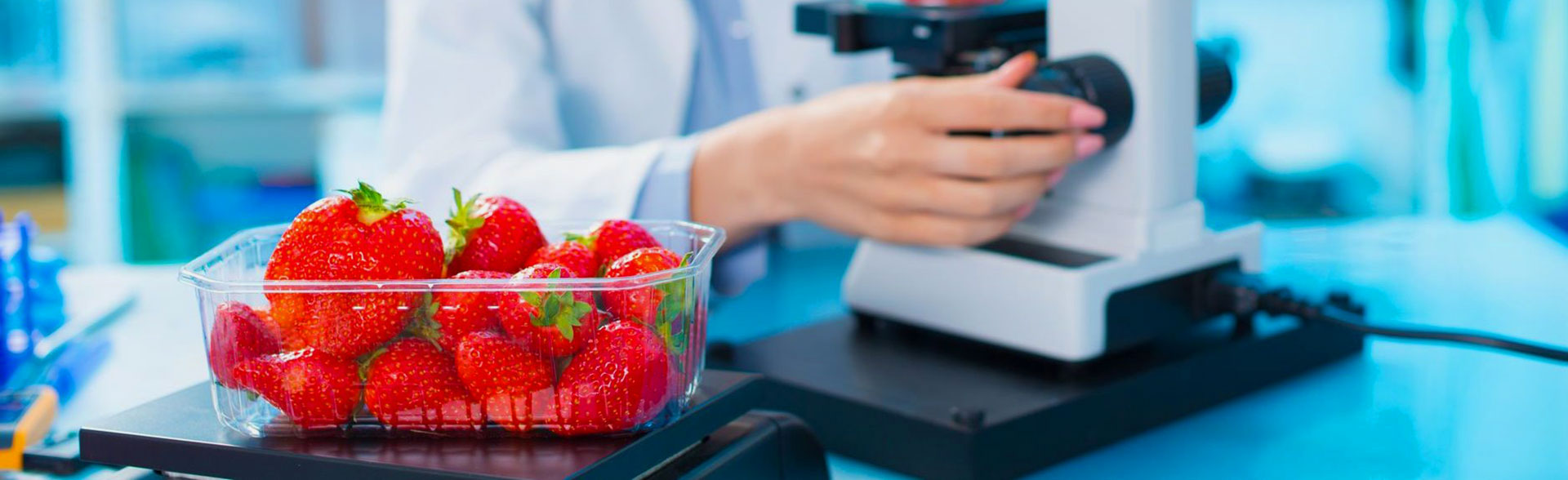
Our organization also provides organic food analysis services with its trained and expert staff and advanced technological equipment, among the numerous test, measurement, analysis and evaluation studies it provides for businesses in various sectors.
To get an appointment, to get more detailed information or to request an evaluation, you can ask us to fill in our form and reach you.

