

They are compounds based on triglycerides consisting of fats and oils, glycerol and fatty acids. Fats are an energy source that provides the most energy per unit weight required for all living organisms to survive.
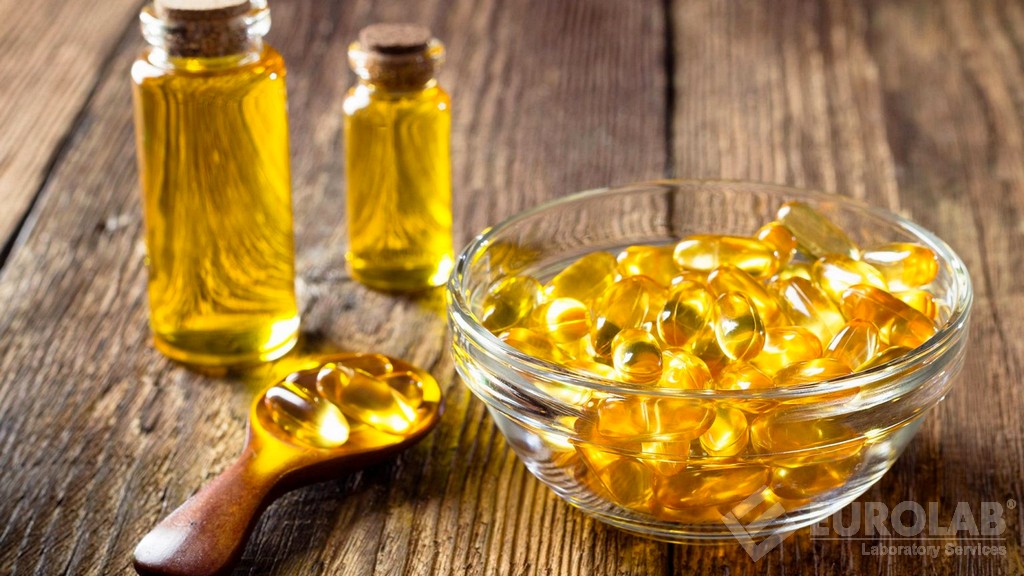
The physical and chemical properties of oils are determined by the ratio and composition of fatty acids they contain. Fatty acids are a straight hydrocarbon chain with a carboxyl group in its structure. Properties that distinguish fatty acids; The number of carbons in the hydrocarbon chain, the presence or absence of double bonds between carbon atoms, the location and number of double bonds found.
Fatty acids are generally divided into saturated and unsaturated fatty acids. Fats that consist of a single double bond and have kaats at room temperature are saturated fatty acids. Fatty acids containing more than one double bond are called unsaturated fatty acids.
Factors affecting oil quality; feeding, technology and processing values are the distribution and position of fatty acids in the oil. The composition of fatty acids is not stable. Usually; Morphological, physiological and genetic factors affect the composition of fatty acids.
Fatty acid compositions of oils in the Turkish Food Codex Communiqué on Oils with the Plant Name (Communiqué No: 2012/29) issued by the Ministry of Food, Agriculture and Livestock and the Turkish Food Codex Communiqué on Olive Oil and Olive Oil Analysis Methods (Communiqué No: 2014/53), The fatty acid composition is given on the basis of the percentage of total fatty acids.
In our laboratories with international accreditation, "Determination of Fatty Acids Composition" and "Methyl Esters, Ethyl Esters Including Erucic Acid, Total of Saturated Fatty Acids, Total of Unsaturated Fatty Acids, Total of Monounsaturated Fatty Acids, Total of Polyunsaturated Fatty Acids, Total of Trans Fatty Acids" It is carried out on vegetable fats and oils.
To get an appointment, to get more detailed information or to request an evaluation, you can ask us to fill in our form and reach you.

