
The “AATCC 16.3 Color Fastness to Light Using Xenon Arc” standard, published by the American Association of Textile Chemists and Color Experts (AATCC), describes general principles and procedures for evaluating how well textile materials retain their colors when exposed to light. This accelerated test simulates the effects of sunlight to predict long-term performance and is therefore indispensable for industries that produce clothing, upholstery, outdoor equipment, and other fabrics prone to fading.
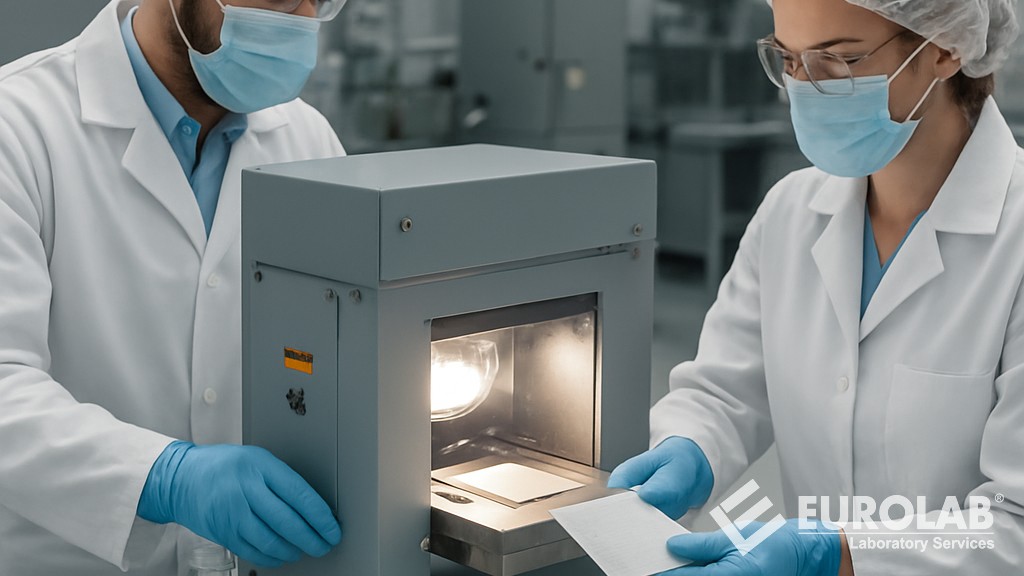
This testing method is one of the most commonly used standards in the textile industry to evaluate how well fabrics, yarns, dyes, finishes, and treatments resist fading or discoloration when exposed to light. The method simulates sunlight exposure using a xenon arc lamp that closely mimics the spectrum of natural daylight (including UV, visible, and infrared radiation).
Color fastness refers to a material's ability to retain its original color under various conditions, including exposure to light. Fading occurs due to the degradation of dyes caused by ultraviolet (UV) radiation, visible light, heat, and humidity. Poor color fastness can lead to unsightly discoloration, reducing the product's lifespan and value. The AATCC 16.3 standard, specifically targeting light-induced fading, helps manufacturers ensure durability for end-use applications such as curtains, automotive interiors, or high-visibility safety clothing.
AATCC 16.3 standard,
The AATCC 16.3 standard includes three main options using xenon arc lamps, each differing in irradiation, temperature, humidity, and light/dark cycles:
Exposure may be continuous or alternating light/dark. The test continues until a specified energy level is reached, measured in AATCC fading units (AFU).
The procedure generally follows these steps:
Typical conditions include radiation levels of 1,10 W/m2 at 420 nm, a room air temperature of 43 degrees Celsius, and a relative humidity of 30-50 percent.
The AATCC 16.3 standard offers various options for different conditions (temperature, humidity, light cycle). The most commonly used is Option 3:
Option 3 is often mentioned in performance guides for upholstery, curtains, and clothing.
The rating and review are as follows:
For example, under specific conditions, 40 hours of exposure to intense sunlight simulates approximately one year's worth of exposure. The results classify materials (e.g., Grade 4-5 for outdoor use).
Many industry guidelines require a minimum rating after a certain exposure time:
The described test method is very important for the following:
The benefits of this standard include risk reduction, improved R&D, and enhanced market competitiveness.
For many years, our organization, with its competent and experienced staff, has been understanding the needs of its clients, providing the advanced testing services they require, and assisting in the establishment, implementation, and improvement of management systems. Within this framework, we also provide testing services to businesses in accordance with the "AATCC 16.3 Color fastness to light using xenon arc" standard.
To get an appointment, to get more detailed information or to request an evaluation, you can ask us to fill in our form and reach you.

