
The “AATCC™ 107 Water Fastness Color Test Method” standard, published by the American Association of Textile Chemists and Color Experts (AATCC), describes a test method designed to measure the water resistance of dyed, printed, or otherwise colored textile yarns and fabrics. This test method uses distilled or ionized water because the composition of natural (tap) water is variable.
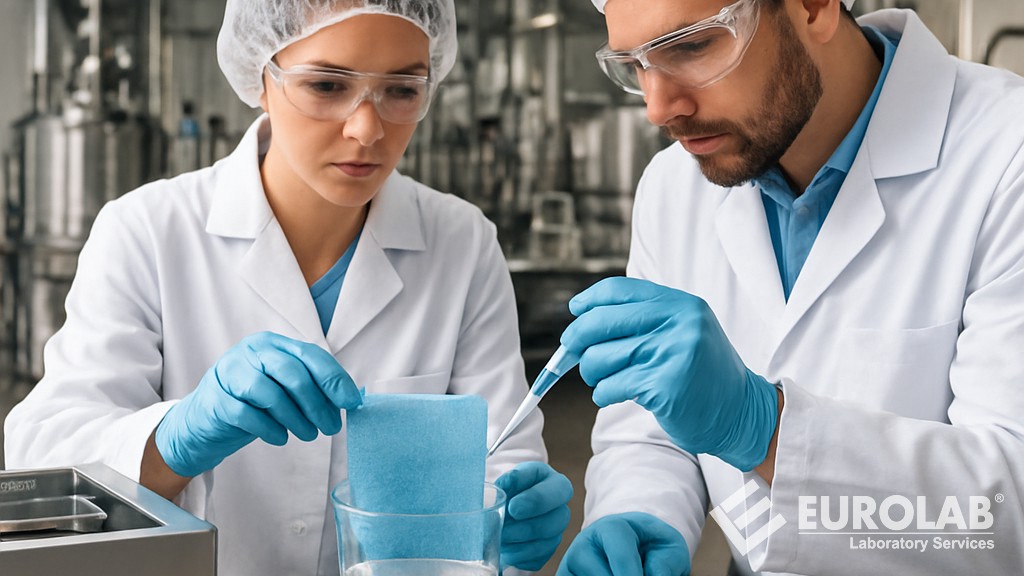
In principle, the sample, supported by a multi-fiber test fabric, is immersed in water under specified temperature and time conditions, and then placed between glass or plastic plates under specified pressure, temperature, and time conditions. Changes in the sample's color and staining of the bonded multi-fiber test fabric are observed.
The test method described in the AATCC TM 107 standard evaluates how well dyed, printed, or otherwise colored textile yarns and fabrics resist color change or transfer when exposed to water.
Colorfastness to water refers to a textile's ability to retain its color under various conditions without fading or transferring color to adjacent materials. Exposure to water is common in everyday use through rain, washing, perspiration, or accidental spills. Poor colorfastness to water can lead to:
This testing method is crucial for clothing items such as swimwear, sportswear, raincoats, and everyday wear, as well as home textiles. By simulating real-world scenarios like water stains, submersion, or wet storage, it helps manufacturers ensure product quality and customer satisfaction.
This testing method uses controlled conditions to simulate water exposure:
High scores (close to 5) indicate excellent water fastness. Lower scores indicate that dyes may bleed or fade when the fabric gets wet, which can be problematic in terms of customer satisfaction or product durability. Higher scores also indicate better color fastness.
Quality laboratories often combine visual grayscale assessment with instrumental measurement (such as spectrophotometry) for higher accuracy.
Test equipment typically overlaps with other standards such as AATCC TM 15 (sweat) or AATCC TM 106 (seawater).
The AATCC™ 107 standard is widely used in quality control of textile products. This standard complements the following color fastness tests:
Many countries have adopted AATCC methods and consider them as national standards.
In the textile industry, passing this test increases reliability for end users by ensuring fabrics retain their vibrancy and prevent cross-staining.
The equivalent of this standard is “ISO 105-E01 Textiles - Color fastness tests - Part E01: Color fastness to water” published by the International Organization for Standardization (ISO). The AATCC TM 104 standard is technically the same in scope as the ISO 105-E01 standard, but the procedures may differ in detail. This international standard specifies the method for determining the color resistance of textiles of all types and forms to immersion in water and ensures consistency in global textile testing.
In short, the main purpose of the AATCC TM 107 standard is to measure a fabric's resistance to color change or dye transfer when exposed to water under controlled laboratory conditions. It applies to:
Because the composition of ordinary tap water can change and affect the results, it is recommended that the tests be performed with distilled or ionized water.
Water resistance is an important quality attribute for textiles that will encounter moisture in real-world use, such as:
If dyes bleed or fade when wet, garments can quickly appear worn and may even stain other textiles they come into contact with. The AATCC™ 107 standard helps manufacturers and laboratories ensure that fabrics meet performance expectations.
In conclusion, the AATCC TM 107 standard is a fundamental textile testing method that provides a standardized approach to evaluating how resistant colored textiles are to water exposure. By simulating real-world wet conditions in a controlled laboratory environment, it ensures that fabrics do not undesirably bleed color or fade, a crucial characteristic for quality apparel, home textiles, and performance fabrics. Furthermore, the alignment of this standard with global standards supports international trade and product development in the textile industry.
For many years, our organization, with its competent and experienced staff, has been understanding the needs of its clients, providing the advanced testing services they require, and assisting in the establishment, implementation, and improvement of management systems. Within this framework, we also provide testing services to businesses in accordance with the "AATCC TM 107 Water Color Fastness Test Method" standard.
To get an appointment, to get more detailed information or to request an evaluation, you can ask us to fill in our form and reach you.

