UN 3373 Biological Substance, Category B
Developed by the United Nations (UN), “UN 3373 Biological substance, Category B” is a classification given for the transport of biological substances considered to be infectious substances. This classification is part of international regulations aimed at minimizing risk to carriers, transport personnel, and the environment while safely transporting potentially infectious samples.
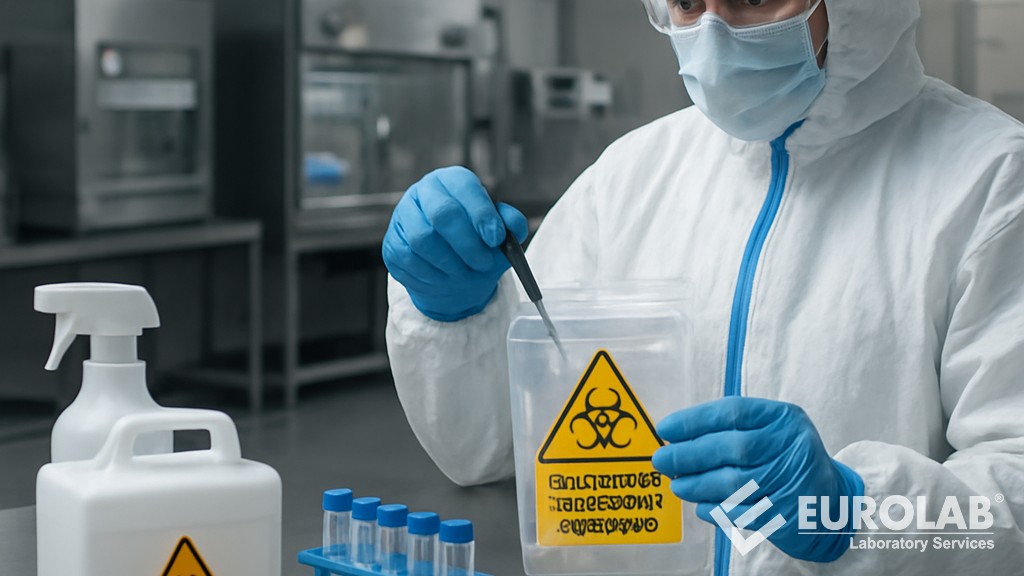
UN 3373 applies to biological agents that are not known to cause life-threatening disease in humans but still require careful handling. Typical examples include:
- Blood samples or other human/animal fluids for diagnostic tests.
- Swabs for laboratory testing
- Bacterial cultures not classified as high-risk pathogens.
This classification differs from UN 2814 and UN 2900, which cover Category A infectious agents that can cause permanent disability or life-threatening illness.
UN 3373, Biological substance, Category B, refers to infectious substances such as human or animal samples (blood, urine, tissue, feces) transported for diagnostic, research or clinical purposes.
Unlike category A, which covers life-threatening pathogens, category B substances are considered lower-risk pathogens that are unlikely to cause permanent disability or fatal illness in healthy humans or animals upon exposure.
The transport of substances UN 3373 must comply with strict triple packing requirements, as defined in the International Air Transport Association (IATA) dangerous goods regulations and the International Civil Aviation Organization technical instructions:
- Primary container: A watertight, leakproof container holding the sample (e.g., a sealed bottle or test tube). For most carriers, typically a maximum of 1 liter of liquid per primary container. For liquids, the primary container or secondary packaging must be able to withstand an internal pressure of 95 kPa without leaking. This ensures the container does not burst due to pressure changes in the aircraft cargo hold.
- Secondary packaging: This is a leak-proof, durable packaging surrounding the primary container. It is another layer that is leak-proof and leak-resistant, containing absorbent material (such as cotton or paper towels) that can absorb all the contents in the event of the primary container breaking.
- Outer packaging: A strong, rigid box or container capable of passing a 1,2-meter drop test. This is a sturdy and durable package with clear labeling. Additionally, a cooling element can be added if temperature control is required, but this should not compromise the integrity of the packaging.
Labeling and documentation requirements are as follows:
- Diamond mark: The packaging must clearly display a diamond-shaped mark with the inscription “UN 3373”. Each edge of the diamond must be at least 50 mm long.
- Proper shipping label: The words “Biological substance, Category B” must be written next to the diamond in letters at least 6 mm high.
- Emergency contact: An emergency telephone number must be indicated on the package or air waybill.
- Exceptions: UN 3373 shipments generally do not require a formal dangerous goods consignor declaration for air transport, but the information must still be included on the air waybill.
The documentation should specify the content, characteristics, and specific usage instructions of the biological material.
UN 3373 is considered important for the following reasons:
- Safety: Ensures that potentially infectious materials are handled in a way that protects transport personnel and the public.
- Legal compliance: Many countries, airlines, and shipping companies require compliance with UN 3373 for laboratory or clinical samples.
- Traceability: Accurate labeling and documentation enable tracking and responsible use throughout the supply chain.
Common applications of UN 3373 include:
- Diagnostic laboratories that send blood or tissue samples to reference laboratories.
- Research facilities that send clinical samples for study.
- Veterinary clinics transporting animal samples for testing.
UN 3373 is considered important for the following reasons:
- Risk-based classification of infectious substances: Infectious substances are classified under Class 6.2 (Dangerous substances) because they may contain pathogens (such as bacteria and viruses) that can pose a risk during transport.
- Category A (UN 2814 or UN 2900): High-risk substances that, when exposed to healthy humans or animals, can cause permanent disability, life-threatening or fatal disease.
- Category B (UN 3373): Low-risk infectious agents that do not meet the criteria for Category A. These are typically routine diagnostic or clinical samples (e.g., blood, urine, swabs, tissue samples) collected for diagnosis, testing, investigation, or monitoring.
This two-tiered system ensures that regulations match the actual risk level. Most everyday medical and laboratory samples fall into category B, therefore they do not require the extremely strict (and costly) rules of category A.
- Preventing leakage and accidental exposure: Although Category B materials have a lower risk of serious illness, they can still cause infection or contamination if they leak. UN 3373, Packaging instruction P650 requires triple packaging:
- Leakproof primary container (sample tube/bottle).
- Secondary sealing layer.
- Absorbent material (for liquids) and a strong outer casing.
This design provides protection against vibration, pressure changes, temperature variations, drops, and rough handling during transport (e.g., by air, road, or sea). Proper packaging minimizes the possibility of exposure to carriers, couriers, customs officers, or the environment.
- Protecting people, animals and the environment: Proper classification and packaging:
- It protects transport workers, laboratory personnel, and the public from potential infections.
- It prevents cross-contamination or release into the environment.
- It ensures that samples arrive intact and usable (important for accurate medical diagnosis or research).
Without these rules, improper transportation can lead to spills, delays, or health incidents.
- Legal and international compliance: The transport of biological materials is strictly regulated by:
- UN Recommendations on the Transport of Dangerous Goods.
- IATA (International Air Transport Association), ICAO (International Civil Aviation Organization), ADR (European Agreement concerning the International Carriage of Dangerous Goods by Road), IMDG (International Maritime Dangerous Goods), and national regulations.
Using the correct UN number (3373), the appropriate shipping name (Biological substance, Category B), and the diamond-shaped UN 3373 marking tells all relevant parties (carriers, airports, customs) exactly how to handle the package. This ensures safe, legal, and efficient global transport. Non-compliance can lead to shipment refusal, fines, or legal problems.
- Balancing safety with practicality: UN 3373 provides a simplified yet effective framework for the vast majority of clinical and diagnostic samples. It avoids over-regulating low-risk items while ensuring safety. Some very low-risk samples may be exempt, but anything with a reasonable probability of containing pathogens generally requires UN 3373.
In conclusion, UN 3373 provides a standardized framework for the safe transport of infectious but low-risk biological materials. By adhering to packaging, labeling, and handling guidelines, laboratories and healthcare providers can reduce risk, comply with international laws, and ensure timely delivery of samples for critical testing.
For many years, our organization, with its competent and experienced staff, has been understanding the needs of its clients, providing the advanced testing services they require, and assisting them in the establishment, implementation, and improvement of management systems. Within this framework, we also provide testing services compliant with UN 3373 standards.