
The “AATCC™ 8 Colorfastness and Friction Resistance Test Method: Friction Tester” standard, published by the American Association of Textile Chemists and Color Experts (AATCC), describes a test method designed to determine the amount of color transferred from one surface of colored textile material to another through friction. This method is applicable to textiles made from all fibers in yarn or fabric form, whether dyed, printed, or otherwise colored. It is not recommended for use with carpets or prints where the areas to be tested may be very small.
This standard describes test procedures using dry and water-moistened white test cloth squares. Since processes such as washing, dry cleaning, shrinking, ironing, and finishing can affect the degree of color transfer from a material, testing may be performed before, after, or both before and after such processes.
In principle, a colored test sample is rubbed onto a white test cloth under controlled conditions. The color transferred to the white test cloth is evaluated by comparing it to the gray scale or chromatic transfer scale for staining, and a score is given.
The test method described in the AATCC TM 8 standard evaluates how well dyed, printed, or otherwise colored textiles (including materials such as fabrics, yarns, and even leather) resist color transfer to other surfaces through friction. This is commonly referred to as abrasion. Poor abrasive resistance can lead to color transfer to skin, clothing, or upholstery during everyday use. Therefore, this test is crucial for quality assurance in the textile industry.
Color fastness to friction occurs when excess dye or pigment on the surface of a textile product rubs against another material. This can happen in dry conditions (e.g., friction from sitting on a colored sofa) or wet conditions (e.g., sweat or rain causing color transfer). The AATCC™ 8 standard simulates these real-world scenarios to measure the degree of color transfer, enabling manufacturers to maintain the aesthetic integrity of their products and meet consumer expectations.
This method is widely used across all fiber types and applies to both yarns and fabrics. It is particularly valuable in the following areas:
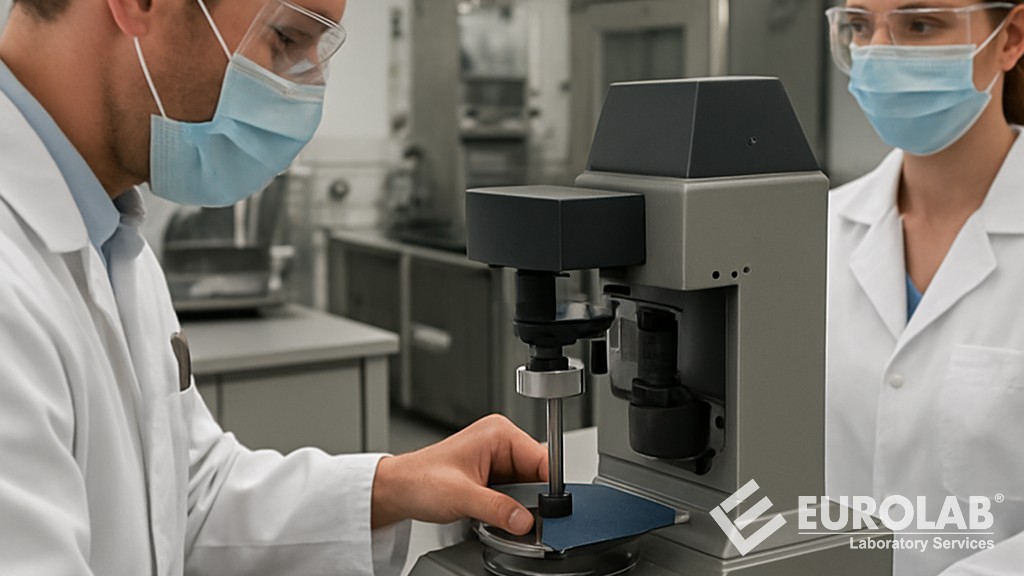
The essence of the AATCC™ 8 standard revolves around a specialized instrument called a friction gauge, which applies controlled friction to the test specimen. The basic equipment used in these tests includes:
This testing method generally includes the following steps:
Ratings range from 1 (poor, high transmission) to 5 (excellent, no transmission), and half-steps for sensitivity are possible.
The test distinguishes between dry and wet friction, as wet conditions generally result in lower performance due to the paint's solubility in water.
The AATCC™ 8 standard plays a critical role in quality control and compliance. Many international standards are based on or compatible with it, including its equivalents in ISO (e.g., “ISO 105-X12 Textiles - Colorfastness Tests - Part X12: Colorfastness to Rubbing”). Brands and suppliers often require passing grades (e.g., 4-5 for dry, 3-4 for wet) to ensure that products such as jeans, upholstery fabrics, or sportswear do not stain during use.
Improvements in abrasion resistance can be achieved through better paint selection, fixatives, or finishing processes. The reliability of the method makes it a fundamental element in laboratory testing, research, and qualification programs.
This testing method highlights the textile industry's commitment to high-quality, long-lasting products that are resistant to real-world wear and tear.
In short, the objectives of the AATCC TM 8 standard are as follows:
This standard applies to textiles made from all types of fibers, whether in yarn or fabric form, whether dyed, printed, or otherwise colored. However, this method is not recommended for certain carpets or very small printed areas where a standard testing setup is impractical.
In conclusion, the AATCC™ 8 standard test method is a globally recognized textile testing method that measures the amount of color transfer from textile products under friction in both dry and wet conditions. It plays a crucial role in quality control, product development, and supplier compliance in the textile and apparel industry.
For many years, our organization, with its competent and experienced staff, has been understanding the needs of its clients, providing the advanced testing services they require, and assisting in the establishment, implementation, and improvement of management systems. Within this framework, we also provide testing services to businesses in accordance with the "AATCC TM 8 Color fastness and abrasion resistance test method: friction meter" standard.
To get an appointment, to get more detailed information or to request an evaluation, you can ask us to fill in our form and reach you.

