

The American Society for Testing and Materials (ASTM) standard, "ASTM E1052 Standard Practice for Evaluating the Effectiveness of Microbicides Against Viruses in Suspension," describes a procedure for determining the virucidal activity of test substances containing viruses in suspension. It is the researcher's responsibility to determine whether good laboratory practice (GLP) regulations are required and, where appropriate, to comply with them (40 CFR Part 160 applies to EPA applications and 21 CFR Part 58 applies to FDA applications). Researchers should determine the applicability of these regulations based on the intended use of the product. Users are also encouraged to consult regulatory agencies for performance standards for virucidal activity and to follow laboratory safety recommendations to reduce risks associated with working with viruses.
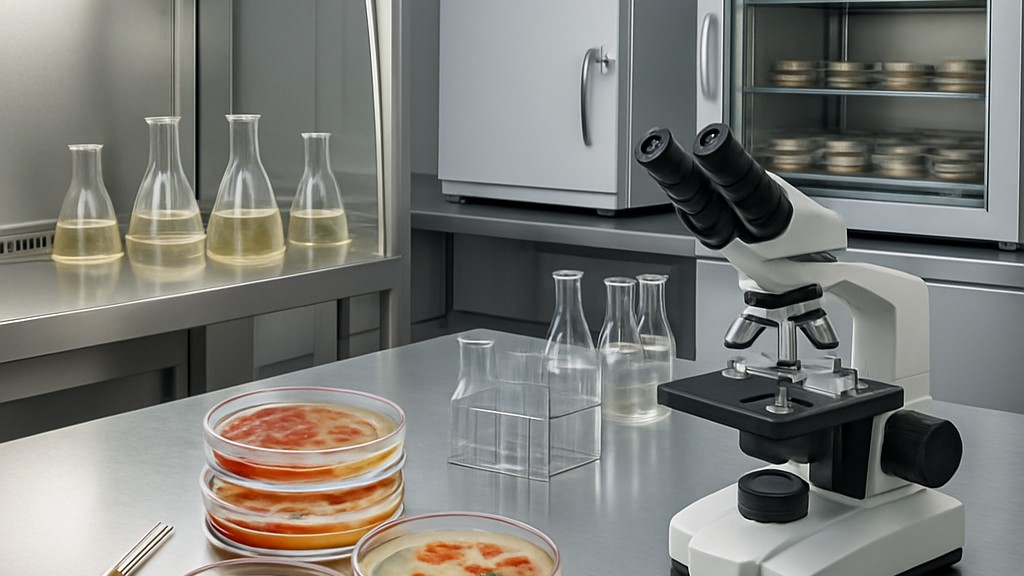
This application is used to determine whether a test substance can inactivate viruses in suspension. Regulatory agencies may require additional testing using in vitro (ASTM Standard E1053 and ASTM Test Method E2197) or in vivo (ASTM Test Method E1838) surrogate tests for product registration purposes.
ASTM E1052 standard includes a laboratory test method designed to evaluate the virucidal activity of antimicrobial solutions, such as disinfectants and personal care products, against viruses in suspended media. This standard is particularly important for industries involved in product development and regulatory compliance for virucidal products, ensuring that products can effectively inactivate viruses in specific applications, such as contaminated liquid waste or liquid chemical formulations.
The primary purpose of ASTM E1052 is to determine whether a test substance can inactivate viruses in suspension. This standard is applicable to most viruses and uses eukaryotic cell cultures as the host system to assess viral infectivity. This procedure is designed for specific virucidal applications, including the inactivation of viruses in liquid waste and the evaluation of virucidal activity in liquid chemicals, hand soaps, or over-the-counter topical products.
This test is a suspension-based method, meaning the virus and test substance are mixed in a liquid medium. It requires personnel trained in microbiological or virological techniques to perform the test safely and accurately.
The ASTM E1052 test method involves exposing a virus to a test substance (viricide) for a specified contact time reflecting actual product use conditions. After exposure, the mixture is evaluated for viable viruses using appropriate cell culture host systems. The testing includes controls for cell culture viability, cytotoxicity (to ensure the test substance does not harm the host cells), and viral susceptibility. This standard recommends testing the product at at least three concentrations: one in the active range and one in the inactive range to determine efficacy.
This test method may include an interfering agent, such as 5 percent fetal bovine serum, to simulate real-world conditions. Commonly used viruses include adenovirus type 2 or 5, canine parvovirus, feline calicivirus, hepatitis A virus, mouse norovirus, or respiratory syncytial virus. To demonstrate broad-spectrum virucidal activity, the test agent must be effective against at least one non-enveloped virus, which is generally more difficult to inactivate than enveloped viruses.
ASTM E1052 is widely used by advanced laboratories for testing disinfectants, antimicrobial devices, medical devices, personal care products, and dietary supplements. This standard is particularly valuable for screening for virucidal activity before more complex carrier-based tests are performed. However, the standard notes that suspension testing may not fully represent real-world surface disinfection scenarios, and therefore, additional testing may be required for regulatory approval (such as ASTM E1053 for hard surfaces).
A limitation of the described method is the potential dilution effect caused by the standard mixing ratio, which may underestimate the efficacy of ready-to-use products. Furthermore, because the test requires specialized facilities and trained personnel, its accessibility to advanced laboratories is limited.
The ASTM E1052 standard is part of a series of ASTM standards for antimicrobial testing:
These standards complement ASTM E1052 by addressing different test scenarios, such as surface disinfection or in vivo conditions, and may be required for comprehensive product validation.
As a result, ASTM E1052 provides a robust framework for assessing the virucidal activity of suspension microbicides, serving as a critical tool for product development and regulatory compliance. Its focus on controlled laboratory testing ensures reliable results, while its flexibility in virus selection and testing conditions makes it adaptable to a variety of applications. However, users should be aware of its limitations, such as the need for additional testing to meet regulatory requirements and the potential impact of dilution on test results. By adhering to this standard, manufacturers can demonstrate the effectiveness of their products against viruses and contribute to safer and more effective antimicrobial solutions.
Our organization, which has been serving for many years and meticulously following global developments in science and technology, employs a skilled team and extensive infrastructure to conduct testing, measurement, and analysis in a wide range of areas for businesses across all sectors. In this context, we also provide testing services in accordance with ASTM E1052 Standard Practice for Evaluating the Effectiveness of Microbicides Against Viruses in Suspension.
To get an appointment, to get more detailed information or to request an evaluation, you can ask us to fill in our form and reach you.