ASTM D2574 Standard Test Method for Resistance of Container Emulsion Paints to Microorganism Attack
The standard “ASTM D2574 Standard Test Method for Resistance of Emulsion Paints in Containers to Microorganism Attack” developed by the American Society for Testing and Materials (ASTM) describes a test method for determining the relative resistance of emulsion paints to attack by microorganisms in containers.
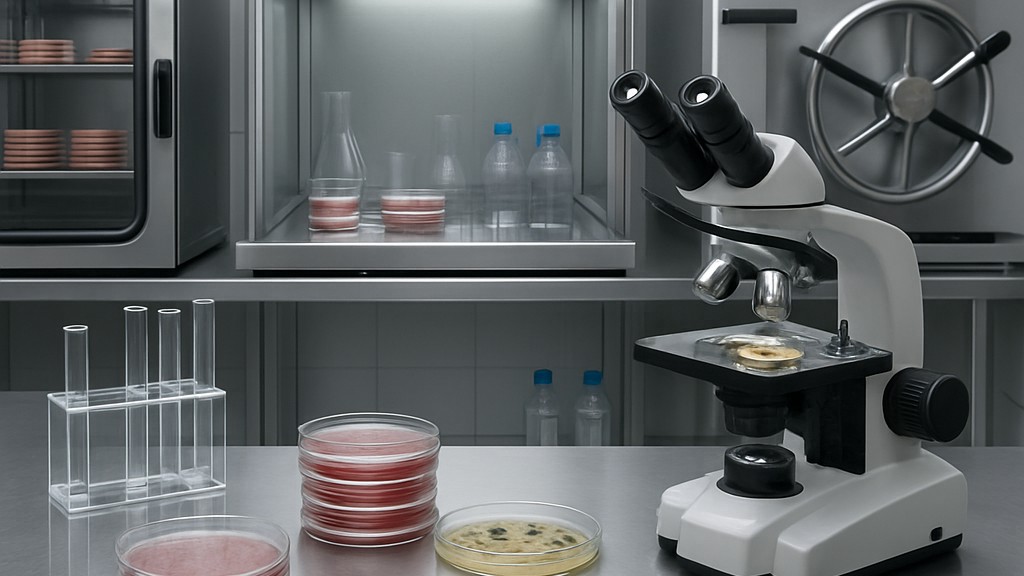
Deterioration of paint in the container can lead to decay, lowering of pH, gas formation, and decreased viscosity. This test method provides a standard procedure for evaluating the resistance of emulsion paints to microbial degradation. The results should meet the following criteria:
- The paint manufacturer's selection of an effective preservative
- Preservatives supplier assessment of the performance of competitive and developmental preservatives in emulsion paints
This test method should preferably be used by individuals with basic microbiology training. The reliability of results obtained from this test method is highly dependent on the techniques used. Improper techniques can cause a sterile sample to appear contaminated, and even worse, a contaminated sample to appear sterile. It is recommended to consult the biocide supplier, raw material supplier, or an independent testing laboratory to confirm questionable results. The quality of formulations and raw materials can also vary and therefore affect test results.
This test method is designed to test samples of one or more dyes containing one or more biocides with known amounts of bacteria and to evaluate the ability of the test dyes to control contamination.
The test method described in this standard evaluates the relative resistance of paints to container-based microbial attack.
Paint samples are prepared for testing, both with and without biocide. They are introduced to microorganisms as follows:
- Pseudomonas aeruginosa (ATCC10145 standard)
- Enterobacter aerogenes (aka Klebsiella aerogenes) (ATCC13048 standard)
- Bacillus subtilis (ATCC27328 standard, optional)
Incubate for up to 7 days. Samples are observed for microbial growth, odor, pH changes, viscosity changes, and container gassing/swelling. If no growth is observed after 7 days, a more rigorous reinoculation cycle is applied to ensure preservative durability. Contamination is graded on a scale (usually 0-4, where 0-1 = acceptable).
The ASTM D2574 standard plays an important role in the coatings industry for the following reasons:
- Prevents microbial degradation: Emulsion paints stored in containers are prone to microbial degradation, which can cause unpleasant odors, low pH, gas accumulation, and changes in viscosity. This standard establishes a consistent evaluation protocol for testing how well paints resist contamination over time.
- Helps optimize preservative formulations: By simulating the worst-case microbial exposure, including repeated inoculations, the standard offers paint manufacturers a quantitative way to evaluate and compare preservatives in their formulations. This ensures only robust preservative systems are selected.
- Ensures product quality and shelf life: Consistency in microbial resistance directly impacts product performance and customer satisfaction. Testing to ASTM D2574 helps reduce the risk of contamination complaints, product recalls, or spoilage during storage.
- Ensures fair comparison for preservative suppliers: Preservative suppliers can use ASTM D2574 to compare effectiveness across different formulations in a controlled and reproducible environment, making marketing claims reliable and evidence-based.
In practice, this standard is very important for the following reasons:
- For paint manufacturers: Maintains long-term stability and usability, even if a paint can is opened after months, it should still look, smell and apply right.
- For suppliers: Provides a recognised, comparative test to safeguard performance.
- For quality assurance: Acts as a safeguard, verified microbiological resistance supports product certifications, compliance and risk reduction.
- For consumers: This means the paint is more likely to perform as expected and is free from unwanted microbial spoilage.
In short, the ASTM D2574 standard ensures shelf-life integrity, supports informed preservative selection, enables objective comparison, and protects both manufacturers and end users against microbial degradation of paint.
The ASTM D2574 standard is widely required in many industries where water-based emulsion paints are formulated, stored, or used. A breakdown of the most common areas of demand is as follows:
- Paint and coating manufacturers: These are the primary users. Emulsion paints in containers must demonstrate antimicrobial stability to ensure safe shelf life and product performance. This is important for both interior and exterior paints, spray coatings, powder coatings, and specialty coatings.
- Preservative and biocide suppliers: Suppliers of antimicrobial additives use the ASTM D2574 standard to measure effectiveness by comparing their products under a standard test to prove performance and support marketing claims.
- Third-party testing laboratories: Contract and compliance laboratories offer ASTM D2574 testing for companies lacking in-house microbiology capabilities. This includes small packaging manufacturers, original equipment manufacturers, and research and development groups.
- Related industries using water-based emulsions: While primarily for paints, this standard is occasionally applied by industries formulating related emulsions (such as adhesives, sealants, or packaging and furniture coatings) to verify microbial stability in container storage (usually in conjunction with the ASTM D4783 or ASTM D4293 standards test methods).
- Research and development teams incorporating new biopreservatives: Biotechnology and research groups testing innovative preservatives such as enzymes or natural biocides often use ASTM D2574 for final validation of performance under practical, real-world conditions.
Our organization, which has been supporting businesses across all sectors for years through a wide range of testing, measurement, analysis, and evaluation activities, boasts a strong team of employees who closely follow global developments in science and technology and are constantly improving themselves. In this context, we also provide testing services in accordance with ASTM D2574, Standard Test Method for Resistance of Emulsion Paints in Containers to Microorganism Attack.