
Staphylococcal enterotoxin is a bacterial antigen that causes food poisoning in humans. Among the staphylococcal enterotoxin detection methods performed in advanced laboratories, the lateral flow device is ideal for rapid testing because it is easy to use and results in a very short time.
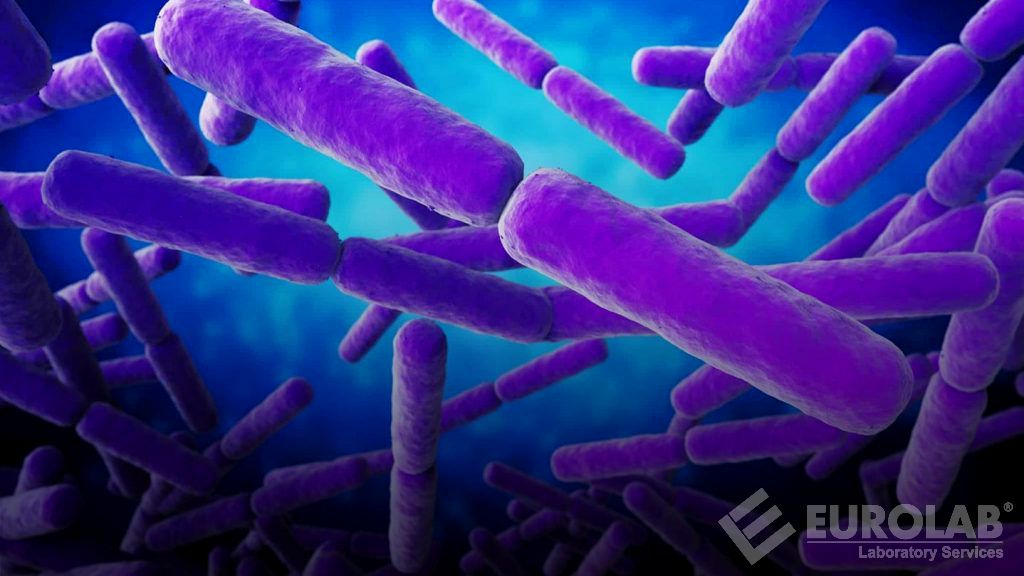
Staphylococcus aureus is one of the most common causes of infection in healthy or immunocompromised individuals. Staphylococcal enterotoxin, with its potency and stability under various environmental conditions, can cause serious poisoning and pose a threat to human life. Therefore, the detection of this toxin in the food industry is extremely important. Staphylococcal food poisoning is usually diagnosed based on clinical symptoms. Staphylococcal enterotoxin can be found in blood, urine, respiratory secretions and other body fluids.
A wide variety of methods are used in the search for staphylococcal enterotoxins, including microbiological methods and tests for toxin production. In these tests, several factors such as pH value, osmotic pressure and substrate usage are important to optimize the incubation time and the production efficiency of toxins.
Conventional methods have acceptable sensitivities but are time consuming. In this regard, more rapid and sensitive diagnostic methods are needed. Other sensitive and specific methods, such as PCR, detect enterotoxin-producing bacteria prior to toxin production.
In our organization, testing, analysis, measurement, and evaluation studies are carried out in compliance with national and international standards and current legal regulations, ensuring reliable and unbiased results. Among the numerous tests conducted within this scope are microbiological tests – including staphylococcal enterotoxin detection services.
To get an appointment, to get more detailed information or to request an evaluation, you can ask us to fill in our form and reach you.