

Clostridium perfringens bacteria are one of the most common causes of foodborne illnesses (food poisoning). It is estimated that these bacteria cause approximately one million illnesses in the United States each year. Clostridium perfringens bacteria are most commonly found in raw meat and poultry, in the intestines of animals, and in the environment.
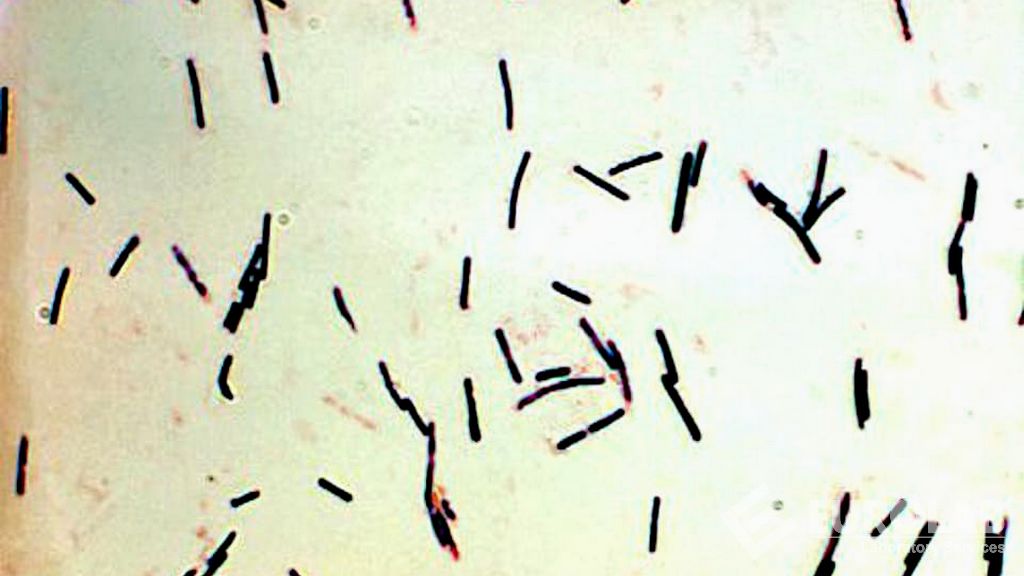
These bacteria form spores that act as protective coatings that help the bacteria survive. Under certain conditions, such as keeping food at an unsafe temperature, the bacteria clostridium perfringens begin to grow and multiply. When these bacteria enter the body, they produce a toxin that causes diarrhea.
The most common sources of Clostridium perfringens bacteria are meat, poultry, broth, and other foods that are cooked in large batches and kept at an unsafe temperature. Outbreaks generally occur in places serving large groups, such as hospitals, prisons, nursing homes, and school cafeterias, and at events where meals are served.
Briefly, clostridium perfringens is a spore-forming, anaerobic organism responsible for food poisoning. Clostridium perfringens is the second or third cause of reported foodborne illness outbreaks, with most outbreaks occurring in mass restaurants. Meats from beef or pork and poultry products, especially those cooked in gravy, are at the highest risk. Food that causes Clostridium perfringens poisoning contains large numbers of enterotoxigenic clostridium perfringens (at least 105 per gram).
Multiplex PCR tests for Clostridium perfringens detect clostridium toxin genes better and more effectively. The PCR technique is an accepted, rapid and sensitive technique for the detection of microbial pathogens, especially in low bacterial counts.
Diagnosis of Clostridium perfringens bacteria can be obtained through clinical and pathological findings, but confirmation is routinely performed using conventional microbiological isolation and characterization methods, including bacterial culture, biochemical analysis, and enzyme-linked immunosorbent assay. Conventional culture procedures are time-consuming and only detect live microorganisms. Therefore, current conventional detection techniques are not applied to detect non-viable bacteria.
Our organization provides clostridium perfringens search services with its trained and expert staff and advanced technological equipment, among the numerous test, measurement, analysis and evaluation studies it provides for businesses in various sectors.
To get an appointment, to get more detailed information or to request an evaluation, you can ask us to fill in our form and reach you.