

Hygiene is of key importance in food production. Microorganisms such as bacteria, viruses, yeasts and molds spoil food and pose a health risk. Regular monitoring is therefore necessary throughout the production process.
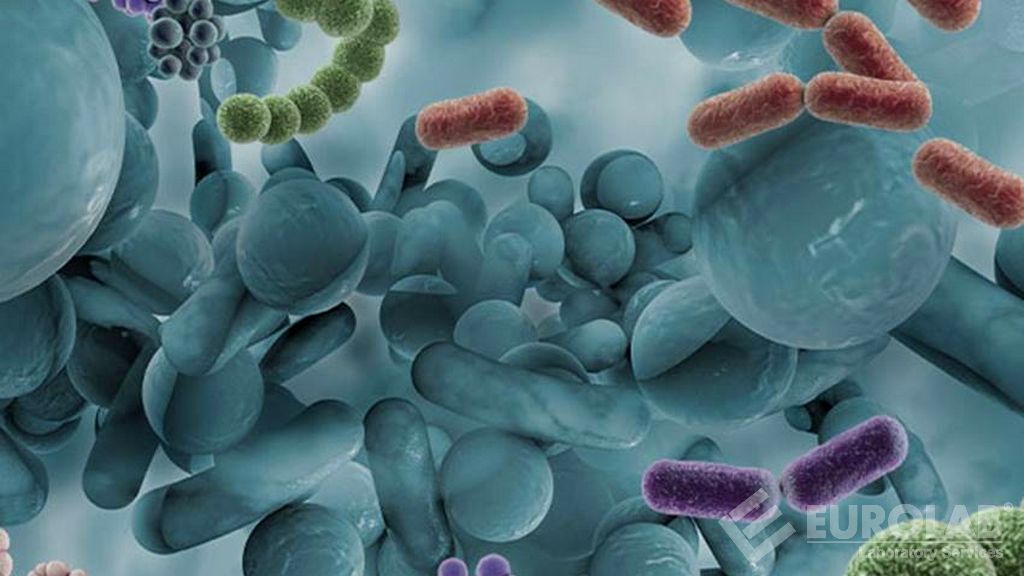
The total number of bacteria is one of the main indicators in the field of hygiene management. This number indicates how many microorganisms are present in a sample. The total number of bacteria must be monitored because the number of microorganisms must not exceed certain limit values. These values, expressed as colony forming units, depend on different types of food.
There are several methods of determining the specific number of bacteria in foods. For example, the method using a counting chamber is applied by counting the number of cells under a microscope. However, this method is prone to errors. Another method is the most probable number method. With this method, the sample is diluted in several steps, filled into tubes with a nutrient solution and incubated at a suitable temperature. The number of tubes with bacteria is an indicator of the microbial count. However, an easier and more accurate method for determining microbial count is the plate method, in which a food sample is placed on a culture medium plate. In this method, after an appropriate incubation period, colonies formed on the culture medium plate are counted.
In our organization, testing, analysis, measurement, and evaluation studies comply with national and international standards and current legal regulations, ensuring reliable and unbiased results. Among the numerous tests conducted within this scope are microbiological tests – specifically, microorganism counting services.
To get an appointment, to get more detailed information or to request an evaluation, you can ask us to fill in our form and reach you.