Escherichia coli (or E. coli for short) bacteria live in the intestines of generally healthy people and animals. Many species are harmless, or at most cause relatively short-term diarrhea. However, some species cause severe stomach cramps, bloody diarrhea, and vomiting. Exposure to Escherichia coli bacteria occurs through contaminated water or food, especially raw vegetables and undercooked meat. Healthy adults usually recover from the infection within a week. Young children and the elderly are at greater risk due to life-threatening kidney failure.
The most common way of contracting Escherichia coli infection is by eating contaminated food. For example, ground beef, unpasteurized milk and fresh products, especially spinach and lettuce are the leading ones.
Human and animal excrement can contaminate streams, rivers, lakes and water used to irrigate crops, ground and surface waters. Public water systems use chlorine, ultraviolet light or ozone to kill these bacteria, but despite this, some outbreaks have been linked to contaminated municipal water supplies.
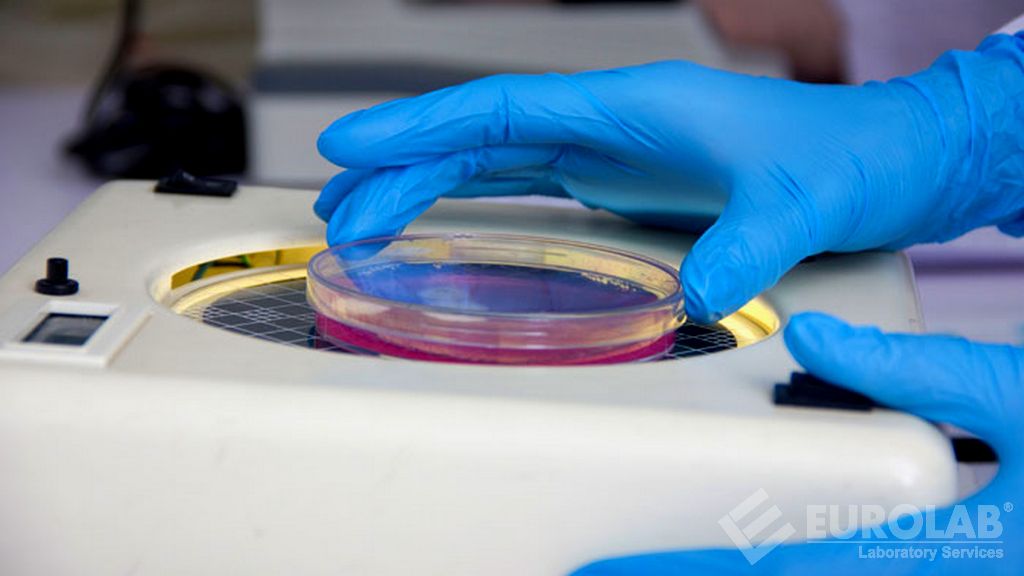
In the test, analysis, measurement and evaluation studies carried out in our organization, national and international standards and applicable legal regulations are complied with and reliable and impartial results are obtained. These studies are based on the latest technological equipment, trained and experienced staff and modern methods. Among the numerous tests performed in this context, there are also microbiological tests - escherchia coli enumeration services.
To get an appointment, to get more detailed information or to request an evaluation, you can ask us to fill in our form and reach you.