

Listeria is a genus of gram-positive bacteria consisting of 20 species that are pathogenic to humans and animals. The bacterium Listeria monocytogenes causes one of the most serious and severe foodborne illnesses called listeriosis.
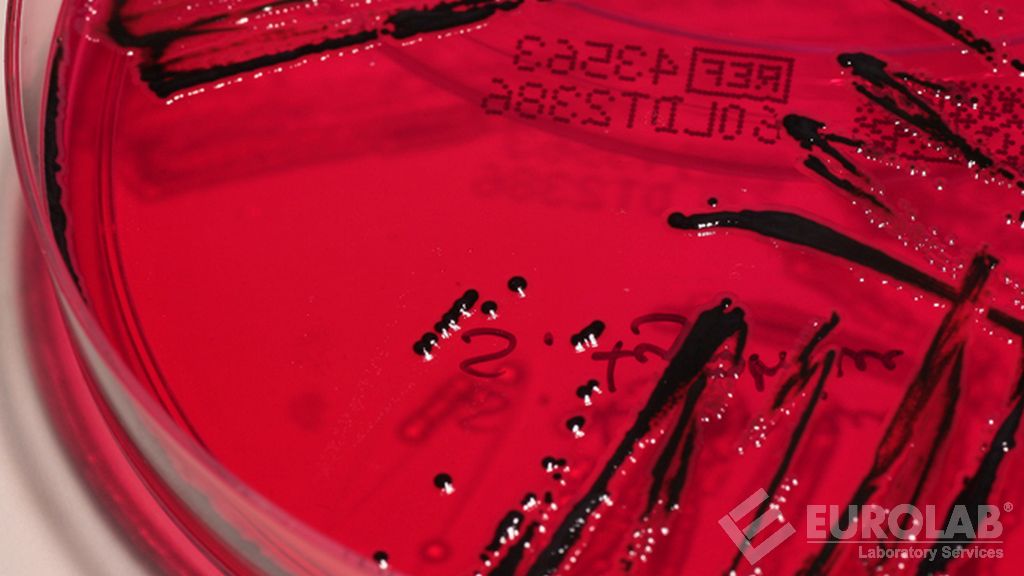
Listeria monocytogenes is widely found in nature. The transmission of listeriosis is usually through the consumption of contaminated food, especially dairy products and ready-to-eat meat and fish products.
Listeria bacterial species are found in soil, water, vegetation, wastewater, a wide variety of foods, and human and animal feces, contaminating food. Listeria monocytogenes is found in unpasteurized milk and ready-to-eat foods, as well as various raw foods. Unlike other common foodborne illnesses, these bacteria can survive and multiply at low temperatures in refrigeration, but are destroyed by proper cooking. Eating food contaminated by Listeria monocytogenes is the main route of infection. In this respect, all businesses in the food chain must implement a food safety management system based on good hygienic practices (GHP), good manufacturing practices (GMP), and risk analysis and critical control points (HACCP) principles.
In the test, analysis, measurement and evaluation studies carried out in our organization, national and international standards and applicable legal regulations are complied with and reliable and impartial results are obtained. These studies are based on the latest technological equipment, trained and experienced staff and modern methods. Among the numerous tests carried out in this context, there are also microbiological tests - searching for listeria spp.
To get an appointment, to get more detailed information or to request an evaluation, you can ask us to fill in our form and reach you.

