

Benzene is a colorless liquid with a sweet odor. It evaporates very quickly into the air and is poorly soluble in water. It is quite flammable. Benzene is found in air, water and soil.
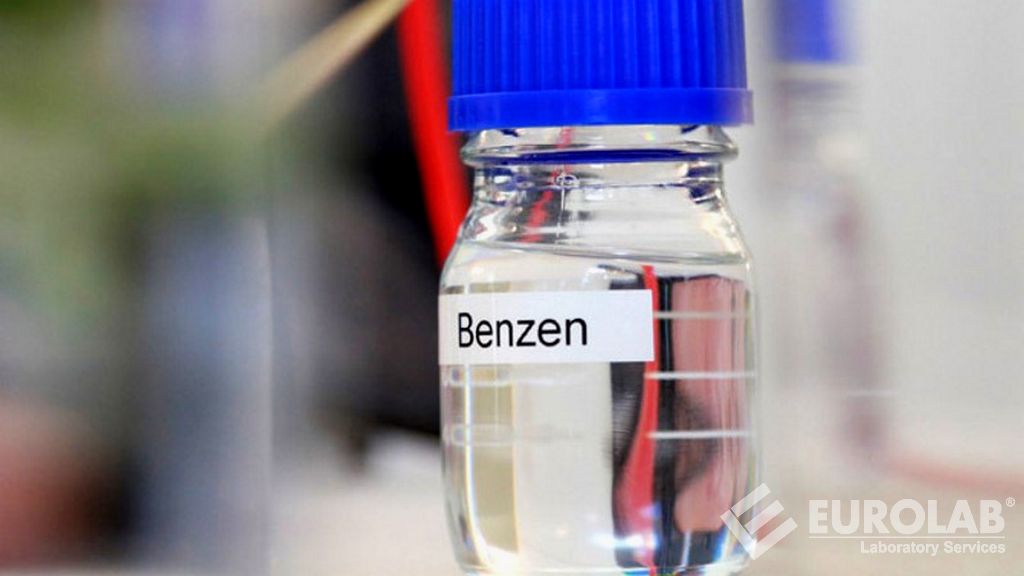
Benzene comes from both industrial and natural sources. In industry, benzene was first discovered and isolated from coal tar in the 1800s. Today it is mostly derived from petroleum. Due to its widespread use, it ranks in the top 20 in the USA in terms of production volume among manufactured chemicals. Various industries use benzene to produce different chemicals. Benzene is also used in the manufacture of some types of rubber, lubricants, dyes, detergents, drugs, and pesticides.
Gaseous emissions from volcanoes and forest fires are among the natural sources of benzene. Benzene is also found in crude oil, gasoline, and cigarette smoke.
Benzene is widely available in the environment due to industrial processes. Airborne benzene levels are increased by emissions from burning coal and oil, benzene waste and landfill operations, motor vehicle exhaust, and evaporation from petrol service stations. Tobacco smoke is a source of airborne benzene, especially indoors. Industrial discharge, disposal of benzene-containing products, and gasoline leaks from underground storage tanks release benzene into water and soil, where it mixes into the air. When benzene is in the air, it reacts with other chemicals and breaks down within a few days. Benzene decomposes more slowly in water and soil. Benzene is poorly soluble in water and can pass from soil to groundwater.
People are exposed to small amounts of benzene every day. This exposure occurs through breathing air containing benzene. Vapors from benzene-containing products such as adhesives, paints, furniture polishes and detergents are also a source of exposure. Auto exhaust and industrial emissions account for approximately 20 percent of total exposure to benzene.
Benzene levels measured in outdoor air range from 0.02 to 34 ppm. People living in cities or industrial areas are generally exposed to higher levels of benzene in the air than those living in rural areas. Benzene levels in homes are also generally higher than outdoor levels.
Our company also provides benzene determination services with its trained and expert staff and advanced technological equipment, among the numerous test, measurement, analysis and evaluation studies it provides for businesses in various sectors.
To get an appointment, to get more detailed information or to request an evaluation, you can ask us to fill in our form and reach you.

