

The standard “EN ISO 9170-1 Terminal units for medical gas pipeline systems - Part 1: Terminal units for use with compressed medical gases and vacuum”, which is based on a European standard and published by the International Organization for Standardization (ISO), is specifically designed to ensure gas-specific installation of terminal units, mechanical resistance, flow, leakage and pressure drop, and to prevent transitions between different gases and services, and is applicable to the following terminal units:
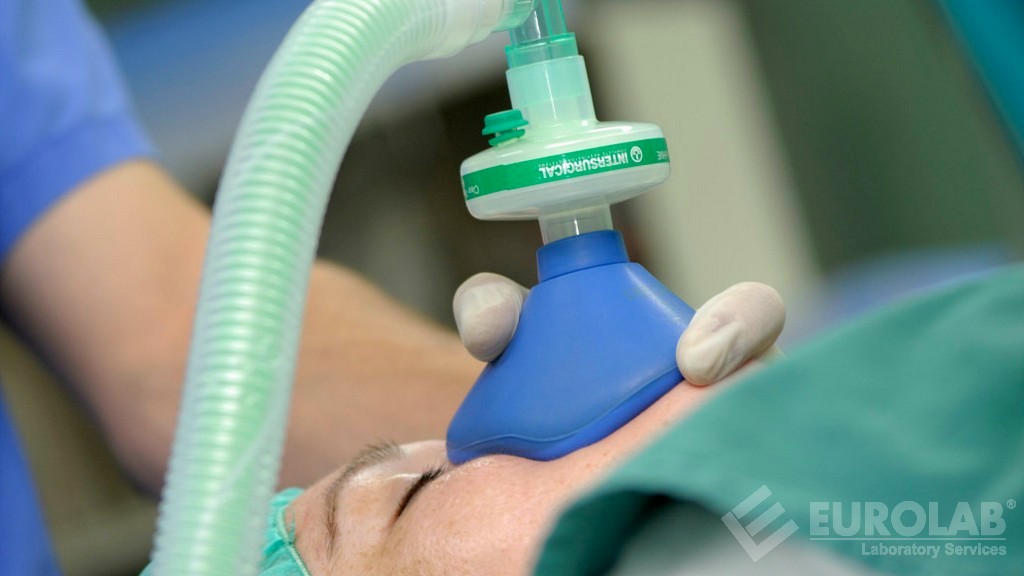
This standard applies to terminal units (A) for use with the following types of gases for administration to patients or for medical purposes:
This standard applies to terminal units for use with the following types of gases (B):
This standard applies to terminal units for use with vacuum systems (C).
The requirements of this standard may be used as a guide for terminal units for other gases. These other gases are considered for inclusion in this standard when they come into general use.
This standard specifies requirements for terminal units for the supply and disposal of nitrogen and air to drive surgical instruments.
This standard specifies requirements for probes intended to be connected to a gas-specific junction.
This standard does not specify the dimensions of probes or gas-specific ports. Regional or national standards specifying the dimensions of probes and gas-specific ports are included in the bibliography.
Other connection systems in national use may be accepted within the scope of this document. Dimensioning for such connections is specified by the relevant national standards. This standard does not cover the requirements for terminal units for anaesthetic gas scavenging systems specified in ISO 9170-2.
For the purposes of this standard, the following definitions apply:
Medical devices also refer to devices that do not achieve their intended effect in or on the human body by pharmacological, immunological or metabolic means, but whose function can be assisted by such means. In European Union countries, these gases are classified as medical devices in accordance with Directive 93/42/EC.
Among the numerous testing, measurement, analysis and evaluation studies that our organization has carried out for businesses in various sectors, with its trained and expert staff and advanced technological equipment, it also provides certification and testing services defined in the standard “EN ISO 9170-1 Terminal units for medical gas pipeline systems - Part 1: Terminal units for use with compressed medical gases and vacuum”.
To get an appointment, to get more detailed information or to request an evaluation, you can ask us to fill in our form and reach you.

