

Thermogravimetric analysis is an analytical method used to determine the thermal stability and volatile component structure of a material by tracking the weight change that occurs when a sample is heated at a constant rate. This analysis method is a kind of thermal analysis technique. Thermogravimetric measurement is usually performed either as a function of temperature rise with constant heating rate or as a function of time, taking into account mass loss and temperature constant.
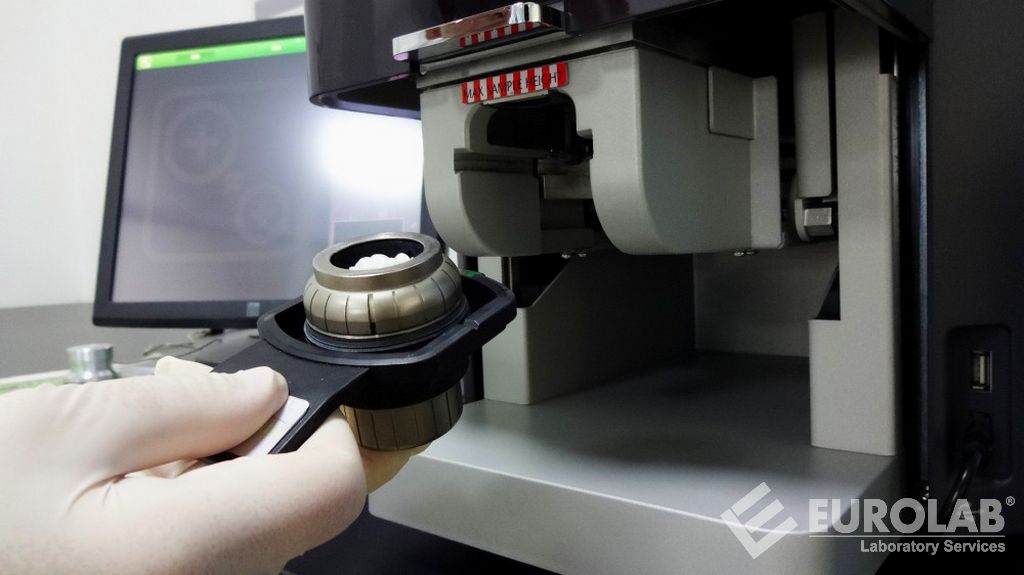
Thermogravimetric analysis is recognized as a powerful technique for the measurement of thermal stability of materials, including polymers. In this method, changes in the weight of a sample are measured as its temperature is increased. The moisture and volatile content of a sample is determined by this analysis. The instrument used in these analyzes basically consists of a highly sensitive balance to measure weight changes and a programmable oven to control the heating rate of the sample. The scale is located above the oven and is thermally insulated from the heat. To maximize the precision, accuracy and precision of weighing, the balance must be isolated from thermal effects.
Three different techniques are commonly used in thermogravimetric analysis:
Data from thermogravimetric analysis is usually displayed with a graph representing mass as a function of temperature for dynamic thermogravimetric analysis.
Our organization also provides TGA thermogravimetric analysis services with its trained and expert staff and advanced technological equipment, among the numerous test, measurement, analysis and evaluation studies it provides for businesses in various sectors.
To get an appointment, to get more detailed information or to request an evaluation, you can ask us to fill in our form and reach you.

