

Carbon black is one of the most important raw materials in a rubber product formulation. Today, it performs carbon black tests for various applications and products in advanced laboratories.
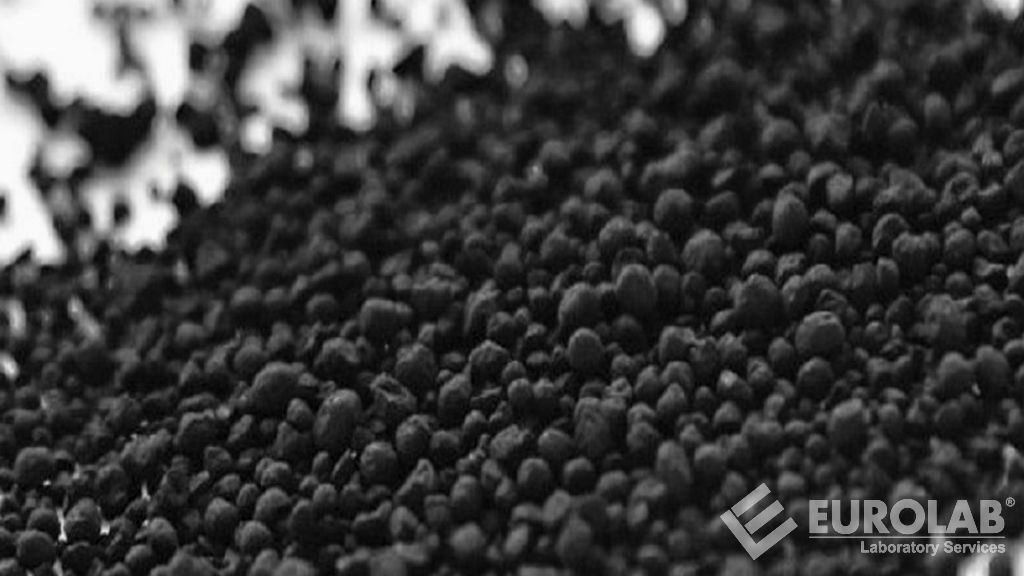
Carbon black is used in many rubber products where tensile and wear properties are considered very important. Adjustments in the type or amount of this paint raw material affect the hardness, tear strength and electrical conductivity of the rubber as well as the pigment properties.
Carbon black testing is generally carried out during formula research and restructuring, or as part of the quality control process. These tests can be performed for two purposes:
Essentially, carbon black dye is a pigment obtained by reacting an oil or gas-like hydrocarbon fuel with a limited amount of combustion air at temperatures between 1320-1540 degrees Celsius. It is a very fluffy fine powder consisting mainly of carbon.
The main standards referenced in carbon black tests are the following standards published by the American Testing and Materials Organization (ASTM):
Two common techniques are generally used to analyze materials containing carbon black in rubber testing:
Our organization also provides carbon black testing services with its trained and expert staff and advanced technological equipment, among the numerous test, measurement, analysis and evaluation studies it provides for businesses in various sectors.
To get an appointment, to get more detailed information or to request an evaluation, you can ask us to fill in our form and reach you.

