

Static electricity is always available and can threaten the safety of your staff and operations. While electrostatic discharges create fire and explosion risks, charged components can make use difficult or stop production. Sometimes companies are unaware that there is static behind these problems.
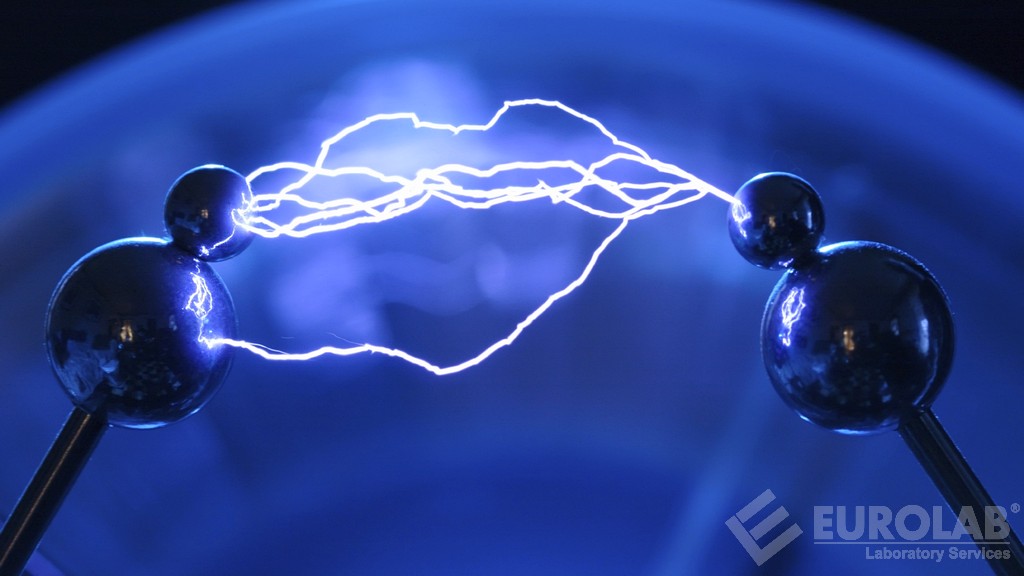
On the other hand, electrostatic forces have many useful applications such as photocopying, inkjet printing, coating and air pollution control. Knowing how static electricity affects your business is the first step to safety and progress.
Our electrostatic laboratory tests focus on hazard identification and reduction, problem solving and application innovation. Electrostatic hazard assessments, on-site measurements and charge elimination / control are part of our focused, disciplined approach to minimizing the hazards of static electricity, in addition to a comprehensive set of laboratory tests. We are also of great interest in electrostatic research in the fields of dust processing problems, environmental applications and biotechnology.
We are passionate about collaborating with our customers on the knowledge we have acquired over many years to improve safety practices and performance in electrostatic issues. As a result, industry and government rely on us for consulting, testing and research in this highly specialized area.
In Electrostatic Tests EUROLAB advantage
Our approach
We ensure self-sufficiency in tackling electrostatic challenges by supporting customers through consulting, research, training, laboratory and on-site testing. We conduct on-site electrostatic hazard assessments, event investigations and measurements.
In our accredited state-of-the-art and humidity-controlled laboratories, we perform a complete range of tests in accordance with the current industry-accepted practices and standards such as ASTM D257, BS5958, NFPA 77 and IEC 61340-4-4.
Our comprehensive range of testing methods includes:
Causes EUROLAB?
Basic information about electrostatic testing
Static electricity is the charge that occurs when any two materials are made and then break contact. Static electricity is generated during many common processes in industry, for example when liquids flow against pipe walls or when dust particles come into contact with surfaces of processing and conveying equipment.
A major concern from static electricity in an industrial environment is the risk of fire and explosion as flammable atmospheres are ignited by electrostatic discharges. Flammable gases, liquids and powders are used in many chemical processing processes and precautions need to be taken to prevent their accidental ignition.
If the energy of the electrostatic discharge is greater than the minimum ignition energy of the flammable atmosphere, there will be a fire or explosion hazard and measures should be taken to avoid situations where this discharge may occur. If it is not practical to exclude or eliminate sources of electrostatic ignition, other measures such as avoiding flammable environments or explosion protection should be considered.
EUROLAB, with its highly expert team and internationally accredited laboratories, Electrostatic Tests It performs all test, analysis, measurement, evaluation and report generation services completely and reliably.
To get an appointment, to get more detailed information or to request an evaluation, you can ask us to fill in our form and reach you.

