

The "DEF STAN 58-96 Pure gases for weapon systems and detector cooling applications" standard, developed by the United States Department of Defense, describes the requirements for nitrogen in gaseous and liquid forms for aviation and weapon systems, pure gases for detector cooling applications, and nitrogen produced by the military for off-site operations.
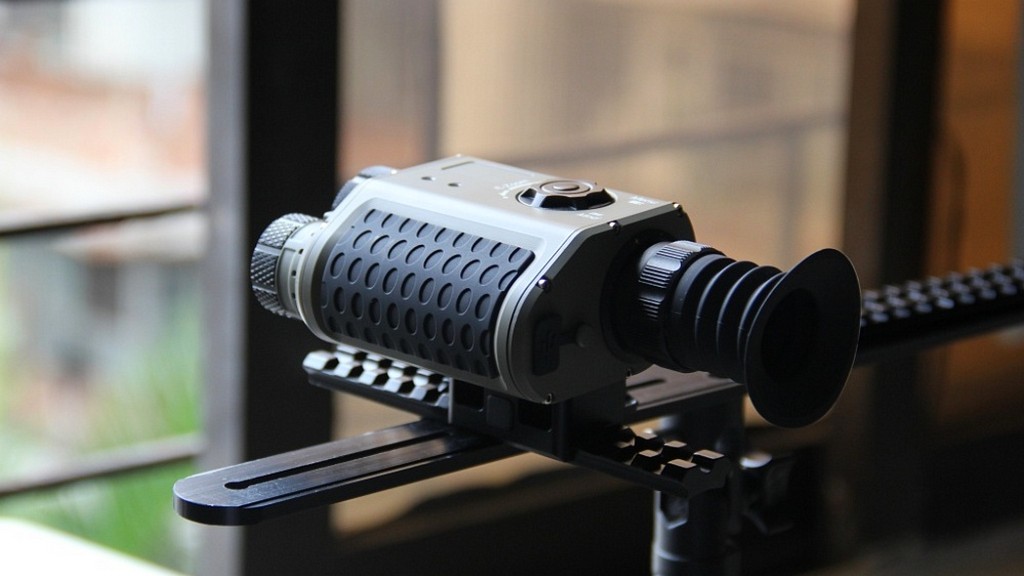
The purge test equipment used in these tests is designed to determine the purity of gases such as argon, air or nitrogen. These units have optional gas connection ports that can be customized and used according to customer needs. The internal architecture of the unit can be configured according to the pressure of the gas being tested. This equipment aids in decision-making processes by allowing rapid determination of whether the gas meets the requirements of the DEF-STAN 58-96 standard in the field or in a production environment. At the same time, this device is suitable for use in imaging infrared guidance (IIR) seeker cooling operations. With its versatile design and reliable performance, it is an indispensable tool for ensuring gas purity in critical applications.
For the purposes of this standard, the following definitions apply:
In the context of this standard, gas cylinders are divided into two main types: namely special cylinders designed for official use and rental cylinders, which are owned by a gas supply company. In all cases, these gas cylinders must be marked and identified in accordance with the standard “EN 1089 Transportable gas cylinders - Gas cylinder identification (excluding LPG)”.
After filling, samples shall be taken from the contents of the cylinders and analysed using the standard test methods given in this document and these samples shall comply with the relevant requirements of this standard. Each cylinder shall be provided with an inspection mark in the form of a seal placed over the cylinder connection to demonstrate compliance with these tests. The design of the seal shall be such that pressure build-up is prevented. A certificate of conformity or analytical test certificate shall be provided with the cylinders when specified in the contract.
A certain number of cylinders from each production batch (the number depends on the agreement between the buyer and the supplier) are tested for their contents in accordance with this standard.
All cylinders containing a specified gas mixture shall be rolled for at least 20 minutes or laid in a horizontal position for a sufficient period of time to allow adequate mixing of the gases before testing in accordance with this standard.
Cylinders are charged to the working pressure stamped on them.
Cylinders should normally be returned to the supplier to be filled and contain a residual pressure greater than 0,3 MPa but not more than 1,0 MPa.
Among the numerous testing, measurement, analysis and evaluation studies that our organization has carried out for businesses in various sectors, it also provides testing services defined in the "DEF STAN 58-96 Pure gases for weapon systems and detector cooling applications" standard with its trained and expert staff and advanced technological equipment.
To get an appointment, to get more detailed information or to request an evaluation, you can ask us to fill in our form and reach you.

