

Chemical resistance (resistance to chemicals) is the ability of a material to protect against chemical attack or solvent reaction. It is the opposite of chemical reactivity. It determines the resistance of a material to corrosive environments.
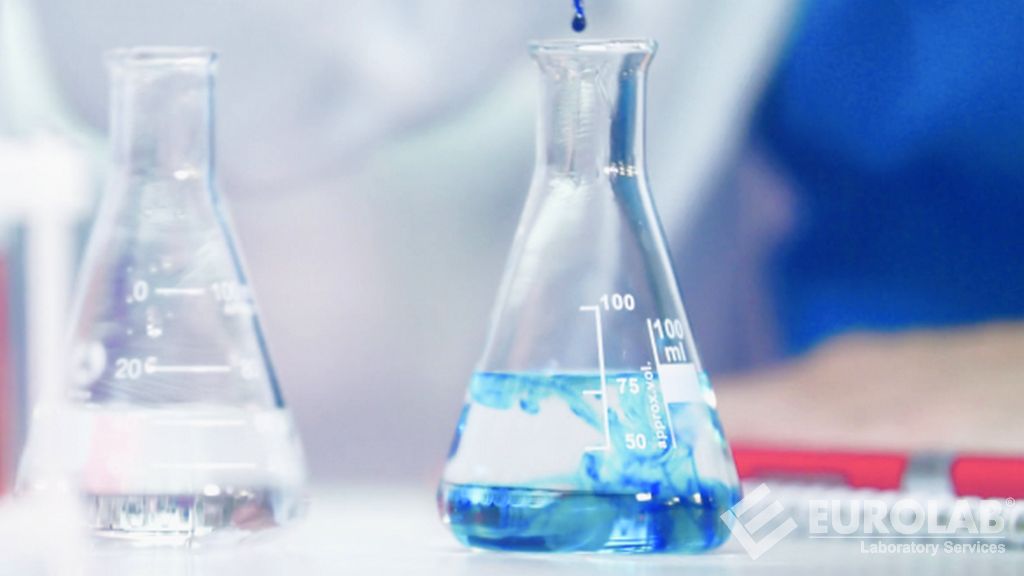
Chemical resistance normally describes the extent to which a material can maintain its resistance to chemicals. Thermoplastics are suitable for use in many industrial process applications due to their high resistance to many chemicals.
A material with high chemical resistance is less likely to corrode. Materials with high chemical resistance are generally considered corrosion resistant materials due to their inertness to chemical attack. A material with low chemical resistance will often cause the material to swell or soften, thus losing its usability.
Important factors when testing a material for chemical resistance can be listed as follows:
In chemical resistance testing, alumina and silicon carbide have higher levels of resistance to chemicals, while stainless steel, zirconia and silicon have lower levels of resistance to chemicals. While stainless steel is soluble in hydrochloric acid, zirconia and silicon nitride are soluble in hydrofluoric acid, thus exhibiting higher levels of solubility and lower levels of chemical resistance.
Chemically resistant products are required in a variety of applications and environmental conditions. The use of products with high chemical resistance in adverse environments is beneficial in increasing the efficiency and productivity of industries while reducing the need for parts replacement.
For some packaging applications, such as the packaging of chemicals, cleaning agents, reagents and alcohol wipes, chemical resistance is an important factor. Chemicals can affect the strength, flexibility, impact resistance, appearance, dimensions and weight of packaging films. Chemicals for plastics can attack the polymer chain through the oxidation reaction. Chemicals can swell or soften the polymer.
The chemistry of the polymer that makes up the package and the product are the two main factors that affect chemical resistance. But a number of other factors are also important. In general, chemical resistance decreases with increasing temperature, higher chemical concentration, higher pressure, and longer exposure time.
Our organization, among the numerous test, measurement, analysis and evaluation studies it provides for businesses in various sectors, also provides resistance to solvent chemicals with its trained and expert staff and advanced technological equipment.
To get an appointment, to get more detailed information or to request an evaluation, you can ask us to fill in our form and reach you.

