

Organizations that know how to manage or eliminate the dangers of combustible dust and the hazards they cause can effectively prevent the catastrophic effects of dust explosions: loss of life and property, injury, damage, intermittent production, litigation, and negative publicity. Unfortunately, these events occur very frequently, indicating a lack of sensitivity to the subject and perhaps a lack of access to appropriate expertise.
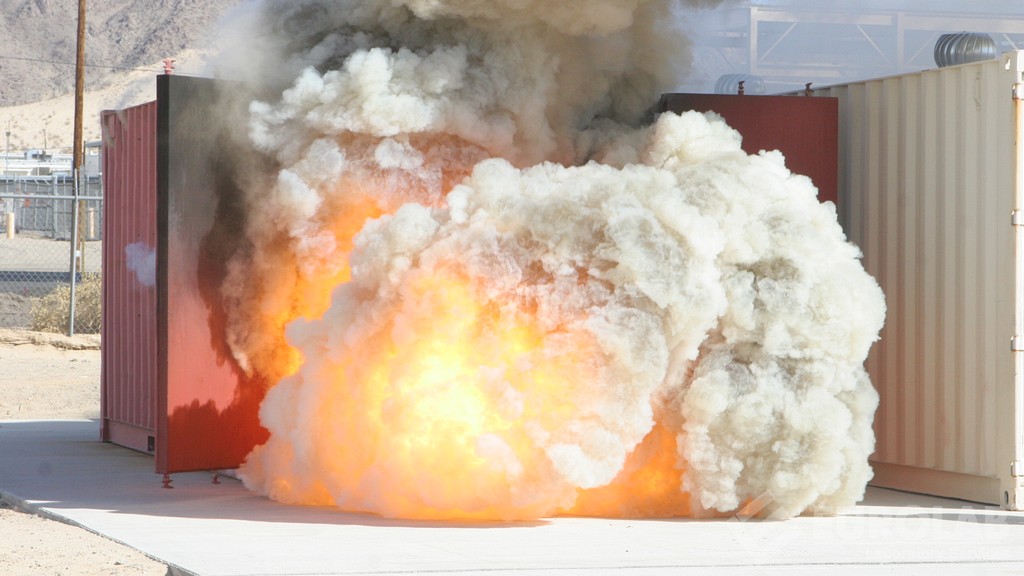
Our engineers have a strong history in combustible dust problems, powered by years of experience. We offer a comprehensive suite of services that help you identify hazardous substances and assess associated risks. Testing in our most advanced laboratories is a start, but it is our strength to interpret data and turn our findings into practical solutions through expert consulting and training. Whether you are advising on the selection and design of explosion protection systems, making risk assessments or offering training, we never ignore the big picture: a safe and secure working environment in a thriving enterprise.
EUROLABAdvantages of Combustible Dust Hazard Tests in
Our portfolio of services for combustible dusts reflects our comprehensive approach to safety, consulting, testing and training. We offer expertise in:
One of our consulting teams can help you choose the tests that best suit your needs and the most cost-effective method. The tests we offer include:
Powder Explosion Screening
Firing Sensitivity
Flammable Limits
Blast Violence
Causes EUROLAB?
What types of materials qualify as flammable dusts?
More than 70% of dusts processed in industry are considered flammable. The processing of powdered sugar, flour, aluminum powder and even safflower can create significant fire and explosion risk, and this substance may be released during a dust layer, a dust cloud or decomposition. Of course, there are other sources of combustible dust, and new materials that require testing are constantly being developed, but it is important to realize that even substances not normally associated with flammability or explosiveness can actually cause catastrophic events. These materials are made more dangerous than the lack of awareness surrounding them.
What causes dust or dust to ignite or explode?
In general, fires require fuel, oxidant, and ignition source, while an explosion requires additional mixing and entrapment. In the process industries, the fuel can be found in the form of a powder or dust-flour, for example when laying with oxidant air. Sources of ignition in this context include a spark, flame or high temperature. The mixing of air and flour to form a dust cloud creates prerequisites for an explosion, together with the confinement and the presence of spark or a hot surface.
What kinds of tests are needed?
We have adopted a methodical approach to dust testing starting with explosive property assessment. This includes a functional group review, small-scale screening tests, and oxygen balance / CHETAH calculations. At this point, the powders are labeled non-explosive or potentially explosive. The second group is subjected to an explosiveness analysis that includes the DSC scan and the UN susceptibility test. Some of the potentially explosive dusts are regrouped as non-explosive.
Highly explosive ones cannot be immediately included in your processes. Other options need to be considered, such as:
Non-explosive labeled materials may still present a significant risk of fire or dust explosion. Therefore, they are subjected to further tests: dust explosion screening, fire analysis and thermal stability screening.
EUROLAB, with its highly expert team and internationally accredited laboratories, Flammable Dust Hazard Tests It performs all test, analysis, measurement, evaluation and report generation services completely and reliably.
To get an appointment, to get more detailed information or to request an evaluation, you can ask us to fill in our form and reach you.

