

Polyethylene terephthalate (PET) is a common thermoplastic polymer resin with a molecular weight typically between 8 and 31 thousand. The compound is used in the production of a variety of commercial and industrial products, including windows, tire cord filaments, and plastic bottles for carbonated drinks. More than 60 percent of polyethylene terephthalate (PET) compound is used worldwide to produce synthetic fibers for clothing and industrial purposes. Bottle production accounts for almost 30 percent of global demand.
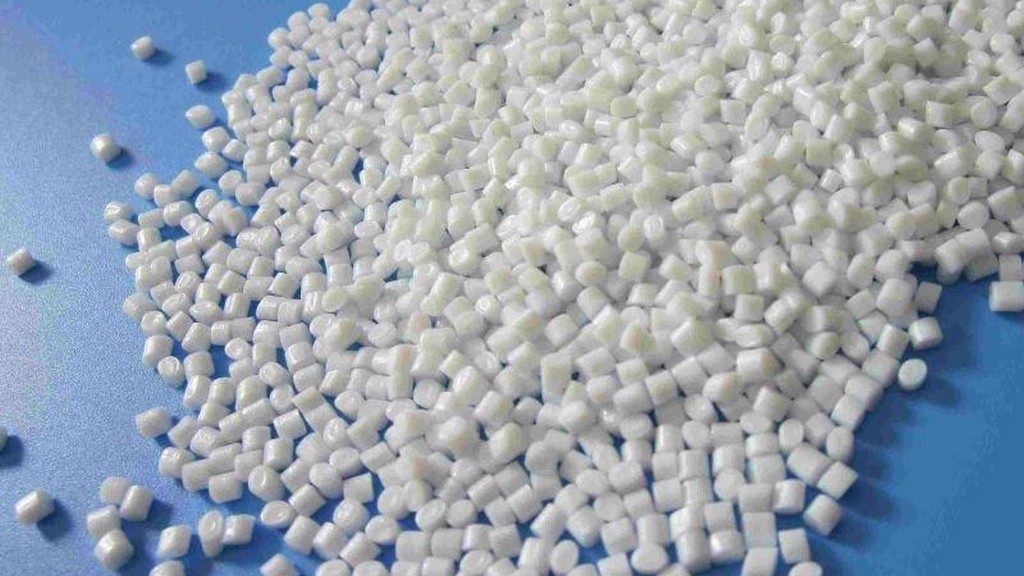
In fact, no two polymers are the same. Polymers exhibit different properties depending on fundamental properties such as their molecular weight. Polymer molecular weight describes the distribution of the molar mass of a polymer chain, which in turn determines the weight of the macromolecule. Given the enormous diversity of polymeric structures at the molecular level, this is a difficult issue to solve. Because it is nearly impossible to achieve consistent molecular weights within polymer species, the distribution of molecular weight values is therefore evaluated through a series of numerical averages.
Polyethylene terephthalate is a semi-crystalline polymer with excellent chemical resistance, melt mobility and spinnability. This polymer contains repeating units of terephthalic acid and ethylene glycol. Each unit of the polymer has a molecular weight of approximately 200 Da.
Polyethylene terephthalate (PET) is one of the most widely used polyesters today. It is mostly used in the packaging, fabric, engineering, electronics and biomedical industries. Molecular weight is the most important property to determine the mechanical properties and manufacturing ability of these materials for different applications. In short, polyethylene terephthalate (PET) is used to produce chemically stable products with high mechanical stiffness. Recently, the recycling of PET has gained interest and requires a robust and reliable analytical method for characterization and quality control.
The typical molecular weight of polyethylene terephthalate compound used in textiles varies depending on the application and desired properties. High molecular weight PET with weight average molecular weights of at least 130.000 is often preferred due to its mechanical strength and fabrication capabilities. Also suitable for textiles, high molecular weight PET has an inherent viscosity, indicating a significant molecular size and chain length. Research also highlights the importance of molecular weight in determining the mechanical properties of PET fibers. High molecular weight materials exhibit improved tensile modulus and strength, which are crucial for textile applications. Furthermore, advances in the use of PET in textiles include the development of high strength polyester fibers and PET clay nanocomposites, highlighting the importance of molecular weight in improving textile performance.
Determination of the intrinsic viscosity of PET is extremely important because this information can be obtained in advance to create safer processing conditions. The intrinsic viscosity of PET samples can be easily determined from melt flow index measurements. On the other hand, determining the molecular weight of PET by size exclusion chromatography is considered too expensive or hazardous due to the high cost and toxicity of the solvents required. Determination of the viscosity of a dilute solution provides information about the molecular properties of certain polymers. When viscosity data are related to other molecular parameters, it is possible to predict certain properties related to molecular structure.
Viscosity depends on the molecular weight distribution. Therefore, with some restrictions, it is possible to obtain satisfactory correlations between the viscosity of dilute solutions and certain molecular parameters such as molecular weight and chain length. The main restriction limiting these correlations is the presence of branched chains in the polymer structure. Since the viscosity of dilute solutions is primarily a measure of molecular size and not of molecular weight, viscosity is only adequately related to molecular weight or chain length if there is a unique relationship between the mass and size of the dissolved polymer molecules. This is true for linear polymers, but not for most branched polymers.
Among the numerous testing, measurement, analysis and evaluation studies that our organization has carried out for businesses in various sectors, it also provides polyethylene terephthalate (PET) average molecular weight analysis services with its trained and expert staff and advanced technological equipment.
To get an appointment, to get more detailed information or to request an evaluation, you can ask us to fill in our form and reach you.

