

The “NFPA 86 Standard for Furnaces and Ovens” standard, developed by the National Fire Protection Association (NFPA), is designed to minimize fire and explosion hazards in furnaces and ovens used in commercial and industrial processing of materials.
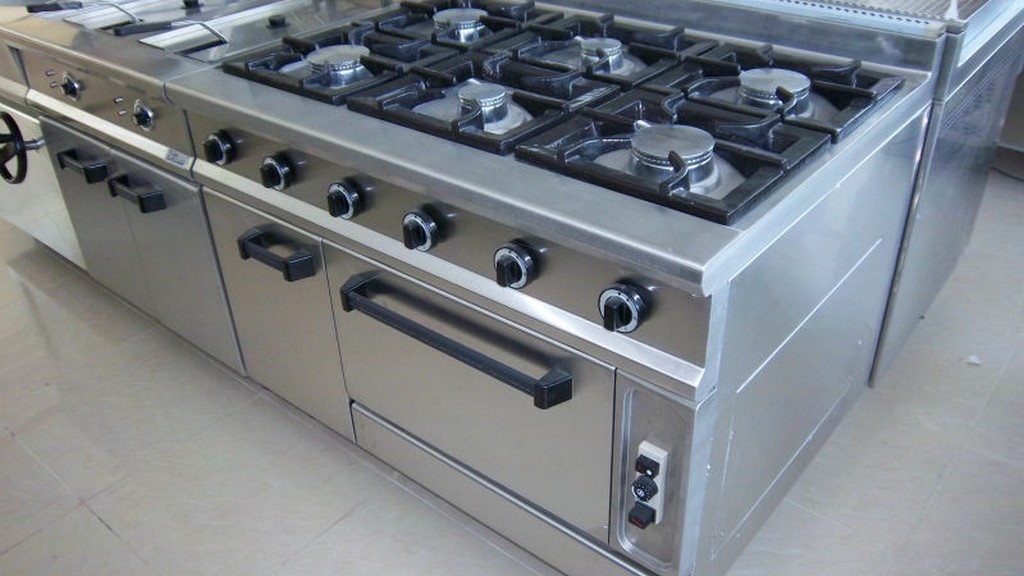
This standard applies to Class A, Class B, Class C and Class D furnaces, dryers and ovens, thermal oxidizers and all other heated enclosures used in the processing of materials and related equipment. The terms ovens, dryers and ovens are used interchangeably and also apply to other heated enclosures used in the processing of materials. In the context of this standard, a Class A, Class B or Class C furnace is any heated enclosure operating at approximately atmospheric pressure and used in the commercial and industrial processing of materials. A Class A furnace is permitted to use a low-oxygen atmosphere.
This standard applies in all respects to bakery ovens and Class A ovens and where reference is made to “ANSI Z50.1 Bakery equipment - Safety requirements”, these requirements apply to bakery oven construction and safety.
This standard applies to atmosphere generators and atmosphere supply systems serving Class C furnaces and furnaces with integral quench tanks or molten salt baths.
This standard applies to Class D furnaces and kilns operating at temperatures above 2760 degrees above ambient temperature and pressures of 1,33 × 10⁻⁶ Pa, which are normally below atmospheric pressure .
This standard does not cover:
This standard provides requirements for furnaces to minimize fire and explosion hazards that could endanger the furnace, the building or personnel.
Before new equipment is installed or existing equipment is reconfigured, complete plans, sequence of operations, and specifications must be submitted to the competent authority for approval. Plans showing all essential details relating to location, structure, ventilation, piping, and electrical safety equipment must be drawn. A list of all combustion, control, and safety equipment, giving the manufacturer and type number, must be attached. Wiring diagrams and sequence of operations for all safety controls must be provided. Plans must include the furnace class (e.g., Class A, B, C, or D). If a furnace is modified or the process load is changed from the original design, the furnace class will be assessed and verified to remain the original class or be reassigned to a new class. Any deviation from this standard requires the approval of the competent authority.
Stoves and related equipment shall be located so as to protect personnel and buildings from fire or explosion hazards. Stoves shall be located so as to protect them from damage caused by external heat, vibration and mechanical hazards. Stoves shall be located so as to maximize natural ventilation, minimize restrictions on adequate explosion ventilation and provide adequate air supply to personnel. If stoves are located in basements or enclosed spaces, adequate ventilation shall be provided to provide the necessary combustion air and to prevent dangerous accumulation of vapours. Stoves designed for use with special atmospheres or fuel gases having a specific gravity greater than air shall be located at or above ground level and shall be located so as to prevent the accumulation of special atmospheres or fuel gases in basements, pits or other areas below the stove.
Among the numerous testing, measurement, analysis and evaluation studies that our organization has carried out for businesses in various sectors, it also provides testing services defined in the "NFPA 86 Standard for Ovens and Stoves" standard with its trained and expert staff and advanced technological equipment.
To get an appointment, to get more detailed information or to request an evaluation, you can ask us to fill in our form and reach you.

