

Microbial contamination testing is generally performed on non-sterile products to check for:
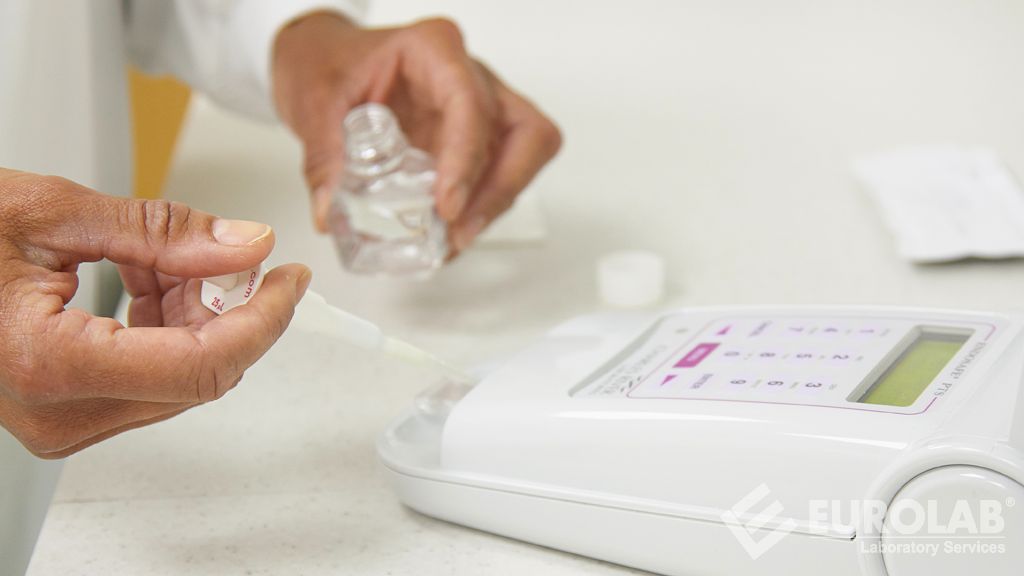
The number of aerobic plates is used as an indicator of bacterial populations in a sample. This run is also referred to as aerobic colony count, standard plate count, mesophilic count, or total plate count.
This test is based on the assumption that each cell will form a visible colony when mixed with agar containing appropriate nutrients. It is not a measure of the entire bacterial population. It is a general test for organisms that grow aerobically at mesophilic temperatures (between 25-40 degrees Celsius), i.e., in oxygen-rich environments. The number of aerobic plates does not distinguish between bacterial species. This test is generally used to measure sanitary quality, organoleptic acceptability, and adherence to good manufacturing practices. It also provides information about shelf life or impending organoleptic changes in a food product.
Aerobic plate counts are not directly related to the presence of pathogens or toxins and are poor safety indicators in most cases. However, excessive or unusually high aerobic plate counts are generally recognized as potential health hazards.
Food contamination has serious consequences for both consumers and food businesses. It harms consumer health and safety. In order to protect the health of customers and the reputation of the business, it is necessary to pay attention to the following four main contaminations in general: chemical, microbial, physical and allergenic. All foods are at risk of these four types of contamination. Therefore, food processors have a legal responsibility to ensure that the food they prepare is free of these contaminants and safe for the consumer.
Food contamination is dangerous. The consequences of consuming food contaminated in this way range from illness to death. Microbiological contamination refers to the unintentional or accidental contamination of infectious material such as bacteria, yeast, molds, fungi, viruses, prions, protozoa or their toxins and byproducts.
Our organization also provides total aerobic microbial contamination testing services with its trained and expert staff and advanced technological equipment, among the numerous test, measurement, analysis and evaluation studies it provides for businesses in various sectors.
To get an appointment, to get more detailed information or to request an evaluation, you can ask us to fill in our form and reach you.

