

It is believed that higher methanol content is found in alcoholic beverages produced by traditional distilleries or some alcohol companies. As a result, there is a risk of higher methanol concentrations in these products. The results of the research show that the methanol levels observed in the analyzed beverages, contrary to general assumptions, do not pose any health threat to the human body when consumed. However, the alcohol health risk associated with high consumption still remains an issue.
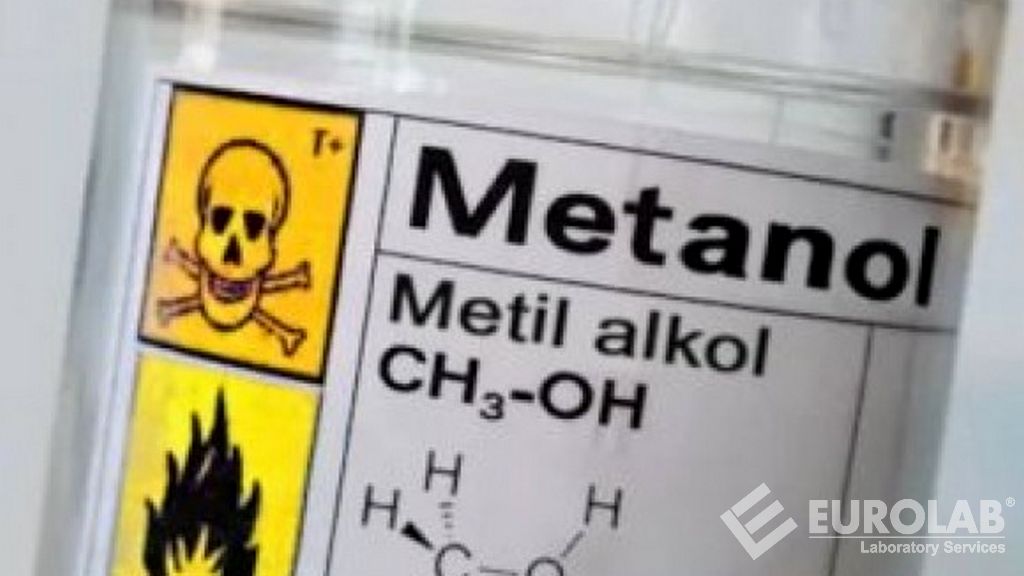
Alcohol is produced locally or industrially in large or small quantities, depending on the resources available in the world. Sources of raw materials for the production of alcohol are fruits, cassava, palm wine, sugarcane and similar plants. The basic method for alcohol production is fermentation or separation and simple distillation. Most traditional alcohol producers do not know enough about the basic chemical compositions of the alcohol they produce and therefore produce spirits with higher methanol content and other potentially health-threatening ingredients. Dangerous chemical compounds such as lead and methanol in alcohol threaten human health.
Ethanol and methanol have similar physicochemical properties and exist as by-products after distillation. According to the World Health Organization (WHO), the harmful use of alcohol causes an estimated 2,5 million deaths each year.
Failure to use proper fermentation and distillation techniques by conventional or conventional distilleries and some commercial operators creates a risk of high methanol content in products. In addition, the presence of methanol and other toxic substances in the beverage causes complications such as blindness, dizziness, respiratory diseases and chronic diseases.
Methanol, or methyl alcohol, is a chemical solvent commonly used in products such as paint, gasoline, and photocopier fluid. Methanol occurs naturally in foods, especially fresh fruits, vegetables, and their juices. Ingestion of as little as 10 ml of methanol can cause permanent blindness, and 30 ml can be fatal. Methanol is converted first to formaldehyde and finally to formic acid, the metabolite responsible for its toxicity. The lethal dose of methanol in humans ranges from 15 to 250 g.
Our organization also provides methanol and methyl alcohol analysis services with its trained and expert staff and advanced technological equipment, among the numerous test, measurement, analysis and evaluation studies it provides for businesses in various sectors.
To get an appointment, to get more detailed information or to request an evaluation, you can ask us to fill in our form and reach you.

