Pool Water Analysis
One of the most important steps in keeping swimming pools clean and clear is balancing the water chemistry. The most common chemicals tested in pool water analyzes are:
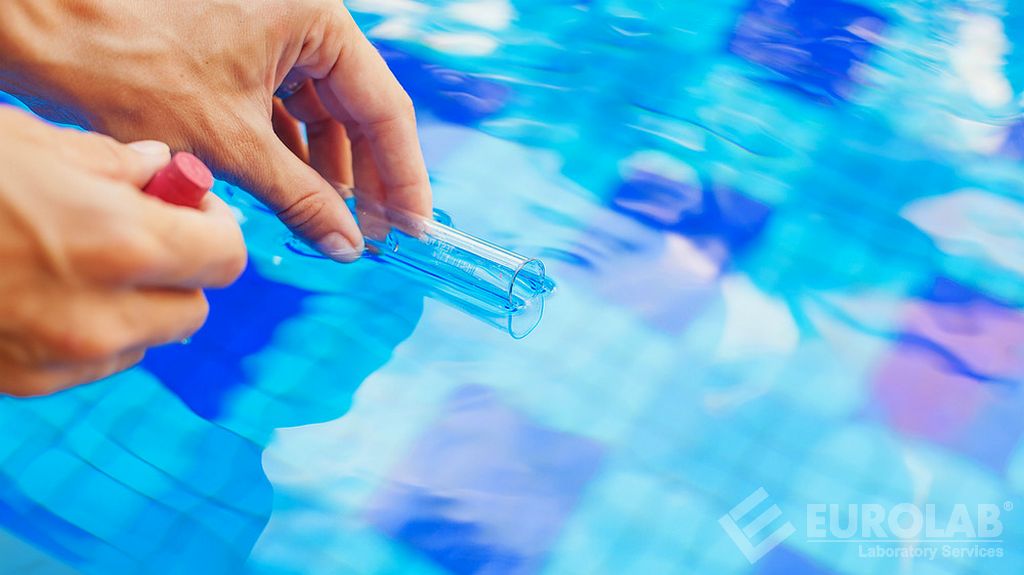
- Free chlorine: It is the measure of the available chlorine in the pool. Even if the appropriate amount of chlorine is added to the water, the available chlorine levels may be lower than the total chlorine levels. In this case, the water becomes cloudy. Also, if the free chlorine level is below the recommended levels, the pool water is not properly sterilized. The recommended free chlorine level is 1-4 ppm.
- Total chlorine: It is the total amount of chlorine in the water. This level should be the same as the free chlorine level. If these two numbers are measured at more than 0,2 parts per million, there may be chloramines in the water. Chloramines make water cloudy. The recommended total chlorine level is 1-4 ppm.
- pH value: This value is an indicator of how acidic or alkaline the water is. The recommended range for swimming pools is 7,2-7,6. Values above 7.0 are alkaline. Incorrect pH levels cause cloudy water and swimmer discomfort and reduce the effectiveness of chlorine levels.
- Calcium hardness: It is the measure of dissolved calcium in the swimming pool. High calcium levels cause scale formation. The recommended level for calcium hardness in swimming pools is 180-500 ppm.
- Total alkalinity: This value is a measure of bi-carbonates, carbonates and hydroxides in the water. The recommended swimming pool range is 80-120 ppm. low total alkalinity, It causes erosion on the surface of the pools.
In the test, analysis, measurement and evaluation studies carried out in our organization, national and international standards and applicable legal regulations are complied with and reliable and impartial results are obtained. Among the numerous tests carried out in this context, there are also pool water analysis services.