
The pH value is a measure of the hydrogen ion concentration of water, graded from 1.0 to 14.0. The lower the pH value of the water, the more acidic the water, the higher the pH value, the more basic or alkaline the water. It affects the pH value of water and many chemical and biological processes. However, most of the aquatic animals prefer the pH range of 6,5-8,0. The pH value outside this range generally strains the physiological system of the organism and reduces reproduction.
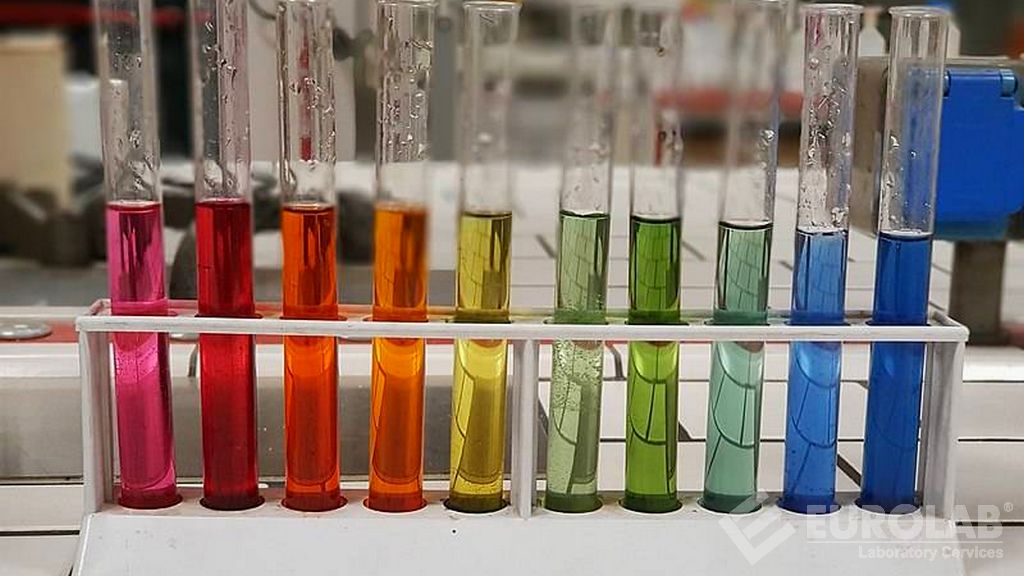
Changes in acidity are caused by acid rain, acid shock from snowmelt, or surrounding rock and wastewater discharges. Technically, if the hydrogen and hydroxide ion charges of water are equal, the pH value is neutral. If the pH value is below 7.0, the water is acidic, meaning there are more hydrogen ions than hydroxide ions in the water. If the pH is above 7.0, the water is alkaline or basic, meaning there are more hydroxide ions than hydrogen ions.
The pH value is a logarithmic value. In other words, 1.0 unit decrease in pH value means 10 times increase in acidity. In other words, water with a pH value of 5.0 is ten times more acidic than water with a pH value of 6.0.
In the test, analysis, measurement and evaluation studies carried out in our organization, national and international standards and applicable legal regulations are complied with and reliable and impartial results are obtained. Among the numerous tests carried out in this context, there are also services for pH value, acidity and alkalinity determination.
To get an appointment, to get more detailed information or to request an evaluation, you can ask us to fill in our form and reach you.

