

Metal analysis in liquids and water is performed to identify and quantify various amounts of metals and heavy metals in a sample . While the presence of some trace metals is necessary in human nutrition, many metals can be toxic and negatively impact human, animal, and plant health, as well as the environment. Metal analysis methods are used to ensure compliance with regulations. In the pharmaceutical, chemical, and petrochemical industries, trace metal analysis is used in quality control studies to identify and quantify metal contaminants in products such as drugs, fertilizers, cosmetics, packaging, medical devices, lubricants, and catalysts. Due to the effects of metals on different chemical reactions, metal analysis methods are also used in chemical formulation research and in improving production processes.
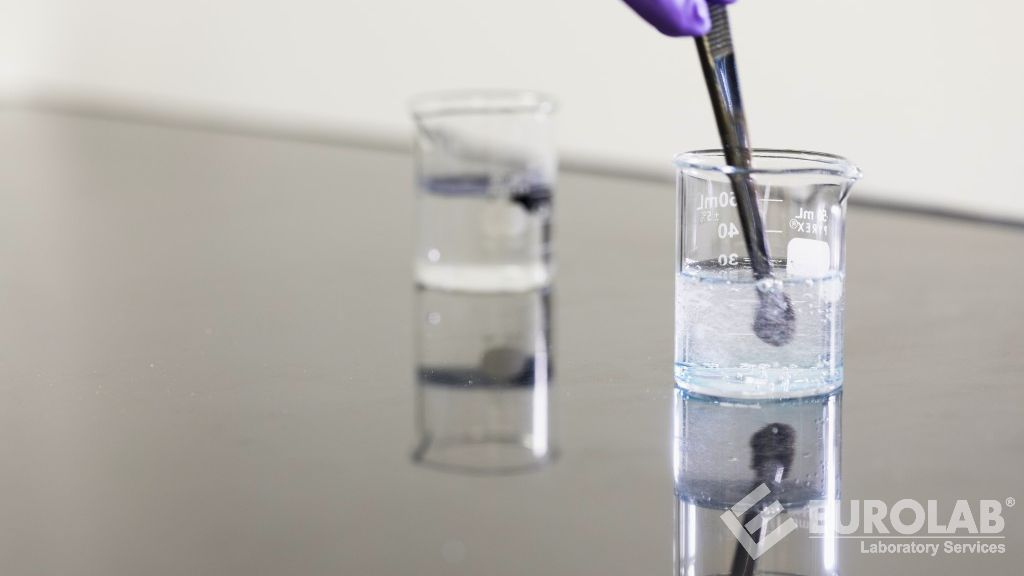
Determining tiny amounts of toxic elemental impurities such as lead, mercury, arsenic, cadmium, copper, nickel, zinc, and the like in liquids and water requires highly sensitive analytical equipment. Metals in a sample are usually measured in parts per million (ppm) depending on the complexity of the sample and the analytical technique used. Common analytical methods used for trace metal analysis include atomic absorption spectroscopy, inductively coupled plasma optical emission spectroscopy, and inductively coupled plasma mass spectrometry.
Analysis of trace metals is a highly sensitive procedure. It is therefore important to carefully and very accurately weigh and dilute samples, reference standards and calibration standards. The gravimetric preparation of solutions and dilutions provides a much higher degree of accuracy.
Metal tests are important in terms of ensuring human and environmental health. Legislation sets limits on the maximum allowable trace metal concentrations in media such as air, water and food. Preparation of reference standards is a critical step in analysis.
For trace metal analysis, standard test methods and practices differ from each other in the pharmaceutical, food and agriculture, environmental, petroleum and chemical industries. Almost all analytical methods require the preparation of a set of calibration reference standard solutions of varying concentrations.
Our organization also provides metal analysis services in liquids and water, with its trained and expert staff and advanced technological equipment, among the numerous test, measurement, analysis and evaluation studies it provides for businesses in various sectors.
To get an appointment, to get more detailed information or to request an evaluation, you can ask us to fill in our form and reach you.

