

Water tests are mainly formulated specifically for various water sources and detect the most common contaminants found in such water. Because the water source can be a well, pool, taps or water source in the city.
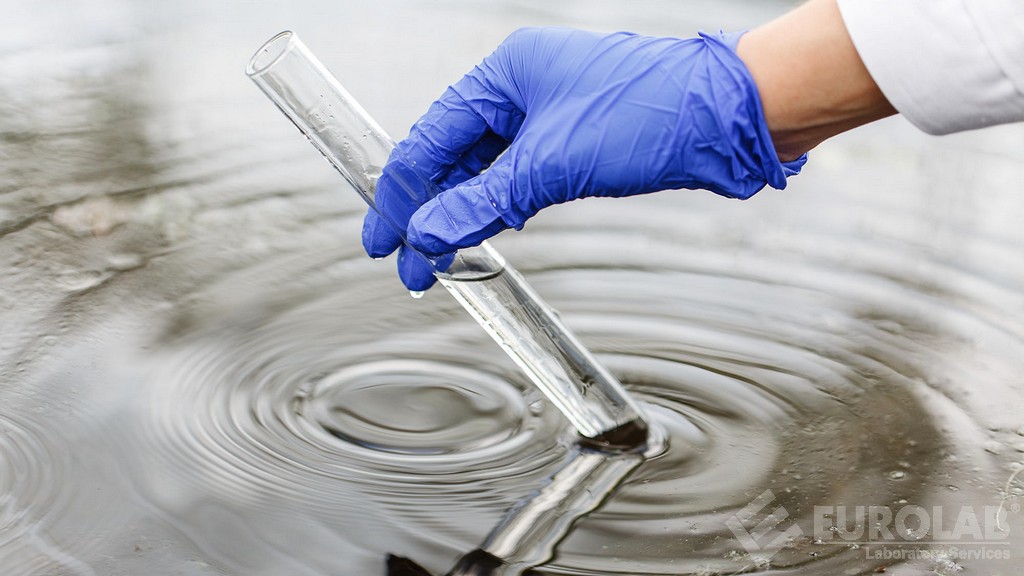
The color, turbidity, smell, taste, total solids and dissolved solids of water are determined by physical tests of water. The color of the water is due to the presence of minerals such as iron and manganese in its content or from plant-derived substances such as algae and weeds. Color tests demonstrate the effectiveness of the water treatment system. The smell and taste of water are associated with the presence of living microscopic organisms. Weeds, decaying organic matter including algae, or industrial wastes containing ammonia, phenols, halogens, hydrocarbons also affect the odor and taste of water.
Chemical tests of water include pH value, hardness, presence of a selected set of chemical parameters, biocides, highly toxic chemicals and biological oxygen demand. The pH value of water is a measure of the hydrogen ion concentration and is an indicator of the acidity or alkalinity of the water. Low pH values aid effective chlorination, but cause problems with corrosion. The pH value of drinking water should be between 6.5-8.5. Biological oxygen demand refers to the amount of oxygen required by microorganisms for stabilization of decomposable organic matter under aerobic conditions. A high value means there is too little oxygen to support life.
In the test, analysis, measurement and evaluation studies carried out in our organization, national and international standards and applicable legal regulations are complied with and reliable and impartial results are obtained. Water testing services are among the numerous tests carried out in this context.
To get an appointment, to get more detailed information or to request an evaluation, you can ask us to fill in our form and reach you.

