

Water pollution comes from many sources and reasons. Rivers and streams show some capacity to recover from the effects of certain pollutants, but lakes, bays, ponds, stagnant rivers and oceans have little resistance to the effects of water pollution.
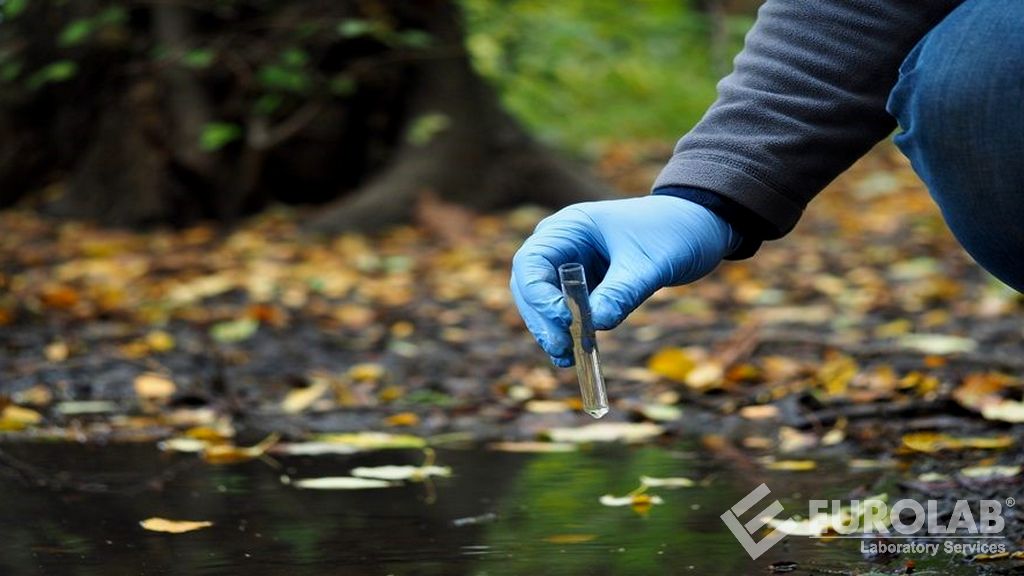
Unfortunately, humans have a long history of introducing pollutants into aquatic environments. However, only partial success has been achieved today in repairing the damage and preventing activities that cause environmental degradation. Source pollution remains a serious threat to receiving waters, as is the continuous release of sewage and industrial wastes around the world. As seen in mercury pollution in fish, environmental pollution has widespread and lasting consequences.
Water pollution is the presence of chemical, physical or biological components or factors that cause a particular water body to deteriorate to some beneficial use. The level of pollution required to degrade a water body largely depends on the type of water body, its location, and the types of beneficial uses it supports. Because water that is not suitable for human drinking may be suitable for other uses such as habitat, irrigation or recreation. Some natural events also cause water pollution, but the most damage is caused by human activities.
In short, water pollution is the direct or indirect effect of animals, birds, wildlife, aquatic life or any species of nature, in order to adversely affect the physical, thermal, chemical, biological, radioactive properties of any part of the environment, any beneficial use through the discharge, emission or storage of wastes. is the alteration of plants in such a way as to cause a situation dangerous to public health, safety or welfare. These losses are associated with declining biodiversity and aesthetic, recreational, cultural and archaeological values. Near-shore waters receive significant amounts of pollutants from sewage, industrial and domestic wastewater, and solid wastes from land-based activities. These solid wastes are either dumped directly into the sea or transported via rivers, lagoons and estuaries.
Our organization also provides water pollution analysis services with its trained and expert staff and advanced technological equipment, among the numerous test, measurement, analysis and evaluation studies it provides for businesses in various sectors.
To get an appointment, to get more detailed information or to request an evaluation, you can ask us to fill in our form and reach you.

