
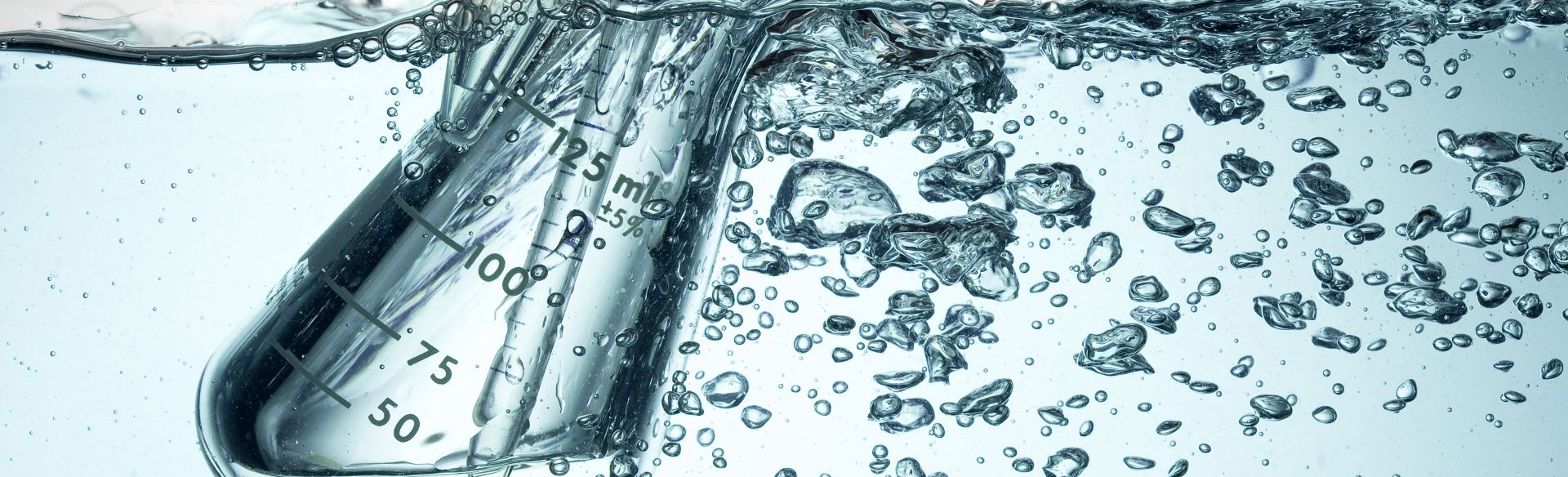
Water is the most abundant substance on earth, yet it is rarely found in its pure form in nature. Most of the time, pure water must be created. Pure water is called distilled water or deionized water. In distilled water, all of the dissolved substances in the water have been removed by evaporation. As the water evaporates, it is distilled or leaves salt behind. The pure evaporated water is collected and condensed to create distilled water.
Water quality can be affected by many factors and is of great importance to ensure safety and health. Especially pollutants such as microbes and heavy metals are responsible for quality deterioration and can be detected in time by regular water testing.
Pure water is water that has been processed to remove all impurities. Water is a very good solvent, naturally retaining these substances. However, water impurities can negatively impact the accuracy of an application and make results unreliable.
Using pure water in the laboratory will produce reliable, accurate results. Pure water is not a single source type, there are different types of water. Each has a different level of purity, and the purest is the type known as ultrapure water. The type of water needed depends on the scientific application for which it is desired.
There are a number of technologies available to purify water, each with their own advantages and disadvantages. The latest purification technologies are used to obtain the required pure water supply. These technologies can be combined to achieve the desired results. The methods usually involve some form of filtration or distillation, but radiation and biological processes such as activated carbon or ultraviolet light are also used.
Pre-treatment is an option to consider before starting any treatment process. It is a beneficial option as it improves the results of subsequent steps and can reduce overall costs. Pre-treatment technology can help reduce the amount of contaminants in your water before any treatment process.
Using water treatment technologies, we install a variety of water systems, from complex custom-built systems designed for efficiency to single units.
Laboratory water (such as water for industrial use) is often classified using specific systems. Different levels of ions, total organic carbon (TOC), and other contaminants at different grades can affect tests in various ways. Different grades of water are suitable for different experimental techniques or reagents.
The most commonly used physical test for pure water is the boiling point test. Pure water boils at 100 degrees at standard pressure. By heating water and measuring its boiling point, it is possible to determine whether it is pure or contains impurities.
The pH test is also used to test the purity of water, as this test can indicate the presence of acidic or basic substances that may affect the properties of the water. Pure water has a pH of 7, meaning it is neutral and does not contain any acidic or basic substances.
Pure water, also known as purified water, is water from a source that has had all impurities removed. Distilled water is the most common form of pure water. Water can be purified by carbon filtration, microporous filtration, and ultraviolet oxidation. Some places use a combination of purification processes.
Ultrapure water is required for the operation of numerous processes in the semiconductor industry. Any deterioration in water quality can lead to a costly plant shutdown. Therefore, continuous and rapid water analysis is required to meet the high quality standards set. The high quality and purity requirements for product and process safety are met with accurate and reliable online TOC water quality monitoring at the lowest levels.
Ultrapure water is water that has been purified to high specification levels. Ultrapure water is a must for any laboratory. Ultrapure water should not contain detectable endotoxins. Ultrapure water is water that has been purified to an extremely high degree, usually using a combination of physical, chemical and biological methods to remove all impurities. This type of water is important for a variety of applications in industries such as electronics, pharmaceuticals and semiconductors where even small impurities can have significant adverse effects.
Ultrapure water is commonly used in semiconductor manufacturing for the following reasons: contamination control, process control, cleaning, and etching.
Among the numerous tests, measurements, analyses, and evaluations our organization provides for businesses in various sectors, we also offer pure water analysis services with our trained and expert staff and advanced technological equipment.
To get an appointment, to get more detailed information or to request an evaluation, you can ask us to fill in our form and reach you.

