

Cooling water quality varies depending on the type of heat exchanger or engine to be cooled. In general, standard cooling water analysis includes: pH value, total hardness, calcium hardness, conductivity, chloride and m alkalinity (all hydroxyl, carbonate and bicarbonate alkalinity).
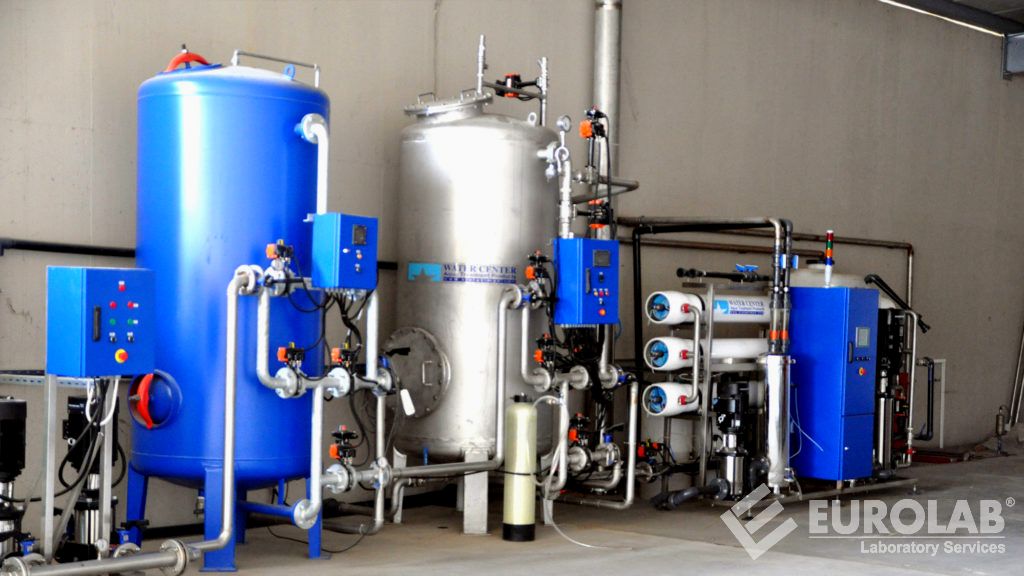
Almost all industrial processes use water at certain stages of the production process. The most common process water applications are for heating and cooling operations. Chemical plants, oil refineries, metal fabrication plants, textile mills, paper mills, food, rubber and nearly all manufacturing processes use water for heating and cooling. Any facility that requires air conditioning also uses water to remove heat and humidity.
Contactless cooling refers to the use of water to remove heat from a process without direct contact with the finished product. In performing their primary functions, power, process and cooling systems all develop a sizable byproduct called waste heat. This unwanted heat must be removed from these systems for efficient operation. Waste heat is most commonly removed from these processes by water.
Waste heat is heat produced as a by-product of an industrial process. A heat exchanger is a unit that transfers waste heat from a process or piece of equipment to cooling water and then removes it. Water of the appropriate temperature, quantity and quality is passed through heat exchangers, condensers, compressors and other plant equipment to absorb and remove waste heat. This heated water is then either discharged into a body of water such as a lake, river or stream, or it is cooled and recycled.
There are mainly three types of cooling systems:
Our organization also provides cooling and process water analysis services with its trained and expert staff and advanced technological equipment, among the numerous test, measurement, analysis and evaluation studies it provides for businesses in various sectors.
To get an appointment, to get more detailed information or to request an evaluation, you can ask us to fill in our form and reach you.

