

Coliform bacteria are bacteria commonly encountered in the digestive systems of animals, including humans. In addition, these bacteria are found in plants and soil.
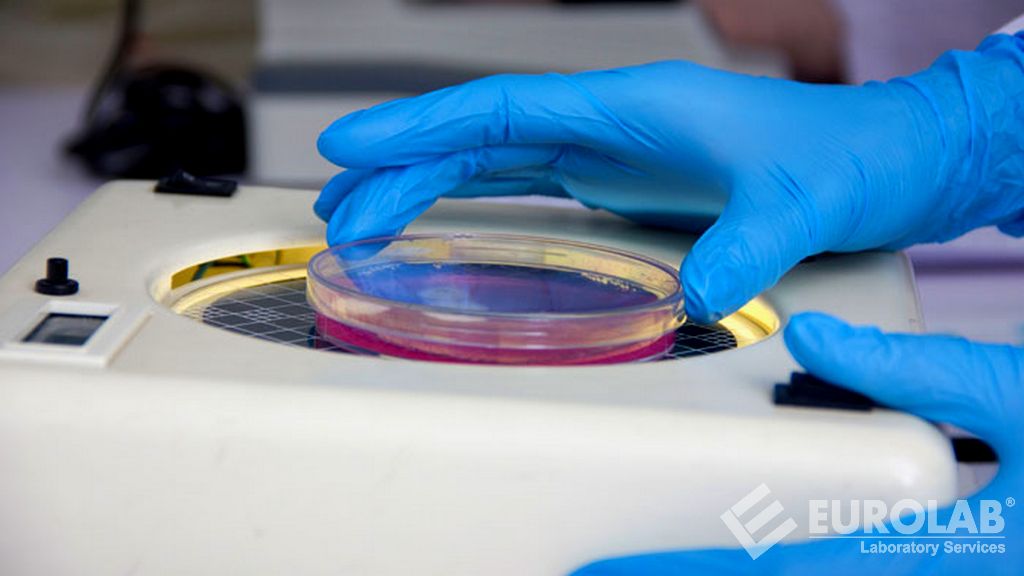
Water pollution by fecal contamination is a serious problem due to disease-causing organisms. Frequently, the concentrations of pathogens from faecal contamination are low, but the number of different possible pathogens is large. In general, the presence of pathogens is indirectly detected by testing for an indicator organism such as coliform bacteria.
Coliforms come from the same sources as pathogenic organisms. Coliforms can be easily identified. There are usually large numbers of dangerous disease-causing organisms. As a result, testing for coliform bacteria is a reasonable indicator of the presence of other disease-causing bacteria.
In the ISO 930-1 standard published by the International Standards Organization (ISO), a test method is defined for the enumeration of escherichia coli (e. coli) and coliform bacteria. The principles on which this test method is based are:
Background growth due to the low selectivity of the differential agar medium, eg in surface waters or shallow well waters e. coli and coliform bacteria prevent reliable enumeration. Therefore, this test method is not considered suitable for such waters.
The ISO 9308-1 standard is particularly suitable for waters with low bacterial counts resulting in less than 100 total colonies on chromogenic coliform agar. These are usually drinking water, disinfected pool water or finished water from drinking water treatment plants.
The primary test method to detect bacterial contamination in a water supply is the total coliform bacteria test.
The primary test method for determining bacterial contamination in a water supply is the total coliform bacteria test.
Among the numerous test, measurement, analysis and evaluation studies it provides for businesses in various sectors, our organization also provides coliform bacteria count testing services with its trained and expert staff and advanced technological equipment.
To get an appointment, to get more detailed information or to request an evaluation, you can ask us to fill in our form and reach you.

