16 CFR Part 1700 Poison Prevention Packaging
Regulation 16 CFR Part 1700, titled “Poison Prevention Packaging,” issued by the U.S. Consumer Product Safety Commission (CPSC), is a regulation issued under the Poison Prevention Packaging Act (PPPA) by the CPSC. This regulation specifies child-resistant packaging requirements for hazardous household products, prescription drugs, and certain over-the-counter medications. The primary goal of this regulation is to ensure that packaging remains usable for adults, including the elderly, while reducing accidental poisonings in children under five years of age.
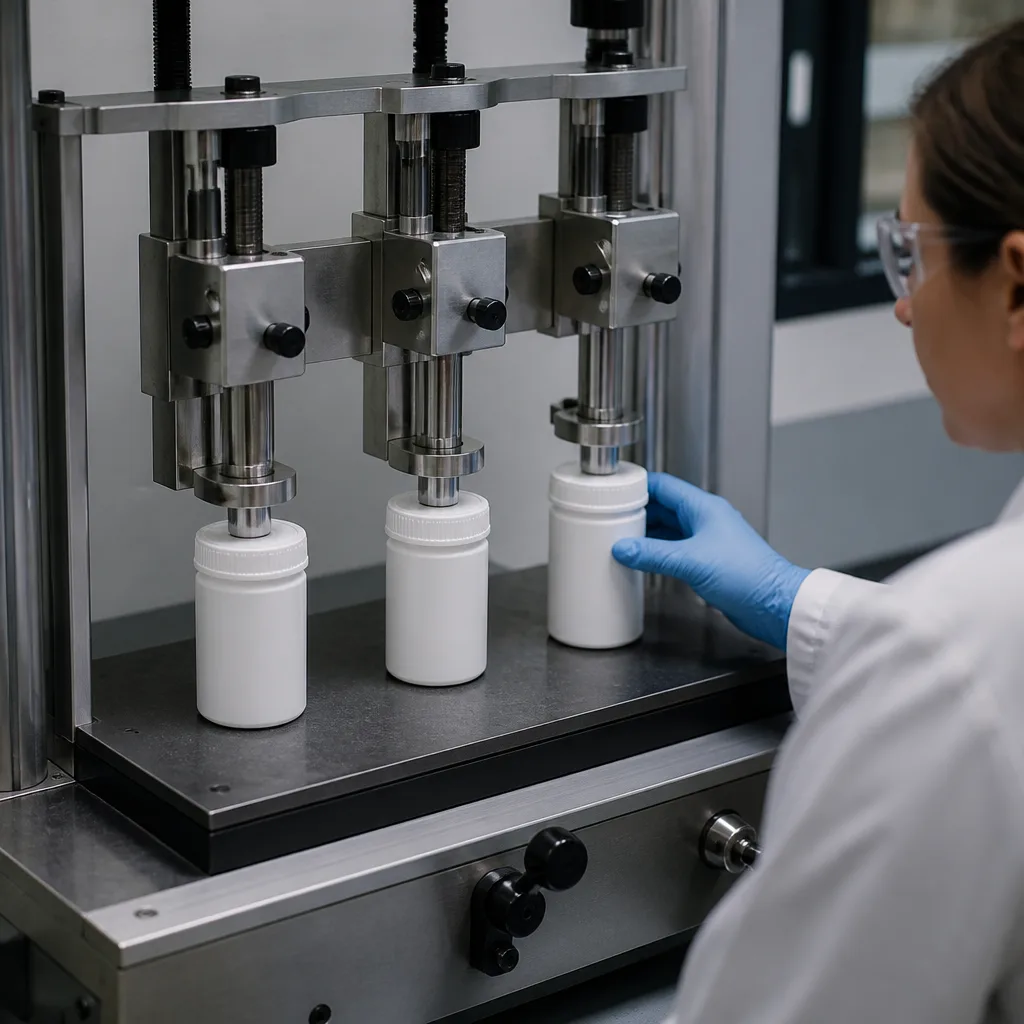
Today, 16 CFR Part 1700 is one of the world's most renowned child safety packaging regulations and is widely referenced by manufacturers of pharmaceuticals, chemicals, cosmetics, and consumer products.
This regulation was implemented after thousands of accidental poisoning incidents involving young children. By requiring special packaging that is difficult for children to open but suitable for adults, this standard has significantly reduced deaths and serious injuries from accidental ingestion of hazardous substances.
The main purposes of the CFR Chapter 1700 regulation are as follows:
- To protect children from accidental poisoning.
- To reduce deaths and injuries caused by household chemicals and pharmaceuticals.
- To establish standardized testing methods for child-resistant packaging.
- To ensure that the packaging remains practical for normal adult use.
- To improve overall consumer product safety.
The regulation of 16 CFR Part 1700 applies to numerous household articles, including:
- Prescription drugs
- Some over-the-counter medications
- Dietary supplements containing regulated ingredients
- Household cleaning chemicals
- Automotive chemicals
- Pesticides (for products covered by the poison prevention packaging law requirements)
- solvents
- Paint removers
- Furniture polishes
- Containers of nicotine-containing liquids fall under applicable US legislation.
- Other hazardous household products specified in the regulation.
The main important sections of the CFR Chapter 1700 regulation are as follows:
- Definitions (§1700.1): This section provides formal definitions for the following terms:
- Special packaging
- Household substance
- Child-resistant packaging
- Adult packaging
- Packaging testing terminology
- Jurisdiction (§1700.2): This section defines the statutory authority under the poison prevention packaging law that allows the U.S. Consumer Product Safety Commission to determine and enforce packaging requirements.
- Special packaging standards (§1700.15): This section specifies the performance requirements that child-resistant packaging must meet. The packaging must have the following characteristics:
- It should be significantly difficult for children under five to open it within a reasonable time frame.
- Normal adults shouldn't have any difficulty opening and properly closing it.
- Substances requiring special packaging (§1700.14): This section lists substances that are legally required to be packaged in a way that is safe for children. The list has been expanded over time as new hazards have been identified.
- Test procedures (§1700.20): This section contains the official performance test methods used in the certification of child-resistant packaging.
One of the most important aspects of CFR Part 1700 is the endurance testing procedure for children.
- Child panel test: This test typically includes children aged 42 to 51 months. Performance criteria include:
- At least 85% of children should not be able to open the package within the first 5 minutes.
- After the demonstration, at least 80% of people must be unable to open the package for the entire 10-minute test period.
- Adult panel test: Packaging should also be age-friendly. Tests generally require a high percentage of adults to be able to:
- Being able to open the package correctly.
- Being able to close it again correctly.
- Being able to complete both tasks within the specified test time.
This balance between child-resistant design and ease of use for adults is a defining characteristic of the regulation.
Child-resistant packaging types typically include the following:
- Push and turn lids
- Squeeze and twist lids
- Alignment arrow locking caps
- Push-clamp blister packs
- Peel and push blister packs
- Child-resistant flexible bags
- Special interlocking distribution systems
These designs prevent easy access for young children while remaining accessible to adults.
16 CFR Part 1700 regulation is widely applied in the following sectors:
- Pharmaceutical production
- Health products
- Chemical production
- Household cleaning products
- Automotive chemicals
- Cosmetics and personal care
- Nutritional supplements
- agricultural chemicals
- Consumer packaged products
Compliance with CFR Part 1700 provides several benefits:
- Consumer safety: Proper packaging greatly reduces accidental poisoning in children.
- Compliance with regulations: Products sold in the United States and falling under the scope of this regulation must comply with the requirements of the Poison Prevention Packaging Act; otherwise, they may face enforcement actions, recalls, or other regulatory consequences.
- Market access: Compliance is often crucial for marketing regulated products in the U.S.
- Product quality: The certified child-resistant packaging demonstrates the manufacturer's commitment to product safety and quality.
- Brand protection: Secure packaging helps reduce liability risks and strengthens consumer trust.
Manufacturers typically demonstrate compliance with 16 CFR Part 1700 in the following ways:
- Choosing compatible child lock packaging designs.
- To conduct tests in accordance with section §1700.20 of the regulation.
- Maintaining technical documentation and test reports.
- To issue required product certifications where applicable under the requirements of the U.S. Consumer Product Safety Commission (CPSC).
- Implementing continuous quality control to ensure the product packaging continues to meet performance requirements.
The regulation of CFR Part 1700 is generally used in conjunction with the following:
- ISO 8317 Childproof packaging for resealable packaging.
- ASTM D3475 Classification of childproof packaging.
- Consumer Product Safety Commission (CPSC) regulations.
- Child nicotine poisoning prevention law requirements for liquid nicotine packaging.
Organizations that comply with CFR Part 1700 regulations can obtain the following:
- Improved child safety.
- Reduced incidents of accidental poisoning.
- Compliance with US regulatory requirements.
- More consumer confidence
- Reduced risk of product liability.
- Improved product quality and reliability.
- Easier access to the US market
In conclusion, the 16 CFR Part 1700 regulation is a fundamental U.S. safety regulation governing child-resistant packaging for hazardous household products and certain medications. By combining rigorous performance testing with practical usability requirements, it ensures that adults can use products safely and effectively while protecting young children from accidental poisoning. For manufacturers of pharmaceuticals, chemicals, household products, and other regulated consumer goods, compliance with this regulation is a crucial step toward fulfilling legal obligations, protecting public health, and maintaining consumer confidence.
For many years, our organization, with its competent and experienced staff, has been understanding the needs of its clients, providing the advanced testing services they require, and assisting them in the establishment, implementation, and improvement of management systems. Within this framework, we also provide testing services compliant with 16 CFR Part 1700 regulations.



