MIL-STD-3010 Test Method Standard - Test Procedures for Packaging Materials
MIL-STD-3010 Test Method Standard: Test Procedures for Packaging Materials
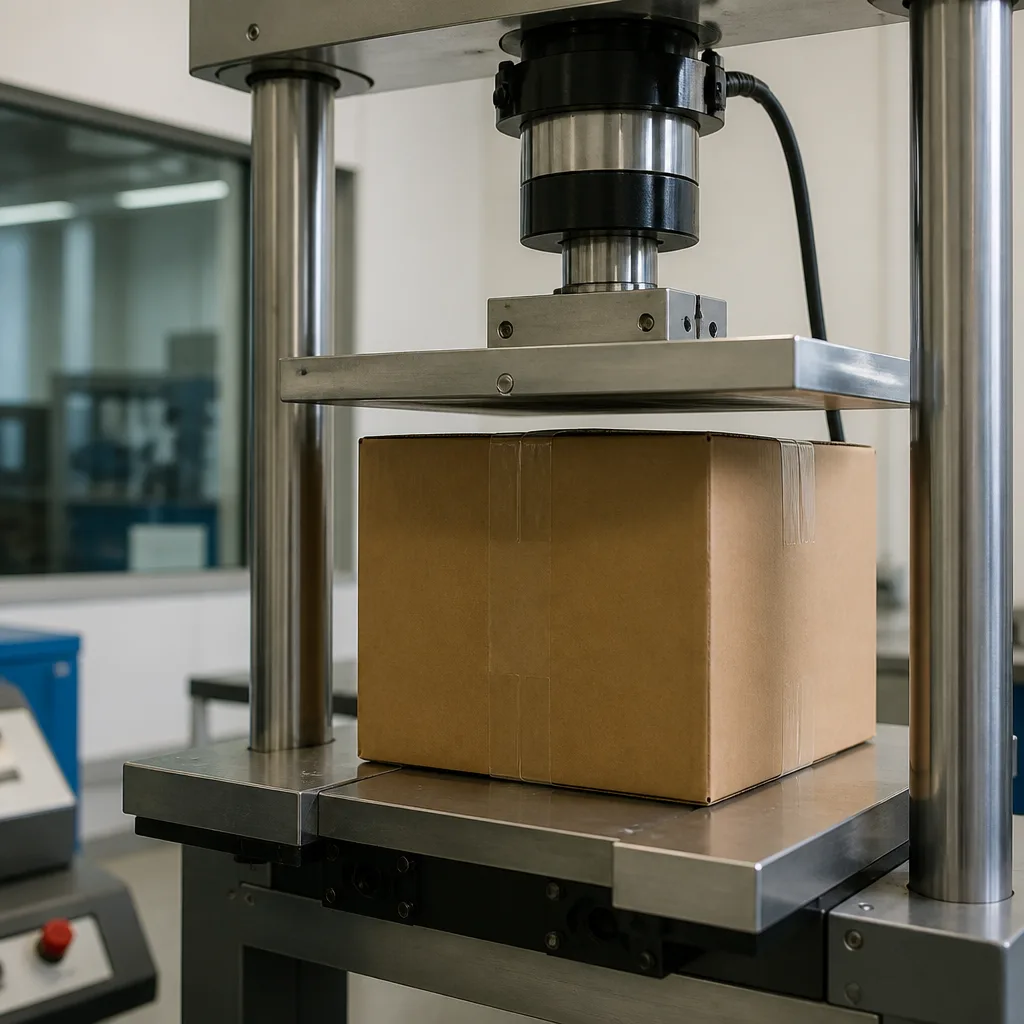
The MIL-STD-3010 Test Method Standard: Test Procedures for Packaging Materials standard, a military standard developed by the United States Department of Defense, provides a central list of detailed and uniform test methods developed to evaluate the relevant properties of materials used in military packaging applications. These standardized test methods may be referenced numerically in specific packaging material specifications where appropriate, eliminating the need for repeated detailed descriptions of the standard test method in each material specification.
The test methods defined in this standard are:
- Dimensional characteristics:
- Test Method 1003 Thickness: This test procedure details a method for determining the thickness of samples using a dial micrometer on a test stand. It is designed for use on flexible packaging materials and filler materials.
- Strength and elastic properties:
- Test Method 2015 Curl: This test procedure details the method for determining the curling tendencies of barrier materials when exposed to normal or high temperatures.
- Test Method 2017 Bending procedure for barrier materials: This test procedure details standard methods for repeatedly bending barrier materials to simulate their use and handling.
- Test Method 2024 Heat-sealed seam strength: This test procedure details a method for evaluating the adequacy of heat insulation applied to sheet materials and in bag production.
- Test Method 2065 Puncture Resistance: This procedure details a test method used to determine the puncture resistance of flexible barrier materials used in military packaging.
- Resistor characteristics:
- Test Method 3003 Blocking Resistance: This test procedure details the test methods for determining the adhesion resistance of packaging materials to similar or different packaging materials with which they may come into contact during their storage and service life.
- Test Method 3005 Contact corrosion: This test method details a procedure to determine the corrosive tendencies of packaging materials when in close contact with the test surface.
- Test Method 3015 Resistance of heat-sealable laminated materials to delamination: This test procedure details the method for determining the resistance of a heat-sealable laminated material to delamination in the presence of oil.
- Test Method 3027 Water resistance of markings: This test procedure details a method for determining how long markings on packaging materials are preserved after exposure to water.
- Test Method 3028 Water resistance of packaging materials: This test procedure details the method for determining the resistance of packaging material to delamination (layer separation) as a result of exposure to water.
- Test Method 3030 Water Vapor Permeability Ratio of Barrier Materials: This test procedure details the method for determining the water vapor permeability ratio of packaging barrier materials. The test should be applied to the material either as received, after bending, or after accelerated aging.
- General physical characteristics:
- Test Method 4031 Vapor Barrier Ability of Volatile Corrosion Inhibitors: This test method details the procedures for determining the corrosion inhibitory effectiveness of volatile corrosion inhibitors in crystalline or liquid form, or volatile corrosion inhibitors applied as coatings or treatments on substrate materials.
- Test Method 4034 Transparency: This test procedure details a method for determining the degree of transparency of packaging materials.
- Test Method 4046 Electrostatic Properties: This test procedure details the method for determining the electrostatic properties of packaging materials. These properties are determined by measuring the dissipation rate of the electrostatic charge induced on the material being evaluated.
- Container characteristics:
- Test Method 5009 Leaks in Containers: This test procedure details methods for identifying air or liquid leaks from sealed containers. Five test methods are defined; the choice of method depends on the physical characteristics of the container being evaluated.
While many military standards focus on the design of a specific component, the MIL-STD-3010 standard is a procedural document. It specifies a uniform set of test methods for evaluating the physical, chemical, and protective properties of materials used in military packaging.
Military equipment is often subjected to extreme logistical stress (polar cold, tropical humidity, and harsh handling during sea or air transport). The MIL-STD-3010 standard ensures that the packaging (films, foils, cases, and wraps) protecting this equipment can withstand these environments.
This standard serves as the technical backbone for other standards such as MIL-DTL-117 (bags) and MIL-PRF-131 (barrier materials). When these properties require puncture resistance or water vapor permeability testing, they refer directly to specific methods within the MIL-STD-3010 standard.
The MIL-STD-3010 standard is essential because it provides a unified and reliable framework for evaluating the performance of packaging materials, especially those used in harsh military and defense environments. The main reasons this standard is important are as follows:
- It provides consistent testing methods: Packaging materials (films, laminates, barrier layers) must be tested for properties such as strength, seal integrity, and resistance to environmental stress. This standard defines standardized testing procedures that ensure the reproducibility of results regardless of where the test is performed.
- It supports military readiness and reliability: Military equipment such as ammunition, medical kits, and electronics often require protective packaging for long-term storage and transport. This standard ensures the packaging can withstand harsh conditions (humidity, extreme temperatures, rough handling), reducing the risk of failure in critical situations.
- It replaces outdated or fragmented methods: It combines multiple legacy test methods into a single, consistent document. This reduces confusion, eliminates repetition, and increases efficiency in both testing and procurement.
- It simplifies supplier qualification and procurement: Defense agencies can specify this standard in contracts by ensuring all suppliers meet the same performance criteria. This simplifies quality assurance and makes supplier comparisons fair and transparent.
- Improves product shelf life and protection: By verifying barrier properties, sealing strength, and durability, the standard helps ensure that packaged goods remain intact and functional over long storage periods (sometimes years).
- It enhances interoperability and global compatibility: Although a US military standard, its methods are widely accepted and often compatible with commercial and international testing practices. This helps multinational suppliers more easily meet defense requirements.
In conclusion, the MIL-STD-3010 standard is necessary because it builds confidence in packaging performance. It ensures the protection of critical materials, consistency of test results, and that procurement decisions are based on reliable data.
For many years, our organization, with its competent and experienced team, has been understanding the needs of its clients, providing the advanced testing services they require, and assisting them in the establishment, implementation, and improvement of management systems. Within this framework, we also provide testing services compliant with the MIL-STD-3010 standard to businesses.



