
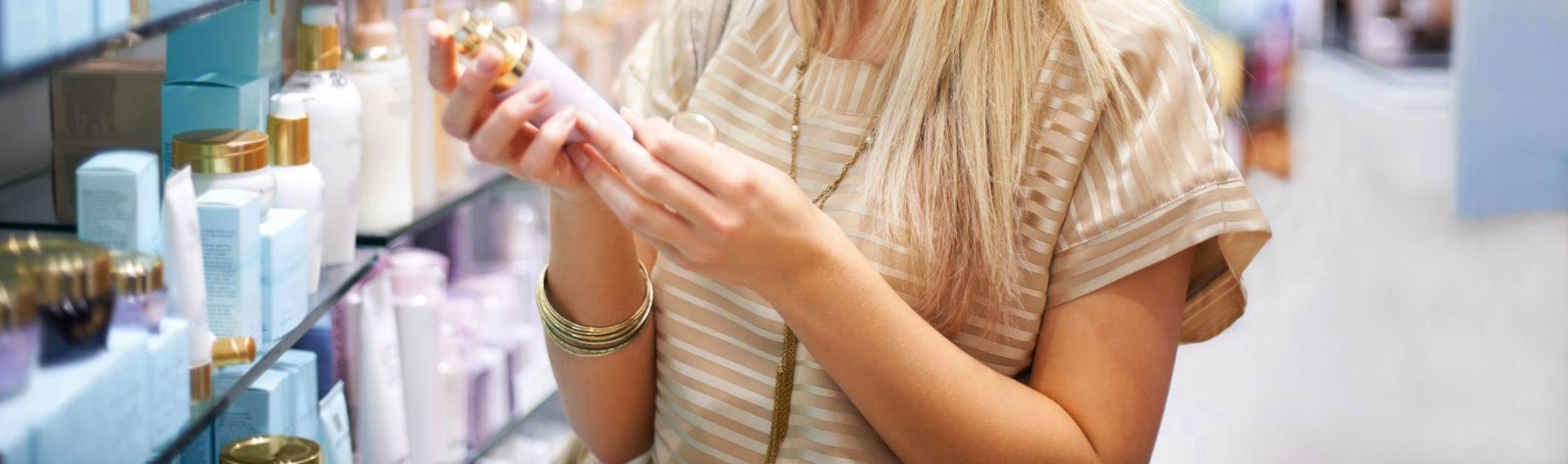
Butylphenyl methylpropional, also known as Lilial, is a fragrance ingredient that has been used in a variety of cosmetic and non-cosmetic products for years. Butylphenyl methylpropional has also been used in a variety of non-cosmetic products, such as household cleaners and detergents. However, in recent years, some concerns have been raised about the use of this ingredient and its risks to consumers.

According to the European Cosmetics Regulation, butylphenyl methylpropional is included in the list of substances that cosmetic products should not contain unless subject to specified restrictions.
According to an amendment to Regulation (EC) No 1272/2008 on the classification, labelling and packaging of substances and mixtures (CLP regulation), butylphenyl methylpropional (Lilial) is now classified as a reproductive toxicant and its use is banned in cosmetic products from 2022.
Lilial is a synthetic aromatic aldehyde. It is available in liquid form, colorless to pale yellow. It has an intense floral scent and is often associated with lily of the valley. It is used for its fragrance in many cosmetics, including bath products, hair care products, cleansing products, aftershave lotions, skin care products, and shampoos. The International Fragrance Association and Fragrance Materials Research Institute's expert panel on safety in cosmetic products has established guidelines for usage and labeling instructions.
Its safety is still controversial, as it can be a sensitizer, skin irritant and potential allergen. Another disadvantage is that it is considered an endocrine disruptor and possibly even a carcinogen.
Lilial is a fragrance ingredient found in many everyday cosmetics and household products. Recently, Lilial concentrations in products have been quite low. Its maximum concentration in cosmetics is limited and its use in cosmetics has recently been banned in the European Union due to its classification as a reproductive toxicant. In addition, according to the European Chemicals Agency (ECHA), it is considered a potential endocrine disruptor, meaning it is a substance that can alter the function of the endocrine system and consequently cause health problems.
Lilial use was initially restricted in the European Union because of its skin-sensitizing properties. Lilial had to be declared on products if its concentration in products that remained on the skin (such as creams, lotions, and deodorants) exceeded 0,001 percent or in products that were washed off after use (such as soaps, shampoos). In addition, total concentrations in products must not exceed the given limits, for example, 0,01 percent in body creams, 0,05 percent in bath preparations, or 0,1 percent in perfumes.
In 2022, the use of Lilial in cosmetic products is prohibited in European Union countries based on its CMR 1B classification.
Despite this, there are many publications that present conflicting and inconsistent research data.
Butylphenyl methylpropional is used in a variety of dermal products, including cosmetics, fine fragrances, shampoos, soaps, hair care products, skin care products, and other toiletries. However, it is not used in lip balms, toothpaste, or mouthwash products.
The purity of the butylphenyl methylpropional component is at least 99,5 percent. Possible impurities include 3-(3-tert-butylphenyl)-2-methylpropanal and lysmeric (lilac) acid. This last compound results from air oxidation in aqueous solutions at pH 7 and 25 degrees.
A few products that use butylphenyl methylpropional include:
The main properties of Butylphenyl methylpropional are:
Among the numerous testing, measurement, analysis and evaluation studies that our organization has carried out for businesses in various sectors, it also provides butylphenyl methylpropional (Lilial) testing services with its trained and expert staff and advanced technological equipment.
To get an appointment, to get more detailed information or to request an evaluation, you can ask us to fill in our form and reach you.

