
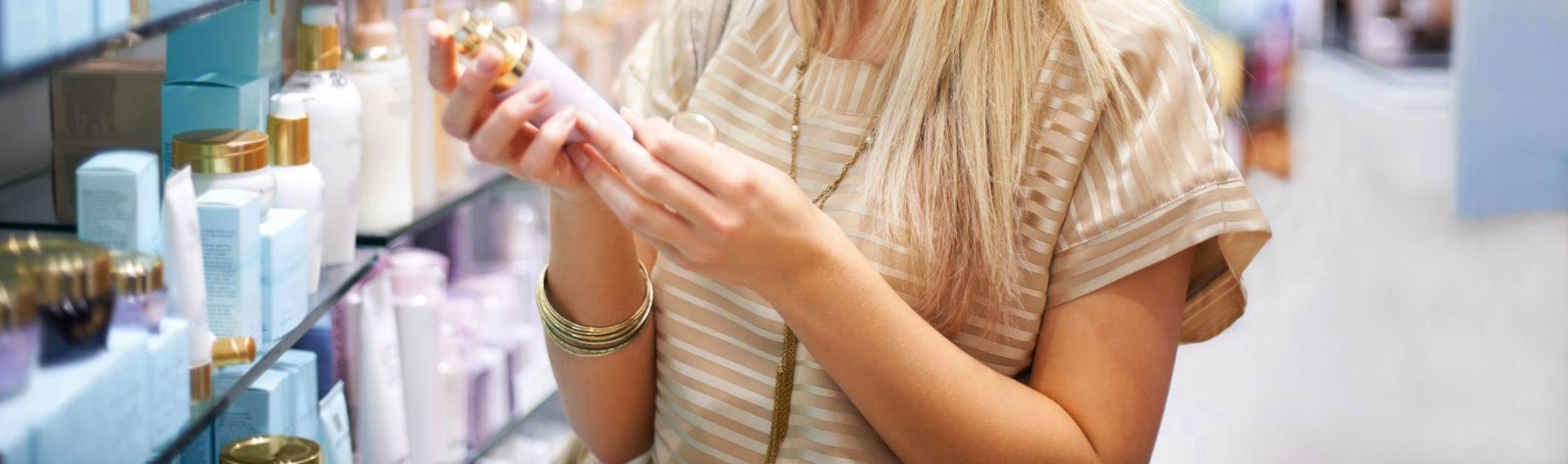
A large number of laboratory analyzes are required to ensure the safety of cosmetic products for consumers and to eliminate risks. These include microbiological, chemical and sensory cosmetic tests.

Cosmetics are products that are applied externally to the human body, namely the skin, hair, teeth, oral mucosa and nails. These products serve the purpose of protecting, cleansing and maintaining the human body, as well as improving body odor. These include, for example, creams to protect or improve skin health, deodorants to combat sweat odor, toothpastes to clean and protect teeth, and similar products.
Cosmetics must be analyzed before entering the market to eliminate any risks to human health. Manufacturers have a special obligation here. But cosmetic testing is essential for packaging companies as well as research and development.
There are many legal regulations to ensure that cosmetic products can be put on the market safely and to eliminate risks for the consumer. The most important of these is the Cosmetics Regulation (EC) No. 1223/2009. This legal regulation essentially regulates what obligations apply to cosmetics.
In order for a cosmetic product to be marketed risk-free, it must pass various tests for safety and stability.
The "ISO 17516 Make-up materials - Microbiology - Microbiological limits" standard developed by the International Standards Organization (ISO) describes the general requirements and limit values regarding the microbiological quality of cosmetic products. This standard helps in assessing the microbiological quality of all cosmetic products. There is no need to perform microbiological tests on products that are considered to be low risk microbiologically.
The ISO 17516 standard mainly includes the following analyses:
In addition, protection load tests are carried out within the scope of product development and control. The results are required for safety assessment required by the EU Cosmetics Directive or once products are reformulated. In preservation stress testing, also called challenge testing, the product is inoculated with microorganisms and stored under time, temperature and similar conditions. At the end of the defined period, microbial count and microbial count development are determined in order to comment on microbial stability.
In addition to microbiological tests of cosmetic products, chemical tests are also important to ensure that the product can be marketed safely. For this purpose, products are analyzed in terms of the following parameters:
In addition to microbiological cosmetic tests and chemical cosmetic tests, sensory tests of cosmetic products are also important. In sensory testing, products are identified objectively using human senses. Here, features such as smell, appearance, consistency and skin feel are described. Phase separations may occur in emulsions and precipitates that occur during sensory tests in cosmetic products. It is also possible to change the packaging material due to storage, heating and similar reasons.
Finally, harmful substance residues in cosmetics cause the products not to be marketed continuously. It is therefore of great importance that the ingredients are determined regularly to comply with the limit values. Possible residues include heavy metals, nitrosamines and phthalates.
Our organization provides numerous testing, measurement, analysis, and evaluation services to businesses, including cosmetic testing and analysis laboratory services.
To get an appointment, to get more detailed information or to request an evaluation, you can ask us to fill in our form and reach you.

