
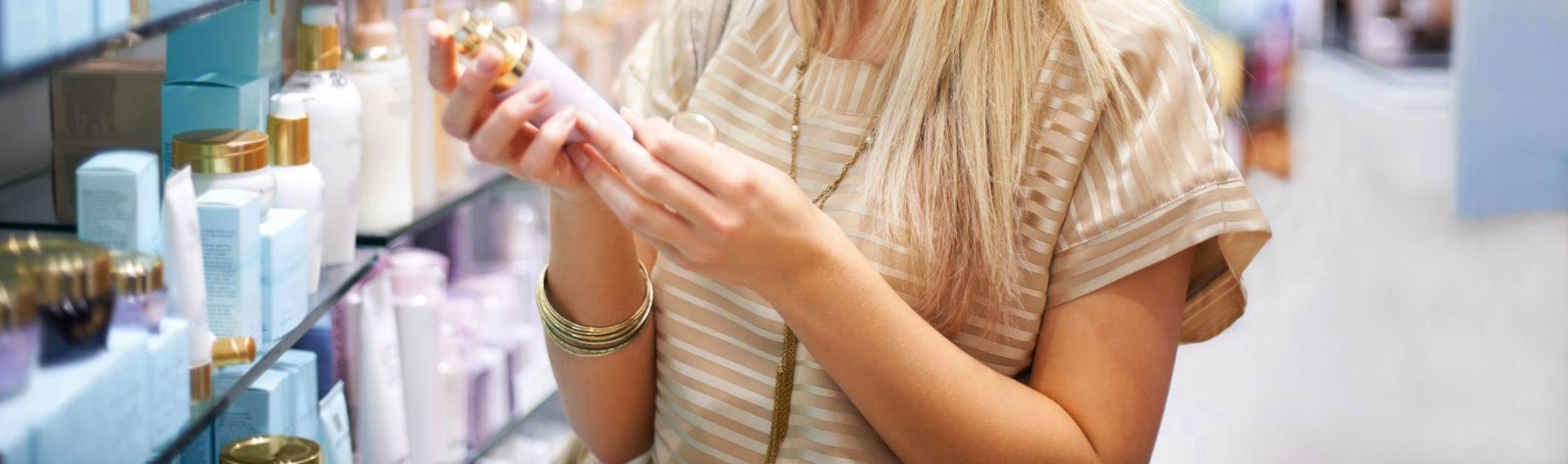
Aesthetic serums, or facial serums, are used to provide targeted treatment to the epidermis (the outermost of the three layers of skin) for a specific need. It is generally recommended to apply this serum before cream to enhance the effectiveness of a beauty routine. This is because the serum's liquid texture penetrates the epidermis very quickly, moisturizing and acting deeply on the skin. However, these serums are not designed to protect the skin. That protective task is left to the skincare cream, which strengthens the skin barrier and locks in moisture.

While skin care creams aim to protect the skin, cosmetic serums or serums for aesthetic purposes are designed to provide a response to the needs of the upper layer of the skin. The formulas of these serums contain powerful active ingredients and are suitable for every skin type.
Serums are skin care products for the face, with an intensive formula developed especially for the radical treatment of various skin problems such as:
Facial serums, sought after for their moisturizing or nourishing effects and their soothing, restorative or regulating effects, often contain powerful ingredients such as the following, depending on the formula:
The very rich formulas of serums for aesthetic purposes are suitable for use in very small quantities, so they are packaged in small bottles with dropper caps or measuring pipettes. This way this concentrated shine enhancer can be measured in drops.
The production and distribution of cosmetic products, including serums for aesthetic purposes, is covered by a directive on cosmetics 76/768/EEC for all member European Union countries that place the products on the market. This directive, which was amended several times after its publication, was later replaced by the new cosmetic product regulation No. 1223/2009.
To increase the effectiveness of your day or night treatments, it is recommended to use a serum as a complement to the classic beauty regime. When paired with a morning or evening skin care cream or used as a one-time treatment, this product enhances the action of facial products (creams and oils) with a high concentration of active anti-aging ingredients. Generally, products made with organic or natural active ingredients are preferred. In case of sun exposure, it is highly recommended to use a sun product with a high protection factor for face, body and hair, so as not to weaken the effectiveness of the serum and skin care cream pairing.
Numerous standards have been developed to ensure the safety and quality of cosmetic products. Standards for cosmetic products are constantly being developed by the European Committee for Standards (CEN) and the International Standards Organization (ISO).
In general, compliance with such standards is voluntary, but in some cases standards are accepted as a way of demonstrating compliance with directives. Such standards are known as harmonized and are a recognized way of demonstrating compliance with relevant directives. Harmonized standards are published in the official journal of the European Union. Today, the leading harmonized standards regarding cosmetic products is the "ISO 22716 Make-up materials - Good Manufacturing Practices (GMP) - Guides on Good Manufacturing practices" standard. This standard contains guidelines for the production, control, storage and shipment of cosmetic products.
Among the numerous tests, measurements, analyses, and evaluations provided to businesses by our organization are testing and analysis services for serums used for aesthetic purposes.
To get an appointment, to get more detailed information or to request an evaluation, you can ask us to fill in our form and reach you.

