

Organic cosmetics have the same hygienic and aesthetic functions as cosmetics in the chemical industry. However, the production rules differ according to the use of natural raw materials from organic farming and the absence of synthetic chemical compounds and extracts of animal origin. Organic cosmetics are environmentally friendly, prohibit animal extracts and are not tested on animals. It does not contain any chemical compounds, but rather natural components such as vegetable oils, plant extracts, essential oils and herbal waxes.
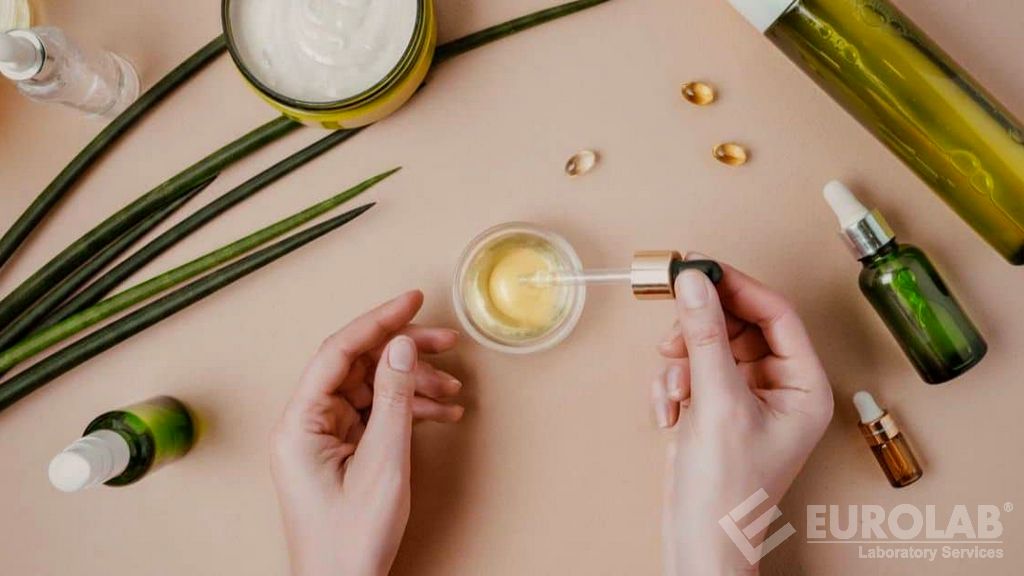
In order for a cosmetic product to be determined as organic, it must be produced in accordance with the legal regulations and standards in force, its content must be appropriate, and its tests and analyzes must be done. Organic labels have been created by various organizations dealing with consumer health in this regard.
For example, organic cosmetics do not contain parabens, sodium laureth sulfate, dyes and synthetic fragrances, silicones, phthalates, paraffin and other unnatural substances.
Organic cosmetics are entirely natural, rich in plant oils, plant waxes, and plant extracts, and their formulas do not contain mineral oil, silicone, preservatives, dyes, or synthetic fragrances. They are generally produced from biodynamic, organic farming or certified raw materials. Organic cosmetics contain nearly 400 species of wild medicinal plants obtained from organic farming.
In the test, analysis, measurement and evaluation studies carried out in our organization, national and international standards and applicable legal regulations are complied with and reliable and impartial results are obtained. Among the numerous tests carried out in this context, there are also organic cosmetic testing services.
To get an appointment, to get more detailed information or to request an evaluation, you can ask us to fill in our form and reach you.

