

Irritation tests are performed to determine whether a material or chemical substance or compound will cause local irritation on the skin or mucosal tissues. These tests are generally performed on animals and are based on the following standard: TS EN ISO 10993-10 Biological evaluation of medical devices - Part 10: Experiments for irritation and skin sensitivity.
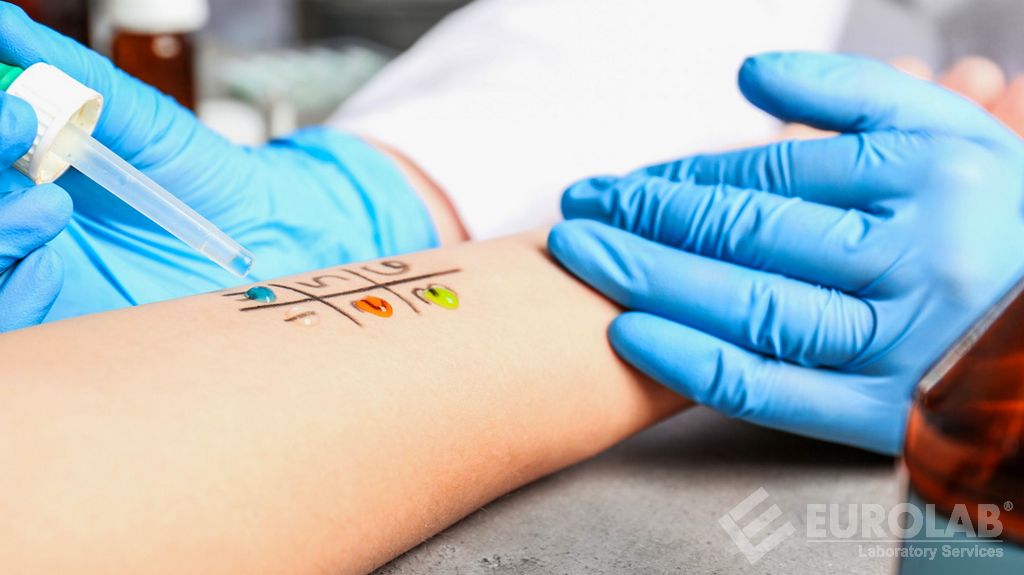
Skin irritation refers to reversible damage to the skin following the application of a test substance. Identifying the potential for topically applied chemicals or formulations to cause skin irritation is a crucial aspect of their safety assessment. Determining the skin irritation potential of test materials is based on tissue viability.
Irritation tests are conducted to assess the potential of a product used by consumers to cause skin irritation. For example, some cosmetic products can irritate the skin by penetrating the outer surface and reaching the layers beneath the skin, causing toxic effects on cells. This results in a sudden immune response that causes redness, itching, and sometimes pain on the skin.
Today, instead of in vivo tests on animals, the in vitro test method is used to determine whether the product content will penetrate the outer surface of the skin and cause a toxic effect on the cells underneath.
In the test, analysis, measurement and evaluation studies carried out in our organization, national and international standards and applicable legal regulations are complied with and reliable and impartial results are obtained. Among the numerous tests performed in this context, there are also irritation test services.
To get an appointment, to get more detailed information or to request an evaluation, you can ask us to fill in our form and reach you.

