
Sodium lauryl sulfate (SES) and sodium lauryl ether sulfate (SLES) are surfactants added to many health and beauty products to create foam and offer a cleansing action.
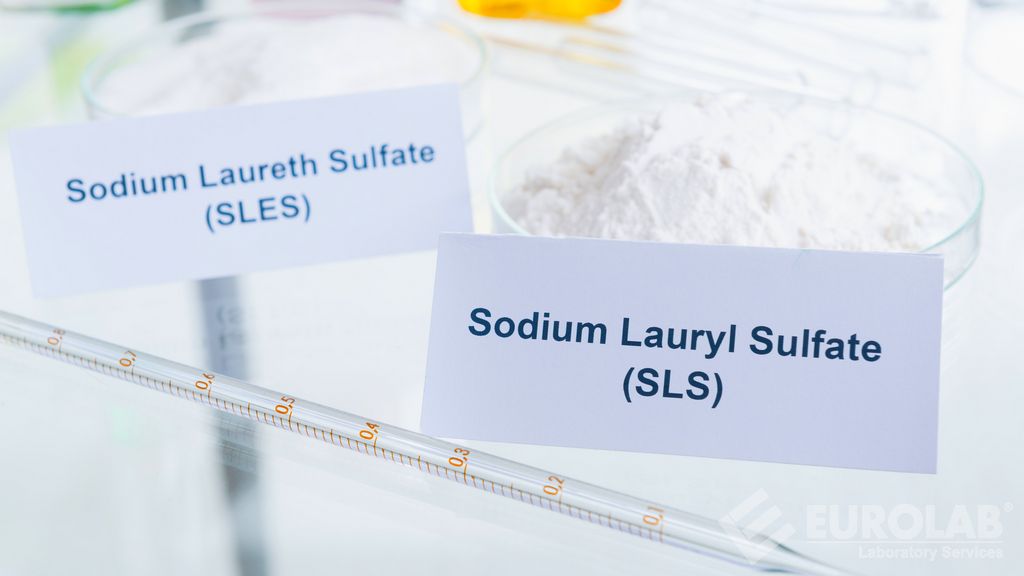
Sodium lauryl sulfate (SLS) lathers to create a cleansing foam and is found in many everyday health and beauty products. Many hand soaps, face washes, shaving creams, and even toothpastes owe their foaming quality to sodium lauryl sulfate. Sodium lauryl sulfate is considered safe to use by many regulatory agencies. However, it is a skin irritating compound if left on the skin for long periods of time.
Sodium lauryl ether sulfate (SLES) is derived from sodium lauryl sulfate by a process called ethoxylation. In this process, ethylene oxide is added to modify the compound. This process means that sodium lauryl ether sulfate is safe to use in bath and body care products and is gentler on the skin than its predecessor, sodium lauryl sulfate. This compound does not aggravate the skin or strip it of excess moisture.
Skin care products containing sodium lauryl ether sulfate are as cleansing, foaming and emulsifying as sodium lauryl sulfate, but benefit the skin by leaving it silky soft, smooth and nourished after use.
In our organization, testing, analysis, measurement, and evaluation studies comply with national and international standards and current legal regulations, ensuring reliable and unbiased results. Among the numerous tests conducted within this scope are SLS (sodium lauryl sulfate) / SLES (sodium lauryl ether sulfate) free determination services.
To get an appointment, to get more detailed information or to request an evaluation, you can ask us to fill in our form and reach you.

