GOST 29188 Perfumes and Cosmetic Products - Microbiological Test Methods
The “GOST 29188 Perfumes and cosmetics - Microbiological testing methods” standard, one of a series of technical standards developed by the Eurasian Council for Standardization, Metrology and Certification (EASC) , consists of the following sub-sections published under the same title:
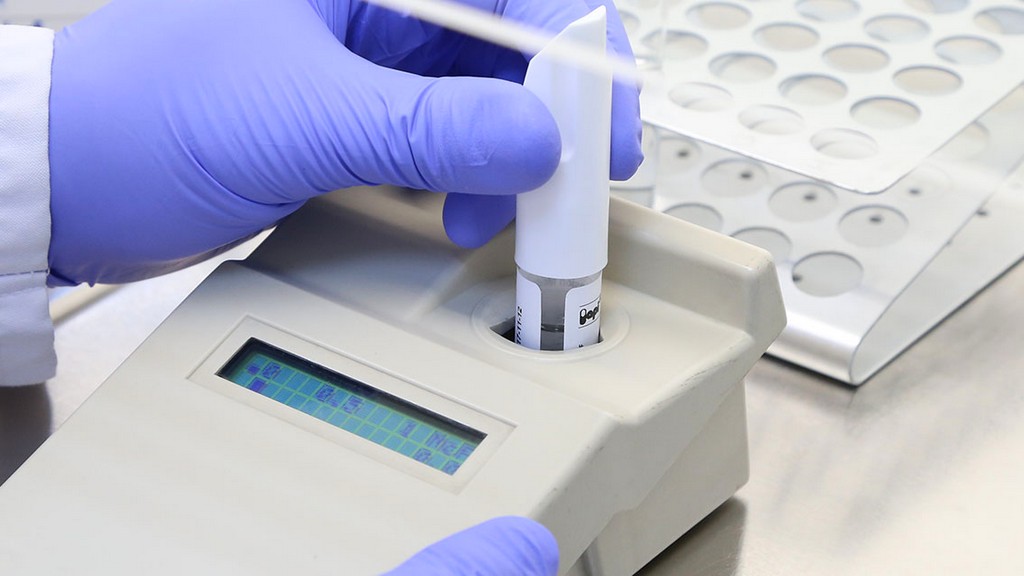
- The standard "GOST 29188.0 Acceptance Rules, Sampling, Organoleptic Test Methods" specifically outlines the rules for acceptance, sampling procedures, and organoleptic (sensory) testing methods for perfumery and cosmetic products. This standard is part of a series of standards related to cosmetic products and focuses on quality control through sensory evaluation, such as evaluating appearance, odor, and texture.
This standard applies to perfumery and cosmetic products, excluding solid toilet soap. It specifies requirements for product acceptance, sampling procedures, and organoleptic test methods (evaluation of qualities such as appearance, odor, and texture).
- The standard "GOST 29188.1 General Requirements" describes general requirements for microbiological testing methods for perfumery and cosmetic products. This standard ensures the safety and quality of cosmetic products applied directly to the skin, eyes, and mucous membranes. This standard provides a standardized framework for conducting microbiological tests. This ensures consistency and reproducibility in testing across manufacturers and laboratories, enabling reliable results. Having a common set of guidelines ensures that all products are tested using the same scientific principles and quality standards.
- The standard "GOST 29188.2 Detection of Specified Microorganisms" describes a method for detecting harmful microorganisms present in cosmetic products. Cosmetic and perfumery products come into direct contact with the skin, eyes, and mucous membranes. Contaminated products can cause infections, irritations, or allergic reactions. This standard allows products to be tested for harmful microorganisms such as Staphylococcus aureus, Pseudomonas aeruginosa, and Candida albicans. These are common pathogens that can pose health risks.
Manufacturers use this standard to verify that production processes are hygienic and final products are microbiologically clean. This standard helps maintain consistency in product quality across batches. Microbial contamination can lead to product spoilage, unpleasant odors, separation, or discoloration. This standard helps extend the shelf life and safety of cosmetic products.
This standard helps manufacturers perform specific tests to detect contamination in the early stages of production, maintain hygienic production environments, and produce consistent, high-quality products.
- The standard "GOST 29188.3 Methods for the Determination of Yeast and Mold Fungi" describes in detail the procedures for testing the stability of cosmetic emulsions. This standard specifically includes microbiological test methods for the enumeration of yeast and mold in cosmetic and perfumery products. Yeast and molds can cause skin infections, irritation, or allergic reactions, especially in individuals with sensitive skin or weakened immune systems. Some molds can produce mycotoxins, which are potentially harmful compounds.
The presence of yeast and mold can lead to product spoilage, unpleasant odors, and changes in color or texture. This standard provides a clear and reproducible method for quantifying yeast and mold in products.
This standard also supports risk assessment and helps manufacturers comply with good manufacturing practices (GMP). This helps manufacturers monitor contamination, compare results between batches, and maintain consistent product quality. It also impacts the shelf life and usability of products like creams, lotions, and makeup.
- The standard "GOST 29188.4 Method for Determination of Water and Volatiles or Dry Matter" describes methods for determining water, volatiles, or dry matter content in cosmetics. The method for determining water and volatiles or dry matter in cosmetic and perfumery products is crucial for understanding the product's composition, stability, and quality. These determinations help ensure that products meet appropriate standards and remain stable during use.
- GOST 29188.5 "Methods for the Determination of Free and Combined Alkali" specifies methods for determining the presence of free and combined alkali in perfumery and cosmetic products. The presence of alkali can affect the pH and stability of the product, potentially leading to skin irritation or reduced shelf life. Therefore, this standard is important for ensuring the safety and quality of cosmetic products.
- The standard, "GOST 29188.6 Method for the Determination of Ethyl Alcohol by Gas Chromatography," describes a gas chromatographic method for determining the ethyl alcohol content in perfumery and cosmetic products. Ethyl alcohol is often used as a solvent or preservative in these products, and its concentration must be accurately measured to ensure product safety, quality, and regulatory compliance.
- The standard "GOST 29188.7 Methods for the Determination of Free and Combined Alkali" specifies methods for determining the presence of free and combined alkali in perfumery and cosmetic products. The presence of alkali can affect the pH and stability of the product, leading to skin irritation or reduced shelf life. Therefore, this standard is important for ensuring the safety and quality of cosmetic products.
These substandards focus on specific test methods to ensure compliance with the general requirements of GOST 29188. They are actively used for quality assurance and regulatory compliance in the cosmetics industry in Russia and other CIS countries.
The GOST 29188 series of standards provides scientifically validated methods and guidelines for ensuring the safety, quality and effectiveness of perfumery and cosmetic products.
Our organization, which has been supporting businesses across all sectors for years through a wide range of testing, measurement, analysis, and evaluation activities, has a strong team of employees who closely follow global developments in science and technology and are constantly improving themselves. In this context, we also provide testing services in accordance with the "GOST 29188 Perfume and cosmetic products - Microbiological testing methods" standard.