

Hydroxyproline, proline, and glycine are the main components of collagen. Collagen is one of the main building blocks of connective tissue such as skin, bone, and cartilage. Therefore, when these tissues are damaged, hydroxyproline is needed to repair the damaged area.
Several high-protein foods are known to support collagen production because they contain the amino acids that make up collagen: glycine, proline, and hydroxyproline. These include fish, poultry, meat, eggs, dairy, legumes, and soy. Collagen production also requires nutrients such as zinc, found in shellfish, legumes, meat, nuts, seeds, and whole grains, and vitamin C, found in citrus fruits, berries, leafy greens, bell peppers, and tomatoes.
Currently, non-industry research on collagen supplements is lacking. It is recommended that natural collagen production be supported by a healthy, balanced diet, consuming adequate protein foods, whole grains, fruits, and vegetables, and reducing lifestyle risk factors.
Hydroxyproline is found in essentially all tissues and all genetic collagen types. Hydroxyproline is derived from the breakdown of collagen. Most of the breakdown products are reabsorbed by the renal tubules and degraded in the liver, while only about 10 percent is excreted in the urine. Small amounts of free amino acids are found in the urine. Hydroxyproline is never re-incorporated into newly synthesized collagen, but both collagen synthesis and tissue breakdown contribute to urinary hydroxyproline. Colorimetric methods or high-performance liquid chromatography (HPLC) are usually used to measure urinary hydroxyproline.
Hydroxyproline in urine has always been considered important as a marker of osteoporosis.
Hydroxyproline is a major component of fibrillar collagen of various types, accounting for approximately 14 percent of the total amino and imino acid content. It is formed through the modification of proline by the enzyme 4-prolyl hydroxylase. In the body, hydroxyproline exists in protein-bound, peptide-bound, and free forms. Most of the hydroxyproline is metabolized in the liver, while a small portion is excreted in the urine.
Hydroxyproline is derived from post-translational hydroxylation of proline. Hydroxyproline increases collagen elasticity, whereas proline decreases it. The two sources of circulating hydroxyproline are dietary intake and osteoporosis. Hydroxyproline enters the circulation during bone resorption and collagen degradation. Hydroxyproline is a marker of collagen degradation.
Determination of hydroxyproline concentration provides useful information for the diagnosis of diseases caused by collagen metabolism disorders. In these analyses, liquid chromatography-mass spectrometry (LC-MS) is generally applied to evaluate hydroxyproline concentration. Hydroxyproline concentration in lung and liver tissues measured by LC-MS is preferred due to its simplicity, high sensitivity and short separation time when compared with values obtained by a colorimetric method and a fluorescence method using high-performance liquid chromatography (HPLC). The use of the LC-MS method to measure hydroxyproline concentration is advantageous for the diagnosis of diseases associated with collagen metabolism abnormalities.
Hydroxyproline is a major component of the protein collagen, making up about 14 percent of collagen. Hydroxyproline and proline play important roles in collagen stability. They allow the collagen helix to bend sharply.
Major analyses performed in advanced laboratories include:
Hydroxyproline analysis is also a critical tool for industries focused on product quality and integrity. A secondary non-essential amino acid, hydroxyproline is found primarily in connective tissue proteins such as collagen and elastin, making it an important marker for determining the presence of animal ingredients.
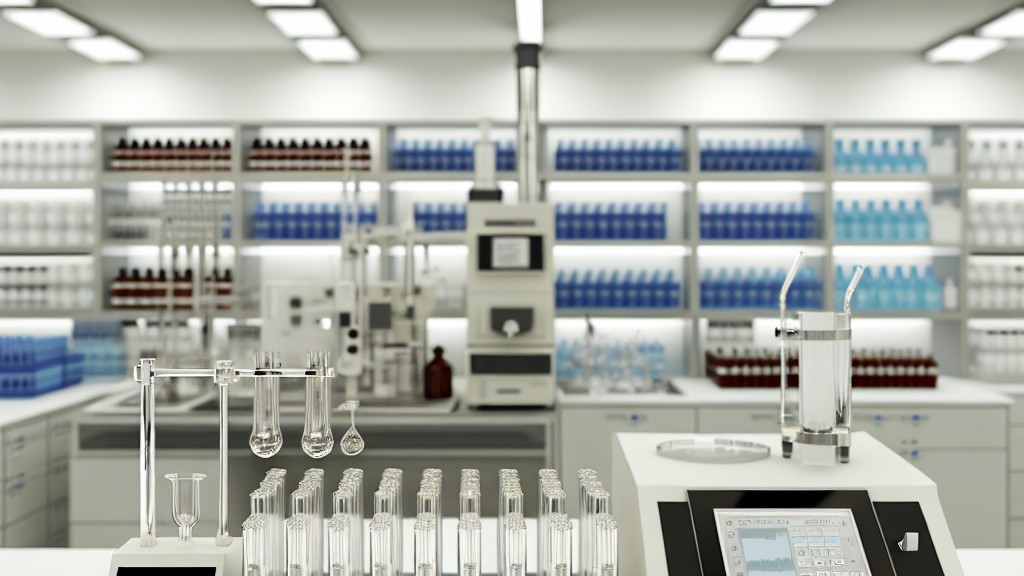
Advanced laboratories use a high-resolution analytical program with photometric detection at 440 nm to ensure accurate hydroxyproline quantification. This approach eliminates interference from other amino acids that may potentially co-elute, providing highly reliable results. Customized methodology ensures sensitivity across a variety of sample types and industry requirements.
Understanding and controlling hydroxyproline content in products is vital to many industries. This amino acid indicates the presence of animal-derived content, making it essential for product integrity, meeting regulatory requirements and supporting quality assurance. Hydroxyproline analysis supports a variety of applications, from ensuring vegan claims on food products to improving the nutritional value of animal feed.
Because hydroxyproline is primarily derived from collagen, it is rarely found in plant-based sources. As a result, some food manufacturers use the absence of hydroxyproline to substantiate vegan claims, especially when products are processed on shared production lines that process non-vegan ingredients such as gelatin.
Hydroxyproline analysis is also valuable in animal nutrition. Supplementing animal feed with hydroxyproline has been shown to improve growth performance, collagen production and muscle development in livestock and aquaculture species. For example, dietary hydroxyproline can support optimum growth in fish farming, improving commercial outcomes for producers.
Collagen-based products play a critical role in healthcare and are widely used in:
Rigorous quality control of collagen-based materials ensures that these products meet stringent health standards. Amino acid analysis, including hydroxyproline quantification, is an important part of this quality assurance.
Hydroxyproline quantification is valuable beyond food, farming, and healthcare. Other industries that benefit from hydroxyproline analysis include:
Our organization, which has been trying to support businesses from every sector with its wide range of testing, measurement, analysis and evaluation studies for years, has a strong staff that closely follows the developments in the world in the field of science and technology and constantly improves itself. In this context, collagen and hydroxyproline analysis services are also provided to businesses.
To get an appointment, to get more detailed information or to request an evaluation, you can ask us to fill in our form and reach you.

