

Alcohols have an important place among organic solvents together with aliphatic hydrocarbons, aliphatic halogenated hydrocarbons and aromatic hydrocarbons. Alcohols generally have a narcotic effect.
The intensity of this effect depends on the number of carbons in its molecules. Halogens amplify this effect. Its antiseptic effects are also strengthened. The main alcohols are methanol, ethanol, propanol, butanol and pentanol. Ethyl alcohol, or ethanol, is a colorless, flammable liquid with a characteristic odor, miscible with organic solvents in all proportions.
According to the intended use, various products contain alcohol in different proportions: for medicinal purposes (96 percent), for the preparation of drugs, cosmetic preparations and beverages (70 percent), industrial denatured alcohol (92-94 percent) and absolute (99.5%).
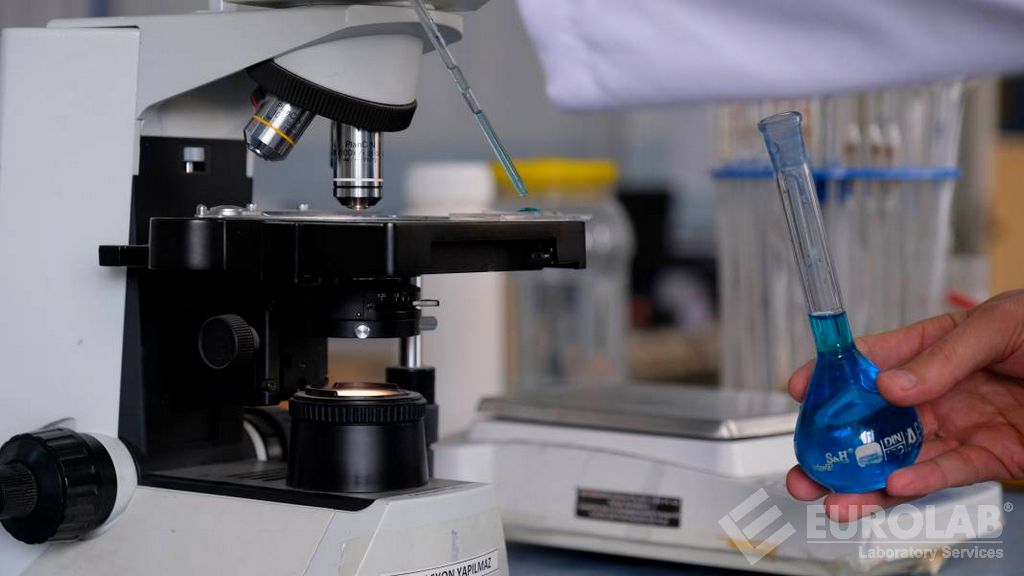
For the analysis of substances soluble or insoluble in alcohol, the sample taken in a certain weight is homogenized and treated with ethanol using glass and consumables with constant weights. Afterwards, the remaining material on the filter paper is dried, the final weights are taken again and the amount of soluble / insoluble substance in alcohol is calculated.
The amount of insoluble matter in ethanol is generally made in the food control laboratory and evaluated according to the relevant standards.
In the tests and analyzes carried out in our organization, which has a wide range of technological equipment, trained and experienced staff and applies the most modern methods, national and international standards and legal regulations in force are complied with. Among the numerous tests carried out in this context, there are services for the determination of the amount of insoluble / soluble substance in ethanol (alcohol).
To get an appointment, to get more detailed information or to request an evaluation, you can ask us to fill in our form and reach you.

