

The ISO 16217 Cosmetics - Sun protection testing methods - Immersion procedure for determining water resistance standard, published by the International Organization for Standardization (ISO), describes the immersion procedure for determining the water resistance of sunscreen products in a living organism. This standard applies to products intended for contact with human skin that contain any component capable of absorbing, reflecting, or scattering UV rays, and are also designed to be less easily removed from the skin during immersion in water or water. This standard is intended to be read in conjunction with the ISO 24444 Cosmetics - Sun protection testing methods - Determination of sun protection factor (SPF) in a living organism standard.
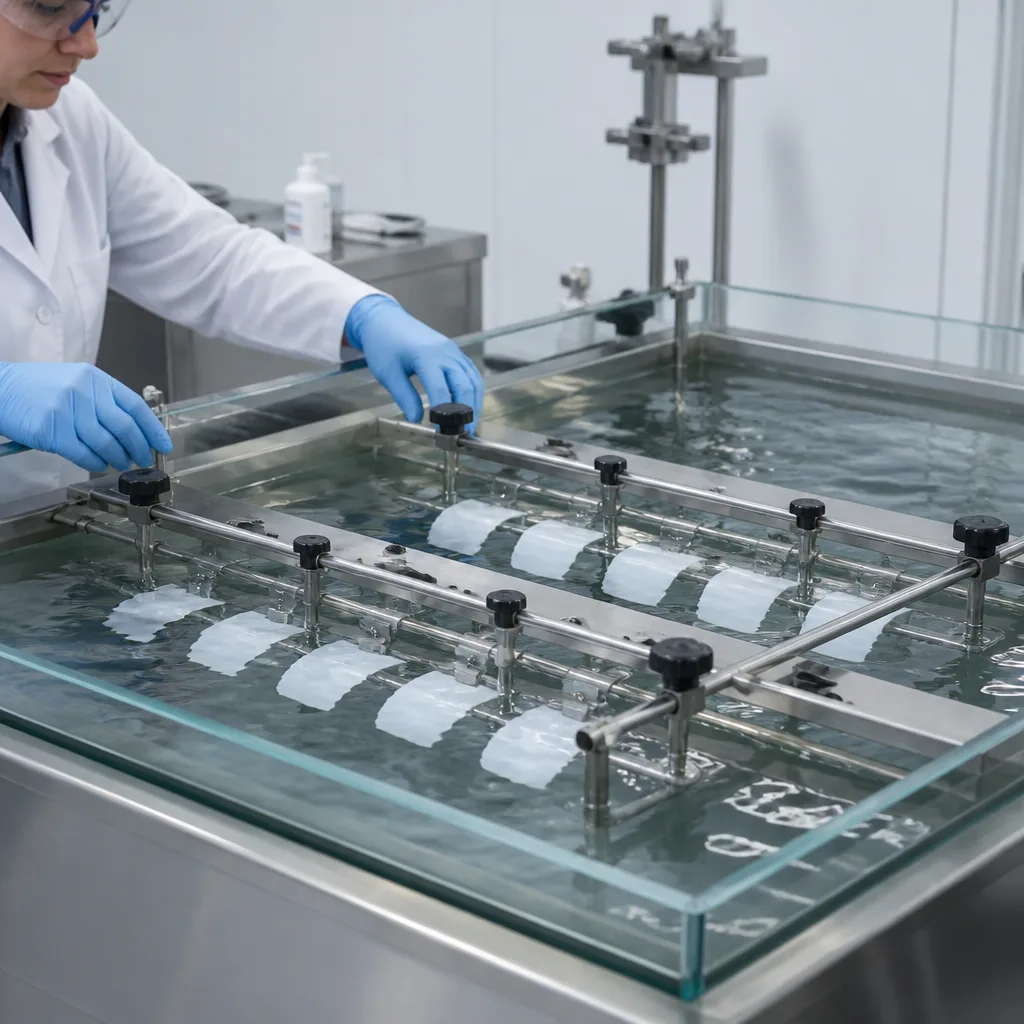
ISO 16217 is an international standard that defines a standardized immersion method for evaluating the water resistance of sunscreen products. This standard provides a consistent methodology for determining how well sunscreen products maintain their sun protection performance after exposure to water. It is used in conjunction with ISO 24444, which defines the method for determining the sun protection factor (SPF) of sunscreen products.
The ISO 16217 standard applies to sunscreen products that have the following characteristics:
The main objectives of the ISO 16217 standard are:
In principle, this standard evaluates how effective a sunscreen product remains after controlled submersion in water. Generally, the process involves the following:
This procedure ensures that sunscreen products claiming waterproof properties are tested under repeatable and scientifically controlled conditions.
The ISO 16217 standard controls many important variables, including:
This standard reduces variability in test results between different laboratories by standardizing these parameters.
The ISO 16217 standard is widely used by:
This standard is particularly important for companies marketing products that claim to be waterproof or highly waterproof.
The benefits provided by the ISO 16217 standard are as follows:
The ISO 16217 standard does not define the sun protection factor independently. Instead, it works in conjunction with the ISO 24444 standard. The ISO 24444 standard specifies the basic sun protection factor (SPF) performance. The ISO 16217 standard specifies the water immersion procedure used before reassessing the sun protection factor. Together, these standards provide a complete framework for evaluating both sun protection effectiveness and water resistance.
The ISO 16217 standard is important because it provides a standardized and scientifically validated method for evaluating the waterproofness of sunscreen products. Sunscreens are frequently used during swimming, sports, and outdoor activities. Exposure to water and sweat during these activities can reduce their effectiveness. Without a uniform testing procedure, manufacturers may make inconsistent or misleading waterproofing claims. The main reasons why this standard is considered necessary are as follows:
In conclusion, ISO 16217 is the international standard for testing sunscreen products underwater. It defines a controlled procedure for evaluating water resistance and is designed to be used in conjunction with ISO 24444 standard testing. This standard supports both consumer safety and regulatory compliance by ensuring that sunscreen water resistance claims are accurate, repeatable, and internationally acceptable.
For many years, our organization, with its competent and experienced staff, has been understanding the needs of its clients, providing the advanced testing services they require, and assisting them in the establishment, implementation, and improvement of management systems. Within this framework, we also provide testing services compliant with the ISO 16217 standard.
To get an appointment, to get more detailed information or to request an evaluation, you can ask us to fill in our form and reach you.

