
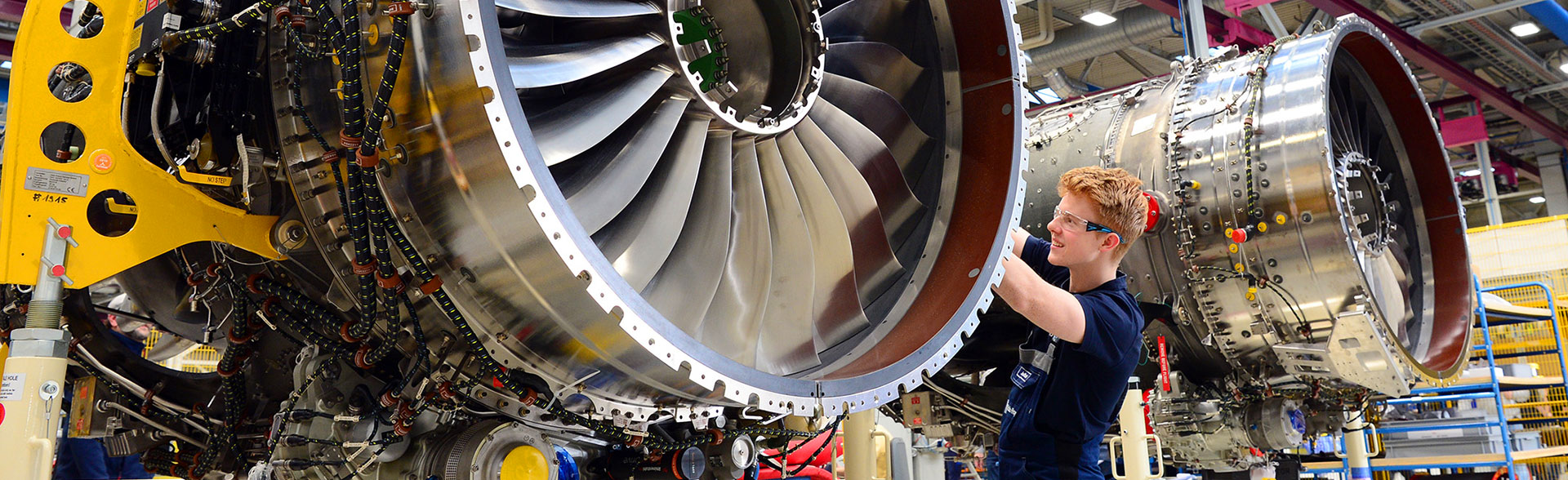
The standard “ASTM F1111 Standard Test Method for Corrosion of Low-Elasticity Cadmium Plates by Aircraft Maintenance Chemicals” published by the American Society for Testing and Materials (ASTM) describes a test method for determining the corrosive effects of aircraft maintenance chemicals on low-elasticity cadmium coatings used on aircraft high-strength steel under full immersion conditions through quantitative measurements of weight change.
Data obtained by this test method are used to determine whether low-brittleness cadmium-plated parts will corrode or be damaged by the application of the test material during routine maintenance operations.
In the aerospace industry, corrosion resistance is a critical consideration for materials used in aircraft construction and maintenance. ASTM F1111 provides a consistent method for evaluating the performance of low-brittle cadmium coatings when exposed to aircraft maintenance chemicals. This standard helps ensure safety, reliability, and performance in aviation environments.
This test method evaluates whether maintenance chemicals such as degreasers, lubricants and cleaning agents cause corrosion or deterioration of low-embrittlement cadmium-plated steel, a surface coating commonly used in aerospace applications to minimize hydrogen embrittlement while protecting steel components from corrosion.
Low-embrittlement cadmium coating is a specialized type of cadmium electroplating designed to minimize hydrogen embrittlement on high-strength steel components. This coating is vital in aerospace, defense, and critical industrial applications where even minor material degradation can have catastrophic consequences.
Cadmium is a soft and ductile metal with excellent corrosion resistance, particularly in marine and aerospace environments, offering:
However, traditional cadmium plating can cause hydrogen embrittlement, particularly in high-strength steels, making the material brittle and prone to cracking under stress.
Low embrittlement cadmium plate refers to a special coating process designed to minimize the amount of hydrogen introduced into the substrate during electroplating. Its key features include:
Low-embrittlement cadmium coating is used where high-tensile steels are available and failure due to embrittlement is critical. Commonly used parts include:
Meanwhile, cadmium is toxic, and its use is increasingly restricted under environmental laws such as RoHS (Restriction of Hazardous Substances) and REACH (Registration, Evaluation, Authorization, and Restriction of Chemicals). Consequently, many industries are exploring alternatives such as zinc-nickel, tin-zinc, or aluminum-based coatings, but cadmium remains the preferred choice in many aerospace and defense applications due to its unique properties and track record.
Aircraft maintenance often requires the use of aggressive chemicals. If these chemicals cause corrosion on cadmium-plated parts, they can compromise safety. The ASTM F1111 standard helps manufacturers and maintenance teams:
The method described in ASTM F1111 involves exposing low-embrittlement cadmium-coated steel panels to a test chemical and observing the resulting corrosion. The method consists of the following steps:
ASTM F1111 is widely used in industries such as:
The advantages of the ASTM F1111 standard include:
However, this standard has the following limitations:
As a result, ASTM F1111 plays a crucial role in ensuring the integrity of aircraft components by helping evaluate the compatibility of maintenance chemicals with cadmium-plated materials. Through standardized testing, it helps maintain high safety and performance standards in the aviation industry. Chemical manufacturers and maintenance professionals rely on this standard to prevent corrosion-related failures and ensure the long-term reliability of aircraft systems.
Our organization, which has been supporting businesses across all sectors for years through a wide range of testing, measurement, analysis, and evaluation activities, boasts a strong team of employees who closely follow global developments in science and technology and are constantly improving themselves. In this context, we also provide testing services in accordance with the "ASTM F1111 Standard Test Method for Corrosion of Low-Fragility Cadmium Plates by Aircraft Maintenance Chemicals."
To get an appointment, to get more detailed information or to request an evaluation, you can ask us to fill in our form and reach you.