
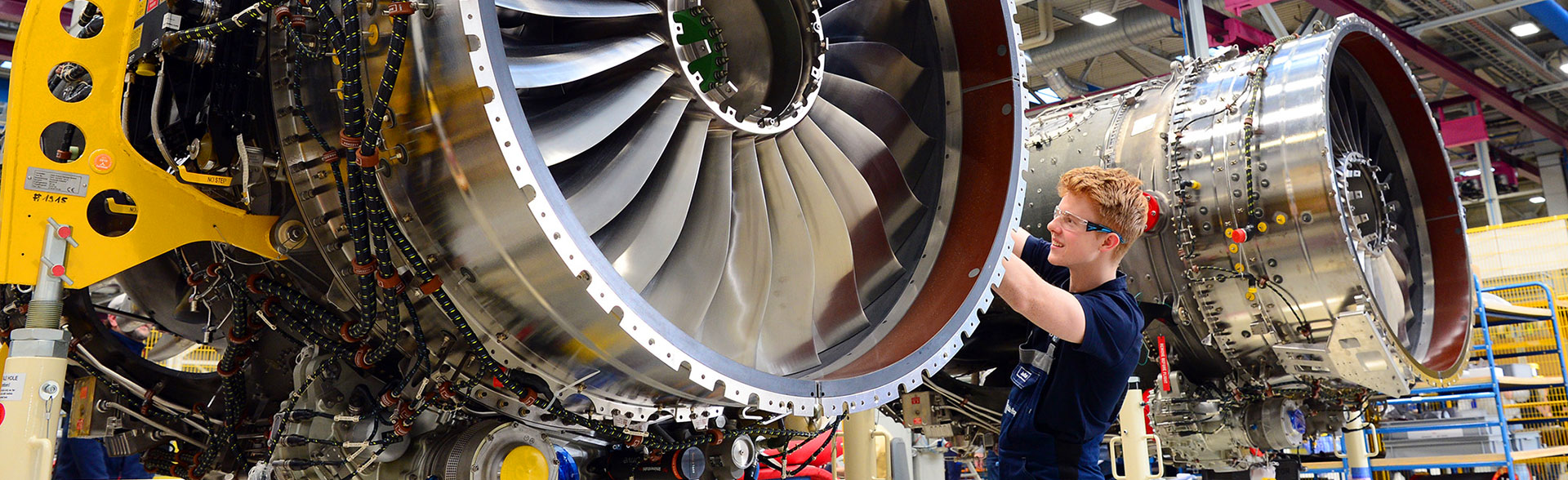
The “NASM25027 Self-locking nut, 250°F, 450°F and 800°F” standard, published under the National Aeronautics and Space Standards, covers self-locking nuts for use at temperatures of 250°F, 450°F, and 800°F.
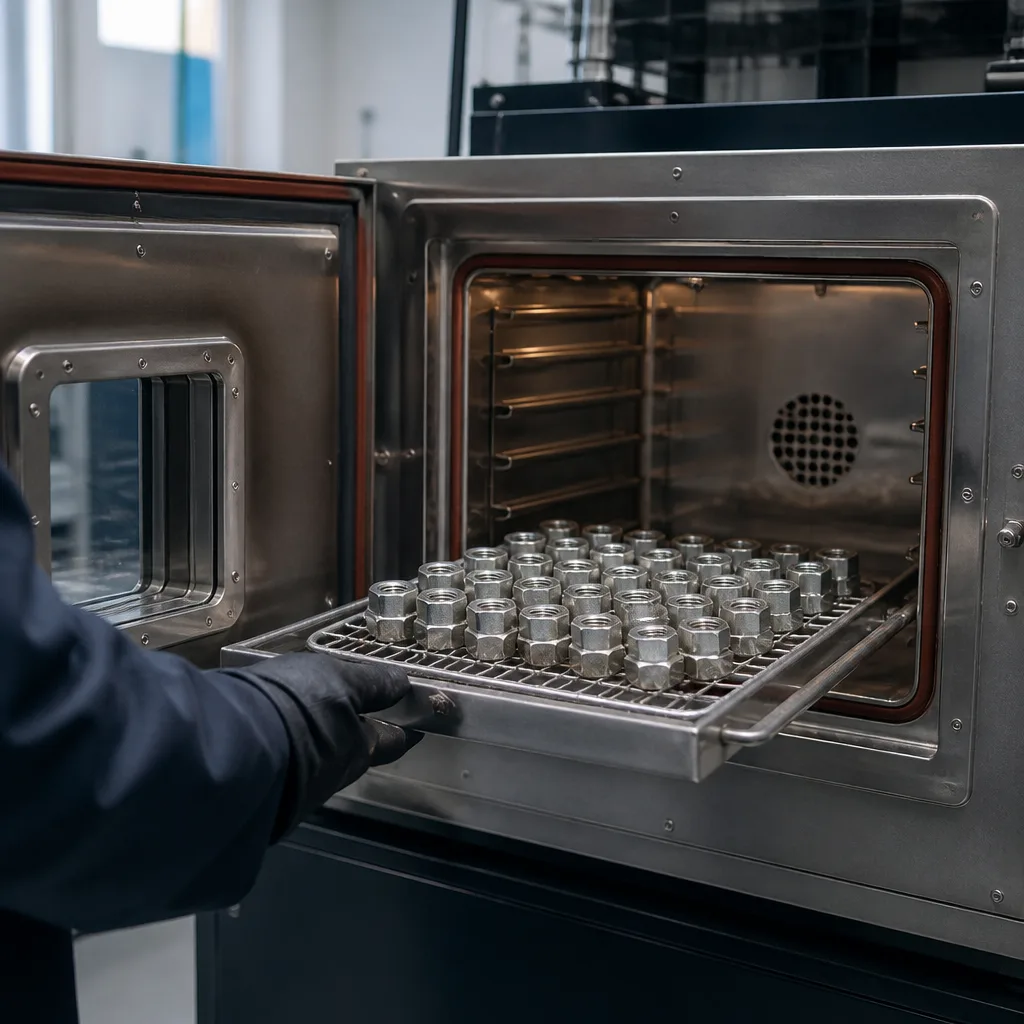
Nuts conforming to this standard are designed for use in applications where the temperature does not exceed the following values:
Temperature limits below the listed values may be due to coatings, lubricants, or non-metallic interlocking elements. Some material and lubricant combinations have limitations in reusability (less than 15 cycles).
The NASM25027 standard, applicable to self-locking nuts in aviation and high-temperature applications, defines requirements for self-locking nuts designed for use at temperatures up to 250°F, 450°F, and 800°F (depending on material and type). This standard replaced the earlier military specification MIL-DTL-25027.
This standard focuses primarily on the locking performance of nuts, ensuring they maintain reliable preload and resist loosening due to vibration in demanding aerospace, defense, and industrial environments. It covers a variety of self-locking mechanisms, including common torque types such as deformed threads, nylon inserts, or other features.
The basic scope and requirements have been defined as follows:
This standard includes detailed tables for torque values according to tooth size, qualification procedures, and quality conformity checks.
Nuts conforming to the NASM25027 standard are commonly used in the following areas:
Some manufacturers produce self-tightening self-locking nuts that meet the locking torque requirements of this specification, even if other aspects (such as full tensile/tightening tests) are not directly applied to the compression designs. These nuts typically contain dry film lubricants (e.g., molybdenum disulfide) to ensure the required torque performance and reusability.
This standard is often referenced alongside the NASM45938 standard for specific self-tightening nut part numbers. It is also compatible with various other standards, such as MIL fastener specifications.
In aerospace and critical applications, fasteners must be resistant to loosening under extreme conditions. The NASM25027 standard helps engineers ensure consistency in safety, ease of maintenance (through reusability), and performance among suppliers by providing a standardized, testable measure for self-locking reliability.
In short, the NASM25027 standard defines the requirements for self-locking, hexagonal standard nuts designed for aerospace and other high-performance mechanical applications where vibration resistance, reliability, and lightweight construction are critical. These nuts are typically manufactured from corrosion-resistant or heat-resistant materials and feature an integrated locking mechanism to prevent loosening under dynamic loads, vibration, and thermal cycling.
The NASM25027 standard covers the following:
This standard helps ensure interchangeability between manufacturers and compatibility with aviation fastener systems. Its main features are as follows:
This is especially important in aircraft, spacecraft, helicopters, and defense systems where loose fasteners can pose serious safety hazards.
The NASM25027 standard generally requires verification of the following:
Tests ensure the nut performs reliably under harsh aviation conditions.
NASM25027 nuts are commonly used in the following areas:
The NASM25027 standard is important because aviation fasteners cannot rely on general commercial hardware. This standard ensures the following:
Without NASM25027 and similar standards, manufacturers may face inconsistent fastener performance, assembly problems, and an increased risk of failure.
In conclusion, the NASM25027 standard is a critical aerospace fastener standard regulating self-locking hexagonal nuts used in demanding mechanical systems. By defining size, material, and performance requirements, it supports safety, interchangeability, and long-term reliability in aerospace and defense applications.
For many years, our organization, with its competent and experienced team, has been understanding the needs of its clients, providing the advanced testing services they require, and assisting them in the establishment, implementation, and improvement of management systems. Within this framework, we also provide testing services compliant with the NASM25027 standard.
To get an appointment, to get more detailed information or to request an evaluation, you can ask us to fill in our form and reach you.

