
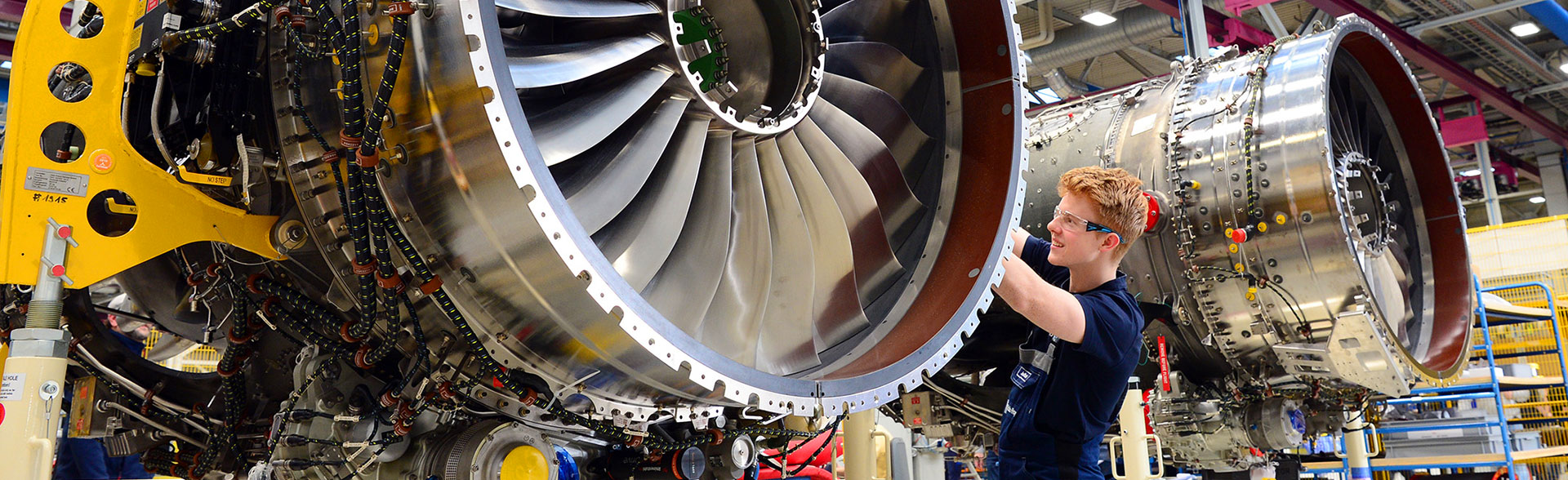
SAFRAN, a French multinational aerospace, defense, and security company headquartered in Paris, designs, develops, and manufactures commercial and military aircraft engines, launch vehicles, spacecraft, and missile propulsion systems, as well as various aerospace and military equipment and devices. It also develops standards in this field. Some of these standards include:
The purpose of this standard is to ensure consistency and reliability across inspections. It specifies the techniques, equipment settings, and acceptance criteria necessary to identify defects that could compromise the safety and performance of aircraft components.
This standard defines the process for conducting nital abrasion inspections, a method that reveals surface and near-surface discontinuities such as cracks, laps, and other defects in ferromagnetic materials.
The key elements of this standard are:
Compliance with this standard is crucial for detecting potential failures before they jeopardize aircraft safety. By providing a standardized inspection method, it helps maintenance personnel identify and address material defects early, thereby improving the reliability and safety of aviation components.
The key elements of this standard are:
Compliance with this standard ensures that aerospace components meet stringent quality and safety standards, maintaining their performance and service life.
This standard provides standardized guidelines for performing ferroxyl and copper sulfate tests, ensuring consistency and reliability across applications. It specifies the techniques, equipment settings, and acceptance criteria necessary to effectively identify and evaluate surface discontinuities.
This standard provides standardized guidelines for conducting fluorescent penetrant inspections, ensuring consistency and reliability across applications. It specifies sensitivity levels, application methods, inspection techniques, and acceptance criteria for evaluating indications. This specification is particularly critical for inspecting aerospace components, such as landing gear components, where structural integrity is paramount.
This standard provides detailed guidelines for performing magnetic particle inspection, ensuring consistency and reliability between inspections. It specifies the techniques, equipment settings, and acceptance criteria necessary to identify defects that could compromise the structural integrity of aerospace components.
This standard is an integral part of Safran's maintenance and overhaul procedures, particularly for components such as landing gear components. For example, service bulletins and maintenance documentation reference this standard when specifying inspection steps. Such inspections are critical during overhauls of components such as universal joints and slide tubes, ensuring that potential defects are identified and corrected before the parts are returned to service.
This standard provides standardized guidelines for conducting Barkhausen noise inspections, ensuring consistency and reliability across inspections. It specifies the techniques, equipment settings, and acceptance criteria necessary to identify defects that could compromise the structural integrity of aerospace components.
This standard provides standardized guidelines for performing rotary flap peening, ensuring consistency and reliability across applications. It specifies the techniques, equipment settings, and acceptance criteria necessary to achieve the desired surface properties.
Flapper peening is a form of shot peening in which a rotating flapper tool strikes the surface of a component with high-velocity abrasive particles. This process creates compressive residual stresses in the surface, helping to:
Flapper peening is particularly effective for components with complex geometries or components that are difficult to machine with traditional shot peening methods.
This standard provides standardized guidelines for performing chemical conversion coatings on aluminum alloys, ensuring consistency and reliability across applications. It specifies the techniques, equipment settings, and acceptance criteria necessary to achieve the desired coating properties.
This standard provides standardized guidelines for performing local brush cadmium plating, ensuring consistency and reliability across applications. It specifies the techniques, equipment settings, and acceptance criteria necessary to achieve the desired plating properties.
This standard provides standardized guidelines for performing low-hydrogen embrittlement brush cadmium coatings, ensuring consistency and reliability across applications. It specifies the techniques, equipment settings, and acceptance criteria necessary to achieve the desired coating properties while minimizing the risk of hydrogen embrittlement, which can compromise the structural integrity of high-strength steel parts.
This standard provides standardized guidelines for applying IPCOTE 9183-R1, ensuring consistency and reliability across applications. It specifies the techniques, equipment settings, and acceptance criteria necessary to achieve the desired coating properties.
Ipcote 9183-R1 is a high-temperature, sacrificial aluminum coating. It is designed to provide corrosion and oxidation protection for metallic substrates such as iron, steel, heat-treated stainless steel alloys, and titanium in extreme environments such as aircraft engines, gas turbines, power generation, and marine applications. The coating can withstand temperatures up to 700°C (1400°F) and is commonly applied to components such as turbine blades, rotors, shafts, and landing gear to protect against salt-laden atmospheres, high-temperature oxidation, chemicals, and corrosives.
This standard provides standardized guidelines for applying a polyurethane topcoat to components made of materials such as aluminum. The specification details the application process, including surface preparation, coating techniques, and curing procedures to achieve a smooth, durable finish.
This standard provides standardized guidelines for applying a polyurethane topcoat, ensuring consistency and reliability across applications. It specifies the techniques, equipment settings, and acceptance criteria necessary to achieve the desired coating properties.
This standard provides standardized guidelines for topcoat application, ensuring consistency and reliability across applications. It specifies the techniques, equipment settings, and acceptance criteria required to achieve the desired coating properties.
Our organization, which has been supporting businesses across all sectors for years through a wide range of testing, measurement, analysis, and evaluation activities, has a strong team of employees who closely follow global developments in science and technology and are constantly improving themselves. In this context, we also provide SAFRAN PCS testing and inspection services to businesses.
To get an appointment, to get more detailed information or to request an evaluation, you can ask us to fill in our form and reach you.