
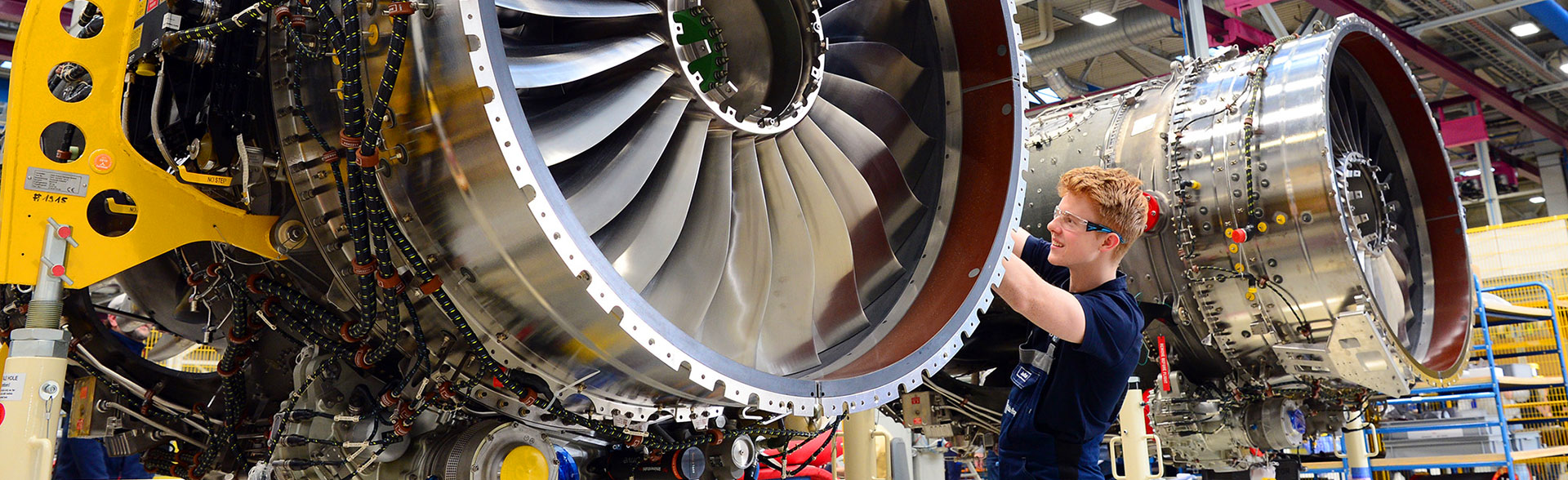
The standard "ASTM F485 Standard Practice for Effects of Cleaners on Unpainted Aircraft Surfaces," published by the American Society for Testing and Materials (ASTM), describes a procedure for determining the effect of cleaners on unpainted aircraft surfaces. This procedure is used by visual inspection to identify scratches or permanent stains that require polishing. This standard is used to ensure that candidate aircraft surface cleaners do not leave a residue that, when dried, would leave a permanent stain and require polishing to remove.
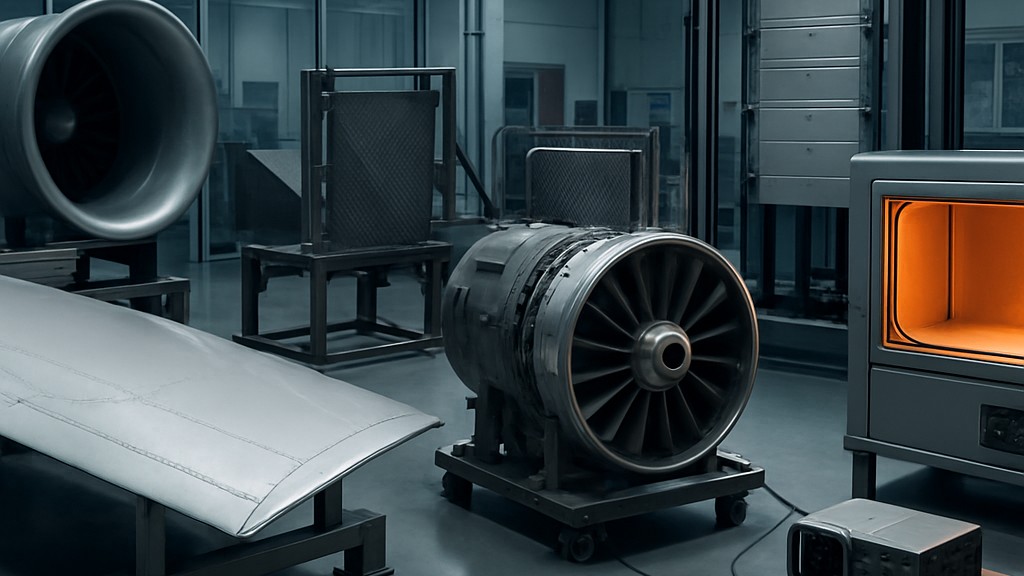
ASTM's aerospace material standards are primarily instrumental in evaluating materials, components, and devices used in the aerospace and aircraft industries. Aerospace material standards allow various companies worldwide to test these materials to evaluate their thermal, optical, mechanical, chemical, and electrical properties. These materials can be in solid, liquid, or gas phases. Components and devices are also tested to determine their performance and safe operation. Aerospace material standards also address the design and safe operation of various engines used in unmanned aircraft systems and aircraft. These standards also help define procedures for visual range flight operations, airworthiness, maintenance manuals, and aviation regulations for unmanned aircraft systems.
The effects of cleaners on unpainted aircraft surfaces can be significant and can affect both the structural integrity and appearance of the aircraft. Unpainted surfaces (usually aluminum or aluminum alloys) require special care during cleaning to prevent corrosion, pitting, or other types of damage.
Unpainted aircraft surface types are generally as follows:
Unpainted surfaces are preferred on military and some commercial aircraft for weight savings or ease of inspection.
The effects of some cleaning materials on unpainted surfaces are as follows:
Possible surface deterioration risks of unpainted surfaces are:
Cleaners are essential for maintaining unpainted aircraft surfaces, but misuse can lead to corrosion, structural deterioration, and costly repairs. Therefore, adhering to industry standards, selecting the right cleaner for the material, and implementing proper cleaning protocols are critical to maintaining aircraft airworthiness and longevity.
Aircraft maintenance requires regular cleaning to ensure both performance and safety. While painted surfaces are often protected by coatings, unpainted aircraft surfaces, such as bare aluminum or composite materials, are more vulnerable to damage from chemical cleaners. Understanding how different cleaners affect these surfaces is important to maintain structural integrity and prevent corrosion.
Unpainted aircraft surfaces, especially on military and commercial aircraft, are often left exposed for the following reasons:
These surfaces accumulate contaminants such as hydraulic fluid, fuel residue, insect residue, salt, and atmospheric pollutants. While cleaning is necessary, improper chemical use can lead to deterioration.
Common types of cleaners used on airplanes include:
The possible effects on unpainted surfaces can be summarized as follows:
Ultimately, while cleaning is critical for unpainted aircraft surfaces, care must be taken to prevent chemical damage. Selecting the right cleaner and applying it correctly helps preserve the aircraft's structural integrity, appearance, and airworthiness. Maintenance personnel should always follow industry standards and original equipment manufacturer recommendations to ensure safe and effective cleaning practices.
Our organization, which has been supporting businesses across all sectors for years through a wide range of testing, measurement, analysis, and evaluation activities, boasts a strong team of employees who closely follow global developments in science and technology and are constantly improving themselves. In this context, we also provide testing services in accordance with ASTM F485 Standard Application for the Effects of Cleaners on Unpainted Aircraft Surfaces.
To get an appointment, to get more detailed information or to request an evaluation, you can ask us to fill in our form and reach you.

