
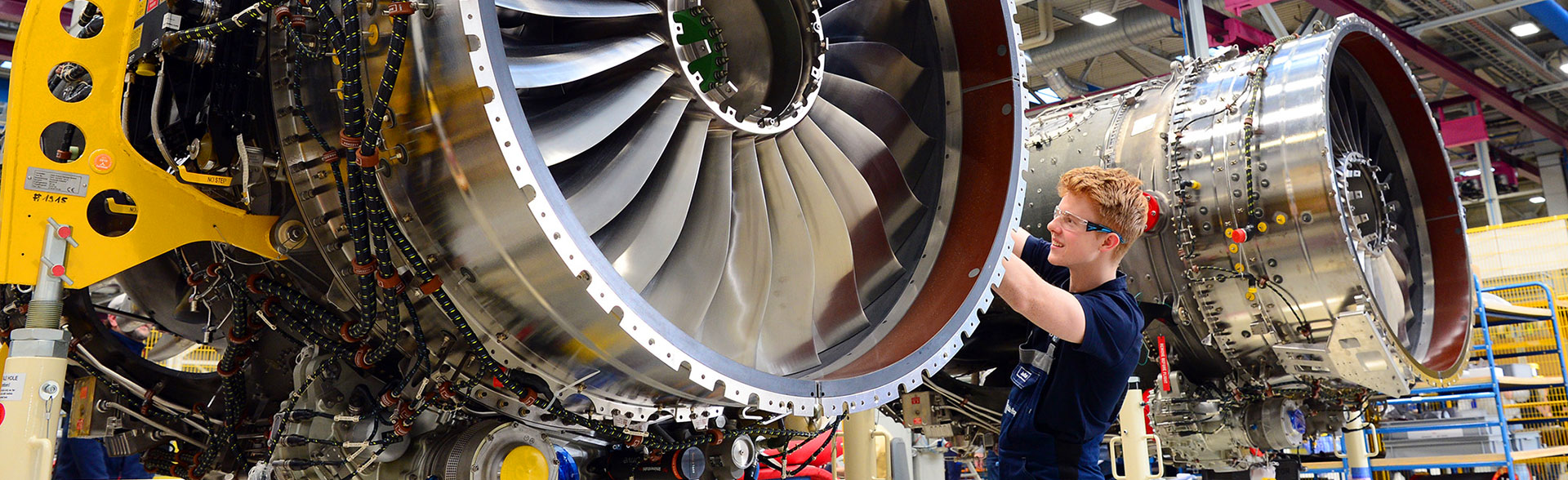
CS/FAR 25.853 is a key aviation safety regulation governing the fire resistance of materials used in the interiors of large transport aircraft (commercial jets and the like). In the United States, this regulation is published under the Federal Regulations Act (CFR) as “14 CFR 25.853 Cabin Interiors,” while in Europe, the European Aviation Safety Agency (EASA) uses CS 25.853 in its certification specifications for large aircraft. These two regulations are essentially identical in terms of technical content and test methods, forming a consistent global standard reflected in international regulations.
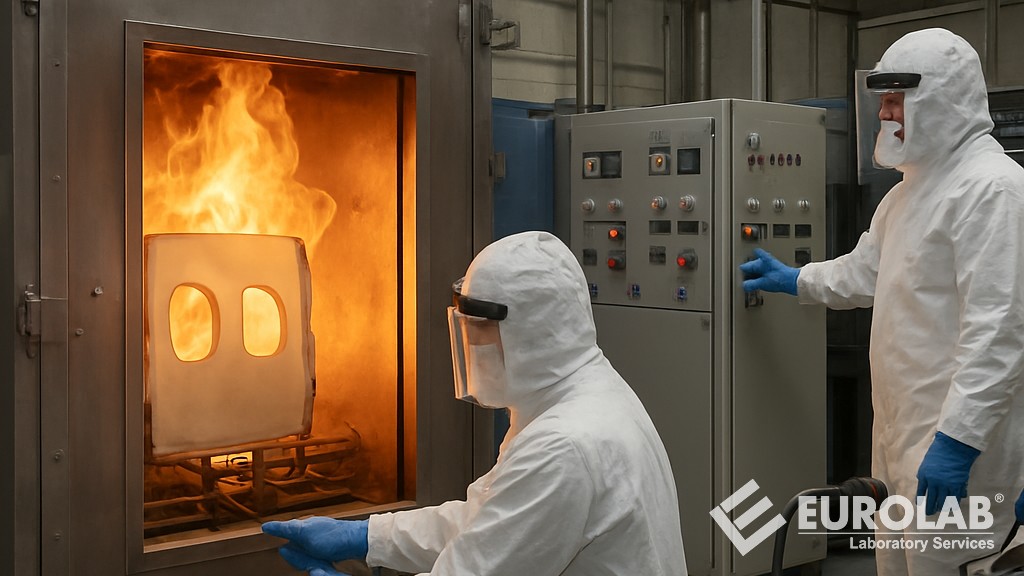
The primary purpose of this regulation is to increase the chances of survival for passengers and crew in the event of a fire on board an aircraft by ensuring that cabin materials are not easily flammable, do not spread flames rapidly, do not produce excessive smoke, or significantly contribute to the growth of a fire. This is crucial because aircraft cabins contain many potential sources of fuel (fabrics, foams, plastics, composites), and rapid fire spread in a confined space can be catastrophic.
CS/FAR 25.853 applies to materials (including coatings, paints and decorative surfaces) in compartments occupied by crew or passengers. The essential provisions are as follows:
Other paragraphs cover specific items such as waste containers (which must be fire-resistant and sealed) and cargo compartment liners for certain classes.
Small parts (such as buttons, clips, fasteners) are generally exempt if they do not significantly contribute to a fire.
The tests have been standardized to ensure repeatability. The basic fire tests described in Appendix F are as follows:
These tests have evolved over decades with major updates after full-scale fire studies showed foam cushions to pose a significant hazard.
Common areas of application for this regulation are as follows:
This standard has significantly improved aircraft fire safety since its development in the 1980s and 1990s, giving passengers more time to evacuate in crashes where survival is possible.
Aircraft cabins utilize a large amount of lightweight, flammable materials (e.g., polyurethane foam in seats, plastics, fabrics, insulation, and composites in panels). These provide comfort and low weight, but when ignited, they generate a significant fuel load. Without strict flammability controls:
CS/FAR 25.853 mandates the use of materials that are flame-resistant, limit flame spread, reduce heat release rates, minimize smoke production, and rapidly self-extinguish. This provides critical time for the evacuation of passengers and crew or for firefighting efforts.
For many years, our organization, with its competent and experienced team, has been understanding the needs of its clients, providing the advanced testing services they require, and assisting them in the establishment, implementation, and improvement of management systems. Within this framework, we also provide testing services compliant with CS/FAR 25.853 regulations.
To get an appointment, to get more detailed information or to request an evaluation, you can ask us to fill in our form and reach you.

